

As pet owners, we often wonder whether the foods we enjoy are safe for our furry companions. Dogs, being naturally curious, might show interest in anything we put on our plates. One common question that arises is: can dogs have balsamic vinegar?
At first glance, balsamic vinegar seems harmless—it’s just a liquid seasoning made from grapes and aged to develop its tangy flavor. However, when it comes to dogs, what’s safe for humans may not always be safe for them. In this article, we will break down everything you need to know about dogs consuming balsamic vinegar, potential risks, health concerns, and safe alternatives you can consider.
What Is Balsamic Vinegar?
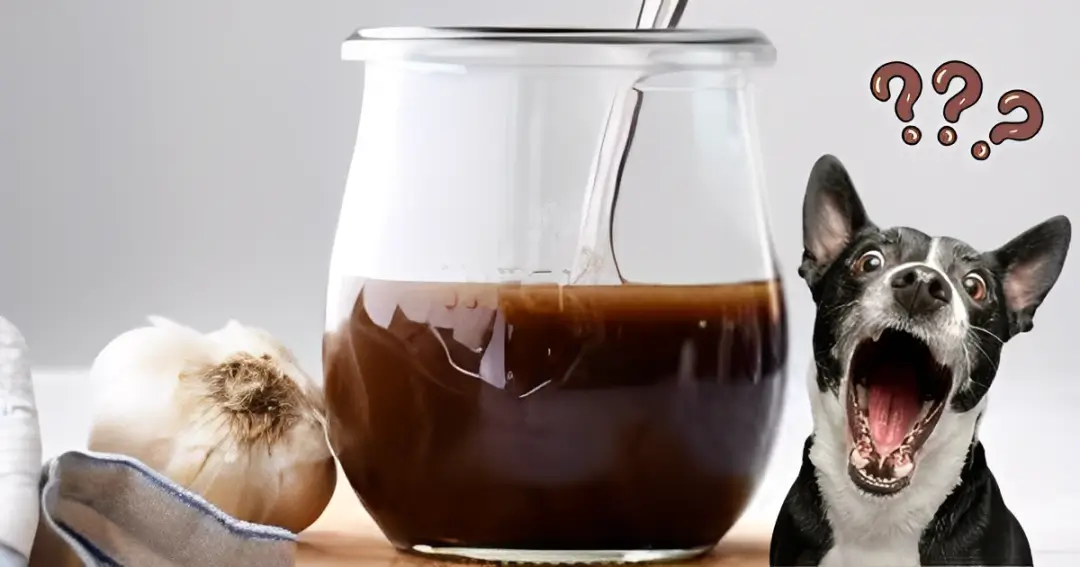
Balsamic vinegar is a dark, concentrated vinegar made from grape must (freshly crushed grapes including skins, seeds, and stems). It undergoes an aging process that gives it a rich, tangy, and slightly sweet flavor. It’s widely used in salad dressings, marinades, glazes, and even drizzled over fruits or cheeses.
For humans, balsamic vinegar is often praised for containing antioxidants, aiding digestion, and adding flavor without extra calories. But for dogs, their digestive systems function differently, and acidic foods can cause problems rather than benefits.
Can Dogs Have Balsamic Vinegar Safely?
The short answer is no, dogs should not have balsamic vinegar. While a small accidental lick may not immediately harm them, regular or intentional consumption can lead to discomfort and health issues.
The main reason is the acidity. Balsamic vinegar is highly acidic, which can irritate a dog’s stomach lining, cause nausea, or trigger vomiting and diarrhea. Some dogs may also experience allergic reactions or heightened sensitivity due to their unique digestive systems.
Additionally, balsamic vinegar sometimes contains added sugars or flavorings, which further increase the risks for dogs, particularly with conditions like obesity, diabetes, or dental problems.
Why Balsamic Vinegar Is Harmful to Dogs
There are several reasons why balsamic vinegar is not recommended for dogs:
1. Acidity and Digestive Upset
Dogs do not handle acidic foods well. Balsamic vinegar can cause stomach irritation, leading to symptoms like drooling, gagging, vomiting, or diarrhea.
2. Grape-Based Ingredient
Since balsamic vinegar is made from grapes, it carries an inherent risk. Grapes are toxic to dogs and can cause kidney damage, even in small amounts for some breeds. Although the vinegar is processed and fermented, it still stems from a grape base, which adds to the concern.
3. Potential Additives
Not all balsamic vinegars are pure. Some contain added sugars, preservatives, or flavorings. These ingredients are unnecessary and unsafe for dogs, especially since sugar can contribute to weight gain and metabolic disorders.
4. Long-Term Health Risks
Even if a dog doesn’t show immediate symptoms after consuming balsamic vinegar, repeated exposure can cause chronic digestive discomfort, decreased appetite, or kidney-related issues over time.
What Happens If a Dog Accidentally Licks Balsamic Vinegar?
If your dog accidentally licks a small amount of balsamic vinegar—say from the floor or a dropped piece of salad—it’s usually not a cause for panic. Most likely, the dog will dislike the sharp, tangy taste and avoid it naturally.
However, you should watch closely for signs of discomfort such as:
- Drooling excessively
- Vomiting
- Refusing food
- Diarrhea
- Signs of stomach pain (whining, restlessness, hunched posture)
If your dog shows any of these symptoms, it’s best to consult your veterinarian immediately.
Safer Alternatives to Balsamic Vinegar for Dogs
If you’re tempted to add extra flavor to your dog’s food or treats, avoid balsamic vinegar and instead opt for safe alternatives. Some dog-friendly options include:
- Plain pumpkin puree – adds fiber and flavor.
- Unsalted chicken broth – enhances taste without harmful ingredients.
- Small amounts of olive oil – healthy fats that support skin and coat health.
- Carrot or beet puree – natural sweetness and nutrients.
These alternatives provide flavor and nutrition without the risks of balsamic vinegar.
Why Some Pet Owners Consider It
Some pet owners mistakenly think balsamic vinegar might be a healthy addition to a dog’s diet because of its benefits for humans. While it’s true that balsamic vinegar can lower blood sugar or promote digestion in humans, dogs have different nutritional needs. What benefits us can often harm them.
A dog’s diet should primarily consist of protein, healthy fats, and essential vitamins and minerals. Adding acidic or grape-based products like balsamic vinegar does not align with their dietary requirements.
Best Practices for Preventing Accidental Ingestion
Since balsamic vinegar is common in many kitchens, it’s important to store it safely and prevent accidental spills. Here are a few best practices:
- Always keep bottles of balsamic vinegar sealed and out of your dog’s reach.
- Clean up spills immediately before your dog has a chance to lick them.
- Avoid feeding dogs from plates that contain vinegar-based dressings or marinades.
- Educate family members and guests about what foods are safe and unsafe for your pet.
Prevention is always better than treating a sick dog after accidental exposure.
The Role of Diet in a Dog’s Health
Feeding your dog a safe and nutritious diet is the foundation of their overall well-being. Dogs thrive on balanced meals designed for their species, not human condiments or seasonings. While it may be tempting to share food with your furry friend, sticking to pet-safe ingredients ensures a longer, healthier life.
When considering treats or extras, always research beforehand or consult a veterinarian. This ensures your dog receives the benefits of added nutrition without risking exposure to harmful ingredients like balsamic vinegar.
FAQs About Dogs and Balsamic Vinegar
Q1. Can dogs eat foods cooked with balsamic vinegar?
No. Even if balsamic vinegar is cooked or mixed into food, it still poses risks for dogs. It’s best to avoid giving them any foods prepared with vinegar.
Q2. Is white vinegar safer for dogs than balsamic vinegar?
White vinegar is less risky in small accidental amounts, but it’s still acidic and not recommended for regular consumption. It can upset a dog’s stomach.
Q3. What should I do if my dog drank balsamic vinegar?
Contact your veterinarian immediately. Provide details about how much your dog consumed, their size, and any symptoms they are showing.
Q4. Are there any health benefits for dogs from vinegar?
Some holistic practices suggest very diluted apple cider vinegar in small doses for dogs, but this should only be done under veterinary guidance. Balsamic vinegar, however, offers no real benefits.
Q5. Why are grapes toxic to dogs, and does that apply to balsamic vinegar?
Grapes contain compounds that can damage canine kidneys. Since balsamic vinegar is grape-based, the risk of toxicity cannot be ruled out, making it unsafe.
Q6. What flavors can I add to my dog’s food instead?
Safe options include plain pumpkin puree, unsalted chicken broth, or small amounts of olive oil. These add flavor without harmful effects.
Q7. Can dogs develop long-term health issues from balsamic vinegar?
Yes, repeated exposure can lead to chronic stomach problems, decreased appetite, or kidney-related issues due to its grape origin and acidity.
Final Thoughts
So, can dogs have balsamic vinegar? The clear answer is no. While a small accidental lick may not cause immediate harm, balsamic vinegar is not safe for dogs due to its acidity, grape base, and potential additives. Over time, it can lead to digestive upset, toxicity risks, and other health issues.
As responsible pet owners, we should always prioritize foods and flavors designed for canine health rather than experimenting with human condiments. By avoiding balsamic vinegar and offering safe alternatives, you can keep your furry friend happy, healthy, and thriving.
For More Visits: AnimalsInfo
Also Read: Can Dogs Have Muenster Cheese? Healthy Facts 2025