

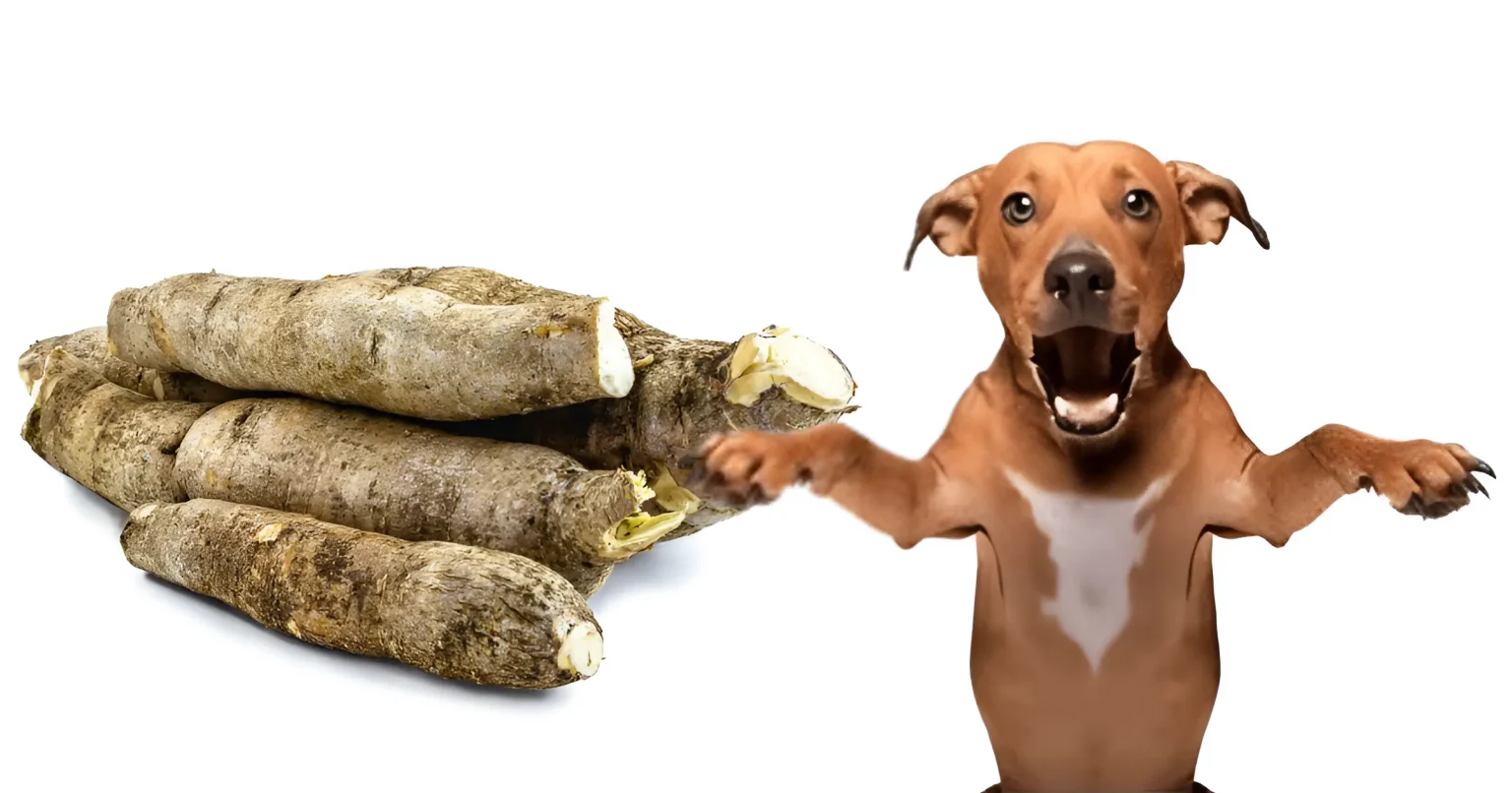
Cassava, also known as yuca or manioc, is a starchy root vegetable widely consumed in tropical and subtropical regions. It is known for its versatility in cooking, often boiled, fried, or made into flour for bread and pastries. While cassava is safe and nutritious for humans when properly prepared, many dog owners ask: Can dogs eat cassava? The short answer is dogs can eat cassava, but only in very specific forms and with proper preparation. Feeding raw or improperly prepared cassava can be harmful or even toxic for dogs.
In this guide, we will explore the nutritional profile of cassava, the potential risks and benefits for dogs, proper preparation methods, portion guidelines, and safe alternatives. Understanding these factors ensures that dog owners can offer this root vegetable safely while avoiding health complications.
What Is Cassava?
Cassava is a root vegetable native to South America and Africa. It is a staple food in many countries because it provides energy-dense carbohydrates. Cassava comes in two main types:
- Sweet cassava – Lower in cyanogenic compounds and generally safer after cooking.
- Bitter cassava – Higher in naturally occurring cyanide, requiring careful preparation to remove toxins.
The root is high in carbohydrates, fiber, and some essential minerals such as potassium and magnesium. However, cassava is low in protein and fat, which are critical for a dog’s diet. While humans can enjoy cassava safely, dogs require careful handling to prevent toxicity.
Why Dogs Need Caution With Cassava
Cassava contains compounds called cyanogenic glycosides. When raw or improperly prepared, these compounds can convert to cyanide in the body, which is highly toxic. Dogs are particularly sensitive to cyanide because their smaller size and different metabolism make them more vulnerable to poisoning than humans.
1. Raw Cassava
Feeding raw cassava to dogs is extremely dangerous. Symptoms of cyanide poisoning can appear quickly and may include:
- Vomiting
- Drooling
- Difficulty breathing
- Tremors or seizures
- Weakness or lethargy
- Collapse in severe cases
Even small amounts of raw cassava may be enough to cause severe health complications.
2. Improperly Cooked Cassava
Boiling, baking, or steaming cassava can remove most cyanide content, but it is critical to cut the root into small pieces and cook it thoroughly. Improper cooking increases the risk of cyanide poisoning or digestive upset.
Nutritional Benefits of Properly Cooked Cassava for Dogs
When prepared safely, cassava can provide certain nutritional benefits for dogs:
- High energy source: Its carbohydrates provide quick energy, making it useful for active or working dogs.
- Digestive support: Cassava contains fiber, which may aid in digestion when fed in moderation.
- Minerals: Properly prepared cassava offers potassium, magnesium, and some vitamins beneficial for overall health.
However, cassava should only be an occasional supplement, not a primary food source. Dogs require a balanced diet rich in protein, fat, and other essential nutrients, which cassava alone cannot provide.
How to Safely Prepare Cassava for Dogs
If you decide to offer cassava as an occasional treat, proper preparation is essential:
- Choose sweet cassava: Avoid bitter varieties due to their high cyanide content.
- Peel the root: Remove the tough outer skin, which contains higher levels of toxins.
- Cut into small pieces: Helps ensure even cooking and reduces choking hazards.
- Cook thoroughly: Boil, bake, or steam until soft. Never feed raw cassava.
- Avoid additives: Do not add salt, spices, or oils. Dogs are sensitive to these ingredients.
- Cool before serving: Hot cassava can burn the mouth or digestive tract.
Following these steps reduces the risk of cyanide poisoning and digestive upset.
How Much Cassava Can Dogs Eat?
Portion control is critical. Cassava should be considered a treat or side dish, not a main meal. Some guidelines:
- Small dogs: 1–2 small pieces once or twice a week
- Medium dogs: 2–4 pieces, occasional treats
- Large dogs: Up to 5 pieces, limited frequency
Always monitor your dog after introducing cassava to check for any signs of digestive upset, such as vomiting, diarrhea, or bloating.
Risks of Overfeeding Cassava
Even properly cooked cassava can cause problems if overfed:
- Digestive upset: Too much fiber may cause diarrhea or bloating.
- Weight gain: High carbohydrate content can lead to obesity if fed in excess.
- Nutrient imbalance: Cassava is low in protein and fat, so overfeeding may reduce the intake of essential nutrients.
Moderation is key to keeping cassava a safe and healthy occasional treat.
Signs Your Dog May Have Reacted Poorly to Cassava
After feeding cassava, watch for symptoms such as:
- Vomiting or diarrhea
- Lethargy or weakness
- Coughing or choking if pieces were too large
- Signs of abdominal pain, such as whining or pacing
- Rapid breathing or difficulty breathing (in severe cases)
If any of these symptoms appear, contact a veterinarian immediately.
Safe Alternatives to Cassava for Dogs
If you’re hesitant about feeding cassava or want safer options, consider these dog-friendly vegetables and starchy foods:
- Sweet potatoes: High in fiber, vitamins, and easily digestible.
- Pumpkin: Great for digestion and low in calories.
- Carrots: Crunchy, low-calorie, and safe raw or cooked.
- Green beans: Rich in fiber and vitamins, suitable as a snack.
- Peas: Nutrient-rich and safe in moderation.
These alternatives provide energy and nutrients without the risk of cyanide poisoning.
Frequently Asked Questions (FAQs)
1. Can dogs eat raw cassava?
No. Raw cassava contains cyanogenic compounds that can convert to cyanide and be fatal.
2. Can puppies eat cassava?
Puppies have sensitive digestive systems and should not be fed cassava until fully grown, and even then only properly cooked.
3. Can dogs eat cassava leaves?
Cassava leaves contain toxins similar to the root. They should not be fed to dogs unless properly cooked and processed.
4. How often can dogs eat cassava?
Occasionally, once or twice a week in small, cooked portions is safe for most dogs.
5. Is cassava good for dogs with sensitive stomachs?
Dogs with sensitive stomachs may not tolerate cassava well. Introduce small amounts slowly and monitor for digestive issues.
6. Can cassava cause allergic reactions in dogs?
Allergic reactions are rare but possible. Watch for itching, redness, or swelling after feeding.
Conclusion
Cassava can be a safe occasional treat for dogs only when properly prepared. Raw cassava and bitter varieties are toxic due to cyanogenic compounds. Even cooked cassava should be served in moderation, peeled, and free from additives. Overfeeding or improper preparation can lead to vomiting, diarrhea, cyanide poisoning, or digestive upset.
Dog owners seeking safe and nutritious treats should consider alternatives such as sweet potatoes, pumpkin, carrots, and green beans. These options provide vitamins, fiber, and energy without the risks associated with cassava.
When introducing any new food, including properly cooked cassava, monitor your dog for adverse reactions. Consult your veterinarian if you have any doubts about incorporating cassava into your dog’s diet. By following these guidelines, dogs can safely enjoy the occasional taste of this starchy root while avoiding health risks.
For More Visits: Animalsinfo
Also Read: Can Dogs Eat Pimento Cheese – Top 2025 Dog Nutrition Rules