

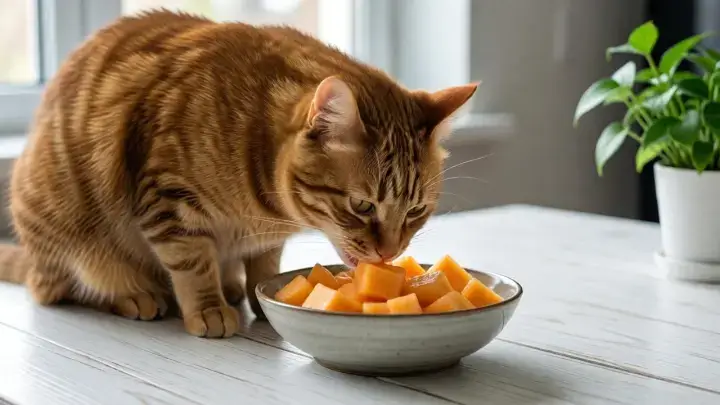
Cats are known for being curious about food, especially when their owners are enjoying a snack nearby. If you have ever sliced a melon at home, you might have noticed your cat approaching to sniff or even try a small bite. This moment often raises an important question for pet owners: can cats eat melon safely?
Melons are sweet, refreshing fruits enjoyed by people around the world. They are full of water and contain vitamins that support human health. However, cats have very different nutritional needs compared to humans. Before sharing any fruit with a feline companion, it is important to understand whether it is safe and how it may affect their digestion.
The short answer is that cats can eat small amounts of melon, but it should only be an occasional treat. Melon is not toxic to cats, but it also does not provide the essential nutrients they require for daily health. Knowing how to serve it safely and understanding its potential effects will help ensure your cat remains healthy and comfortable.
This guide explains everything cat owners should know about feeding melon to cats, including benefits, risks, preparation tips, and common concerns.
Understanding a Cat’s Natural Diet
To determine whether melon is appropriate for cats, it is helpful to understand what cats naturally eat. Unlike humans, cats are obligate carnivores. This means their bodies are designed to obtain most of their nutrition from animal-based foods.
In the wild, cats hunt small animals such as rodents, birds, and insects. These prey provide the nutrients their bodies depend on, including protein, taurine, and healthy fats. These nutrients support muscle development, organ function, and energy levels.
Fruits and vegetables are not a natural part of a cat’s regular diet. While cats can digest small amounts of plant-based foods, their digestive system is not built to process large quantities of fruits or vegetables.
Because of this, any fruit given to a cat should only be considered a treat rather than a necessary part of their diet.
What Is Melon?
Melon is a broad term used to describe several sweet fruits that grow on vines. Popular varieties include watermelon, cantaloupe, and honeydew. These fruits are widely appreciated for their refreshing flavor and high water content.
Most melons contain natural sugars, vitamins, and minerals. They are also known for their hydrating qualities because they are made up largely of water.
For humans, melon can be a healthy snack. However, when it comes to cats, the benefits are limited because cats obtain their key nutrients from animal protein rather than fruit.
Still, melon is generally safe for cats when served correctly and in small amounts.
Is Melon Safe for Cats?
Yes, melon is considered safe for cats in moderation. The flesh of the fruit does not contain toxic compounds that would harm a cat when eaten in small pieces.
However, there are a few important precautions to consider. The rind, seeds, and large portions of the fruit should not be given to cats. These parts may cause digestive problems or present a choking hazard.
Additionally, melon contains natural sugar. While this sugar is harmless in tiny portions, frequent feeding may contribute to unnecessary calorie intake.
Cats do not need fruit to stay healthy, so melon should always remain an occasional treat rather than a daily snack.
Why Some Cats Like Melon
Many people are surprised to see their cat interested in melon because cats do not have strong taste receptors for sweetness. Despite this, some cats seem drawn to the smell of melon.
One possible reason is the fruit’s aroma. The scent of certain melons, especially cantaloupe, can resemble compounds found in animal proteins. This similarity may trigger curiosity in some cats.
Cats are also naturally investigative animals. When they see their owner eating something new, they often approach to inspect it. In many cases, the cat may only sniff the melon and walk away.
Every cat has its own preferences, so reactions to melon may vary widely.
Nutritional Content of Melon
Melons contain several nutrients that benefit human health. They include vitamins such as vitamin C and vitamin A, along with potassium and antioxidants.
They are also known for their high water content, which can help people stay hydrated during warm weather.
For cats, however, these nutrients do not play a significant role in their overall diet. Cats obtain most of their essential vitamins and minerals from meat-based foods and specially formulated cat food.
This means that while melon is not harmful, it does not provide the same nutritional advantages for cats as it does for humans.
Possible Benefits of Melon for Cats
Even though melon is not nutritionally necessary for cats, it can offer a few minor benefits when given in small portions.
One of the most noticeable benefits is hydration. Because melon contains a large amount of water, a tiny piece may help provide extra moisture. This can be helpful for cats that do not drink water frequently.
Melon is also soft and easy to chew when ripe. This makes it easier for cats to nibble compared to harder fruits.
Another small advantage is variety. Offering a safe, occasional treat can provide enrichment for curious cats who enjoy exploring new textures and scents.
Still, these benefits are modest, and melon should never replace balanced cat food.
Potential Risks of Feeding Melon to Cats
Although melon is generally safe, there are several risks to keep in mind before offering it to your cat.
One concern is the fruit’s sugar content. Even though the sugar is natural, cats do not require sugar in their diet. Eating too much sugary food can contribute to weight gain over time.
Another possible issue is digestive upset. Cats that are not used to fruit may experience stomach discomfort after eating melon. This can result in symptoms such as vomiting or loose stools.
The rind of the melon is another concern. It is tough and difficult to digest, which can lead to stomach irritation or choking.
Seeds should also be removed before serving. While small seeds may pass through the digestive system, they can still pose a choking risk.
Because of these potential issues, careful preparation is important.
How to Safely Serve Melon to Cats
If you decide to share melon with your cat, preparation plays an important role in keeping the treat safe.
First, remove the rind and seeds completely. Only the soft flesh of the fruit should be offered.
Next, cut the melon into very small pieces. Cats have small mouths, so tiny cubes are easier for them to chew and swallow.
The melon should be fresh and plain. Avoid offering melon that has been mixed with sugar, syrup, or other ingredients.
Start with a single small piece and observe how your cat reacts. If your cat shows no signs of digestive discomfort, you may occasionally offer another small piece in the future.
How Much Melon Can Cats Eat?
Moderation is essential when feeding melon to cats. A tiny portion is more than enough for a cat to taste.
A small cube of melon occasionally is generally considered safe. Larger portions should be avoided because they may upset the stomach or contribute unnecessary calories.
Treats of any kind should make up only a small percentage of a cat’s total diet. The majority of their nutrition should come from high-quality cat food that provides the proper balance of protein, fats, and essential nutrients.
When Cats Should Avoid Melon
Some cats should not eat melon at all, particularly those with certain health conditions.
Cats that struggle with obesity, diabetes, or digestive sensitivity may not tolerate sugary fruits well. For these animals, it is better to avoid melon entirely.
Kittens should also stick to their regular diet. Young cats require carefully balanced nutrition to support growth and development, and fruit is not necessary for them.
If your cat has any ongoing health issues, it is always wise to consult a veterinarian before introducing new foods.
Healthier Treat Alternatives for Cats
While melon is safe in small amounts, there are other treats that better match a cat’s natural dietary needs.
Protein-based snacks are usually the best option. Small pieces of cooked chicken or turkey can be both appealing and nutritious for cats.
Fish can also be offered occasionally, provided it is cooked and free from bones and seasoning.
Commercial cat treats designed specifically for feline nutrition are another safe option. These treats are formulated to support a cat’s dietary requirements while still offering flavor and enjoyment.
Choosing treats that align with a cat’s natural diet helps support long-term health.
Final Thoughts
So, can cats eat melon? Yes, cats can safely eat small pieces of melon as an occasional treat. The fruit is not toxic and may even provide a refreshing snack for curious cats.
However, melon should never become a regular part of a cat’s diet. Cats thrive on protein-rich foods, and fruit does not supply the nutrients they need for daily health.
If you decide to offer melon, make sure it is fresh, seedless, and cut into small pieces. Remove the rind and limit the portion to a tiny amount.
By keeping treats occasional and focusing on a balanced diet, you can ensure that your cat stays healthy while still enjoying the occasional taste of something new.
Frequently Asked Questions (FAQs)
Can cats eat watermelon or other types of melon?
Yes, cats can eat small pieces of watermelon, cantaloupe, or honeydew as long as the seeds and rind are removed.
Is melon toxic to cats?
No, melon is not toxic to cats. However, it should only be given in small amounts as an occasional treat.
Can kittens eat melon?
Kittens should not eat melon. Their diet should focus on specially formulated kitten food that supports growth and development.
Why does my cat like melon?
Some cats are attracted to the smell of melon, especially cantaloupe, which contains compounds that may resemble the scent of animal proteins.
Can melon cause stomach problems in cats?
Yes, if a cat eats too much melon it may experience digestive upset, including vomiting or diarrhea.
Should melon seeds or rind be given to cats?
No, seeds and rind should always be removed because they can be difficult to digest and may present a choking hazard.
How often can cats eat melon?
Melon should only be offered occasionally and in very small portions, not as a regular treat.
For More Visits: Animalsinfo
Also Read: Can Cats Eat Cereal? 7 Surprising Safe Facts (2026)