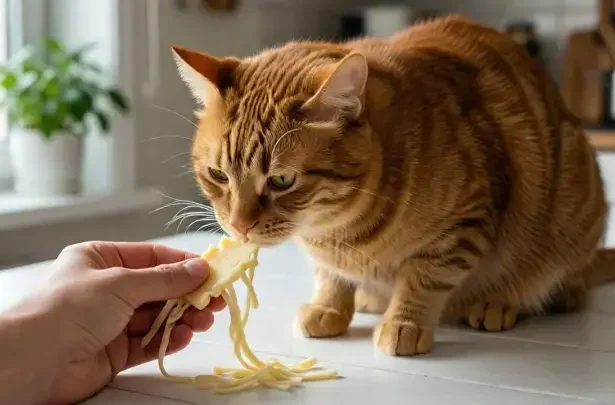


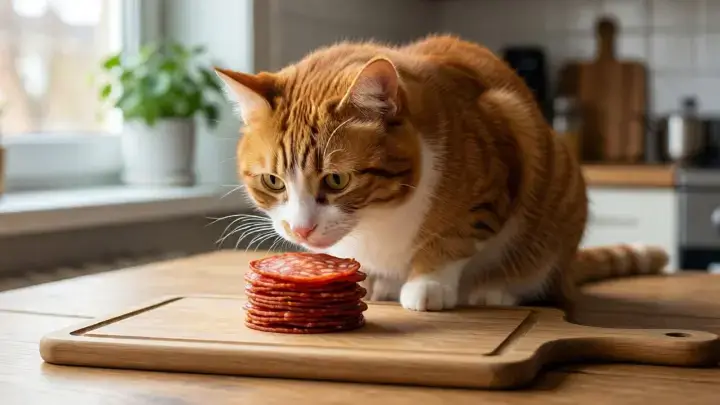
Cats are often curious about the foods their owners eat. If you have ever enjoyed a slice of pizza or a sandwich topped with pepperoni, you may have noticed your cat staring at the food with interest. Because pepperoni is made from meat, many people assume it might be a suitable treat for cats. This curiosity raises an important question: can cats eat pepperoni?
Although pepperoni contains meat, it is not necessarily a healthy option for cats. Processed foods designed for human consumption often include ingredients that do not fit well with a cat’s natural dietary needs. Cats require a balanced diet that focuses on high-quality animal protein without excessive salt, spices, or preservatives.
Understanding how pepperoni is made and how its ingredients affect a cat’s body can help pet owners make informed decisions about sharing food with their pets. While a tiny piece may not cause immediate harm, pepperoni is not a food that should become part of a cat’s regular diet.
Understanding a Cat’s Natural Diet
Cats are obligate carnivores, which means their bodies rely on nutrients that come primarily from animal-based foods. Protein from meat supports muscle growth, tissue repair, and energy production. In the wild, a cat’s diet would mainly consist of small prey animals such as birds, rodents, and insects.
These prey animals provide a natural balance of protein, fat, vitamins, and minerals. Cats do not require large amounts of carbohydrates, and their digestive systems are not designed to process highly seasoned or processed foods.
Commercial cat food is carefully formulated to match these natural dietary requirements. It contains the essential nutrients cats need in the right proportions.
Human foods, especially processed meats like pepperoni, are created with different nutritional goals in mind. While they may taste appealing to humans, they can contain ingredients that are unsuitable for cats.
What Is Pepperoni Made Of?
Pepperoni is a type of cured sausage commonly used as a topping for pizza or sandwiches. It is typically made from a mixture of pork and beef that is finely ground and seasoned with various spices. The meat mixture is then cured, dried, and sometimes smoked to develop its characteristic flavor.
The typical ingredients found in pepperoni include:
- Pork or beef
- Salt
- Paprika and other spices
- Garlic powder
- Preservatives such as nitrates or nitrites
- Fat and oils
These ingredients create a bold flavor and long shelf life, which is why pepperoni is so popular in many dishes. However, the same ingredients that make pepperoni tasty for humans can pose problems for cats.
High levels of salt, spices, and preservatives make pepperoni a food that should be approached with caution when pets are involved.
Can Cats Eat Pepperoni Safely?
A small bite of pepperoni is unlikely to be toxic to most cats, but that does not mean it is safe or healthy for them. The high sodium content alone makes pepperoni a poor choice as a treat.
Cats require only a small amount of sodium in their diet. Processed meats like pepperoni contain far more salt than a cat’s body needs. Consuming too much sodium can lead to dehydration and other health concerns.
Pepperoni is also very high in fat. While cats do require fat as part of their diet, excessive fatty foods can upset their digestive system and contribute to weight gain over time.
In addition to these concerns, the spices and preservatives used in pepperoni may irritate a cat’s stomach. For these reasons, pepperoni should not be offered intentionally as a snack for cats.
The Problem With High Sodium Levels
One of the biggest concerns with pepperoni is its salt content. Salt is used in the curing process to preserve the meat and enhance flavor. Unfortunately, the amount of sodium found in processed meats is far higher than what a cat requires.
When a cat consumes too much sodium, the body may struggle to maintain proper fluid balance. This can lead to increased thirst, dehydration, and strain on the kidneys.
Cats with existing kidney disease or heart conditions are especially vulnerable to the effects of excess sodium. Even small amounts of salty food may worsen their condition.
While a single tiny piece of pepperoni might not cause immediate harm, repeated exposure to high-sodium foods can contribute to long-term health problems.
Spices and Seasonings in Pepperoni
Pepperoni’s distinctive flavor comes from a mixture of spices. These spices may include paprika, chili powder, garlic powder, and other seasonings. While they add depth to the flavor of the meat, they are not suitable for a cat’s digestive system.
Garlic powder is particularly concerning because it belongs to the allium family, which is toxic to cats. Even small amounts of garlic can damage red blood cells and lead to a condition known as hemolytic anemia.
Other spices can irritate the digestive tract and cause symptoms such as vomiting or diarrhea. Cats have sensitive stomachs, and foods containing strong seasonings may lead to discomfort.
Because the spice blend in pepperoni varies between brands, it is difficult to know exactly what ingredients a cat may be exposed to.
Preservatives and Additives
Another factor that makes pepperoni unsuitable for cats is the presence of preservatives. Many processed meats contain nitrates or nitrites to maintain color and prevent bacterial growth.
While these compounds are regulated for human consumption, they are not necessary in a cat’s diet. Regular exposure to heavily processed foods may place unnecessary stress on a cat’s body.
In addition to preservatives, pepperoni may contain artificial flavorings or stabilizers that do not provide any benefit to pets. Since cats thrive on simple, meat-based diets, foods filled with additives are best avoided.
High Fat Content and Digestive Issues
Pepperoni is known for its rich flavor, which comes largely from its fat content. While cats require fat as an energy source, too much fat can overwhelm their digestive systems.
Eating fatty foods may lead to stomach upset in some cats. Symptoms can include vomiting, diarrhea, or a lack of appetite. If a cat consumes a large amount of fatty food, it may also increase the risk of pancreatitis, an inflammatory condition affecting the pancreas.
Pancreatitis can cause severe abdominal pain and requires veterinary treatment. Although a small piece of pepperoni is unlikely to trigger such a condition, regularly feeding fatty foods increases the risk.
Maintaining a balanced diet with moderate fat levels is the best way to support a cat’s health.
Why Cats Are Attracted to Pepperoni
Despite the potential risks, many cats seem eager to eat pepperoni if given the opportunity. The reason for this attraction lies in the smell and fat content of the meat.
Cats rely heavily on their sense of smell when evaluating food. The strong aroma of cured meat can be very appealing to them. Pepperoni’s high fat content also enhances its flavor, making it particularly enticing.
Curiosity also plays a role. When cats observe their owners eating something, they often want to investigate. This curiosity can lead them to attempt to steal a bite.
Although a cat may show enthusiasm for pepperoni, this does not mean the food is suitable for them.
What Happens If Your Cat Eats Pepperoni?
If your cat eats a small piece of pepperoni by accident, it will likely be fine. Most healthy cats can tolerate a tiny amount without serious consequences.
However, you may notice mild digestive symptoms in some cases. These could include temporary vomiting, diarrhea, or increased thirst due to the salt content.
If your cat consumes a larger portion of pepperoni, monitoring becomes more important. Watch for signs such as lethargy, stomach discomfort, or refusal to eat.
If symptoms persist or become severe, contacting a veterinarian is the safest course of action.
Healthier Alternatives to Pepperoni
If you want to give your cat a treat, there are many better options than processed meats. Foods that align with a cat’s natural diet are the safest choice.
Small pieces of plain cooked chicken or turkey make excellent treats. These foods provide high-quality protein without excessive salt or seasoning.
Cooked fish such as salmon can also be offered occasionally, as long as it is prepared without added spices or oils.
Commercial cat treats are another good option. These products are designed to meet feline nutritional needs and are generally safer than human snack foods.
Providing treats that support your cat’s health is always the best approach.
Preventing Your Cat From Eating Pepperoni
Cats are quick and clever when food is involved. Preventing them from eating pepperoni often requires a few simple precautions.
Avoid leaving pizza or sandwiches unattended on tables or countertops where a cat can reach them. Store leftovers in sealed containers and clean surfaces after meals.
Training your cat to stay away from dining areas can also help reduce the risk of food theft. Consistency is important, as cats learn quickly when certain behaviors are rewarded.
By maintaining clear boundaries around human food, you can protect your cat from accidentally eating something harmful.
When to Contact a Veterinarian
Most cases of a cat eating pepperoni do not require medical attention. However, there are situations where contacting a veterinarian is advisable.
If your cat eats a large amount of pepperoni or shows symptoms such as persistent vomiting, diarrhea, weakness, or difficulty breathing, professional guidance is important.
Cats with preexisting health conditions may also be more sensitive to salty or fatty foods. In these cases, even a small amount could cause complications.
A veterinarian can evaluate the situation and provide advice on the best course of action.
Final Thoughts
So, can cats eat pepperoni? While a tiny accidental bite is unlikely to cause serious harm, pepperoni is not a safe or healthy treat for cats. The high levels of salt, fat, spices, and preservatives make it unsuitable for regular consumption.
Cats thrive on diets that focus on simple, high-quality animal protein without heavy seasoning or additives. Offering healthier treat options and keeping processed foods out of reach helps ensure that your cat remains happy and healthy.
By understanding which foods support a cat’s natural dietary needs, pet owners can make better choices that protect their feline companions.
Frequently Asked Questions (FAQs)
Can cats eat pepperoni from pizza?
It is not recommended. Pizza pepperoni contains high amounts of salt, fat, and spices that can upset a cat’s stomach and potentially cause health issues.
Is pepperoni toxic to cats?
Pepperoni itself is not strictly toxic, but ingredients like garlic powder and excessive salt make it unsafe for cats to eat regularly.
What happens if my cat eats pepperoni?
A small piece may cause mild stomach upset or increased thirst. Larger amounts could lead to digestive issues or discomfort.
Can kittens eat pepperoni?
Kittens should not eat pepperoni. Their digestive systems are more sensitive, and they require balanced nutrition designed for growth.
Why do cats like pepperoni?
Cats are attracted to the strong smell and high fat content of cured meats, which makes pepperoni appealing even though it is not healthy for them.
What meat is safe for cats instead of pepperoni?
Plain cooked chicken, turkey, or small amounts of cooked fish are safer alternatives because they contain protein without harmful seasonings or preservatives.
For More Visits: Animalsinfo
Also Read: Can Cats Have Whipped Cream? Safe Guide: 7 Facts (2026)