

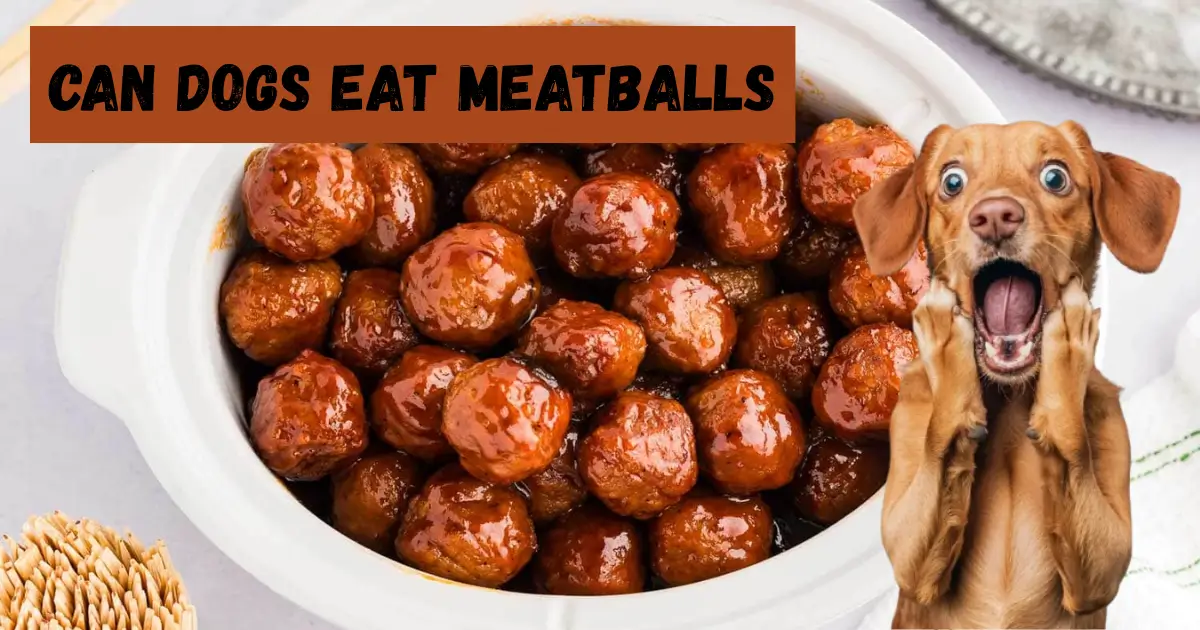
Dogs are naturally drawn to the smell and taste of meat, so it’s no surprise that many pet owners wonder whether they can share foods like meatballs with their furry companions. At first glance, meatballs may seem like a safe option since they are primarily made from meat. However, the reality is more complex than it appears.
This guide will explain whether dogs can eat meatballs, the risks involved, safer alternatives, and how to make dog-friendly versions at home. By the end, you’ll clearly understand whether this popular dish belongs in your dog’s bowl or not.
Can Dogs Eat Meatballs?
Dogs can eat meatballs, but only under specific conditions. Plain, homemade meatballs made without harmful ingredients can be safe in small amounts. However, most meatballs prepared for humans are not suitable for dogs.
Traditional meatball recipes often include ingredients that can be harmful, such as onions, garlic, salt, spices, sauces, and oils. These additions make regular meatballs unsafe for dogs, even though the meat itself is not the problem.
Why Most Meatballs Are Unsafe for Dogs
The main issue with meatballs is not the meat, but what is added to it. Understanding the ingredients commonly used in meatballs will help you see why caution is necessary.
Onions and Garlic
These are two of the most dangerous ingredients often found in meatballs. Both are toxic to dogs and can damage red blood cells, leading to anemia. Even small amounts consumed regularly can cause serious health problems.
Salt and Seasonings
Meatballs usually contain salt, pepper, and other spices. Dogs are much more sensitive to sodium than humans, and too much salt can lead to dehydration or sodium poisoning in extreme cases.
Sauces and Oils
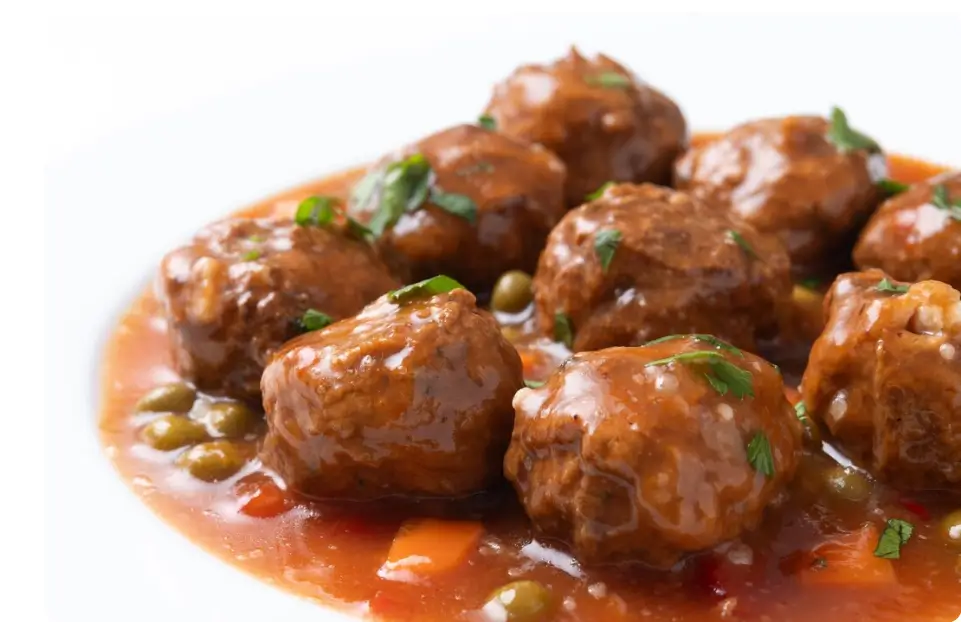
Many meatballs are served with sauces like tomato sauce or gravy. These sauces often contain sugar, salt, garlic, and preservatives, all of which can upset your dog’s stomach. Oils used in cooking can also add unnecessary fat.
Breadcrumbs and Additives
Some recipes include breadcrumbs or fillers that may not suit dogs with grain sensitivities. While not always harmful, they add unnecessary calories and can contribute to weight gain.
Are Plain Meatballs Safe for Dogs?
Yes, plain meatballs made specifically for dogs can be safe. If you prepare meatballs using simple ingredients like plain ground meat and cook them without seasoning, they can be a protein-rich treat.
The safest approach is to keep the recipe minimal and avoid anything that is not dog-friendly. This allows your dog to enjoy the taste of meat without exposure to harmful substances.
Nutritional Benefits of Meat (Without Additives)
When stripped down to its basic form, meat provides several health benefits for dogs.
High-Quality Protein
Protein is essential for muscle growth, tissue repair, and overall energy. Meatballs made from lean meat can help support your dog’s physical health.
Essential Nutrients
Meat contains important nutrients such as iron, zinc, and B vitamins. These contribute to healthy blood circulation, immune function, and energy levels.
Supports Muscle Maintenance
For active dogs or growing puppies, protein-rich foods can help maintain strong muscles and support development.
Risks of Feeding Meatballs to Dogs
Even though plain meat can be beneficial, meatballs still come with risks if not handled carefully.
High Fat Content
Depending on the type of meat used, meatballs can be high in fat. Excess fat can lead to weight gain and may increase the risk of pancreatitis, a serious condition that affects the pancreas.
Overfeeding
Dogs love meat, and it can be tempting to give them more than they should have. Overfeeding meatballs can disrupt their balanced diet and lead to nutritional imbalances.
Choking Hazard
Large meatballs can be difficult for dogs to chew, especially smaller breeds. Always cut them into smaller pieces before serving.
Hidden Ingredients
Even homemade meatballs can become unsafe if you accidentally add seasoning, sauces, or other harmful ingredients. Always double-check what goes into the recipe.
How to Make Dog-Friendly Meatballs
If you want to share meatballs with your dog, making them at home is the safest option.
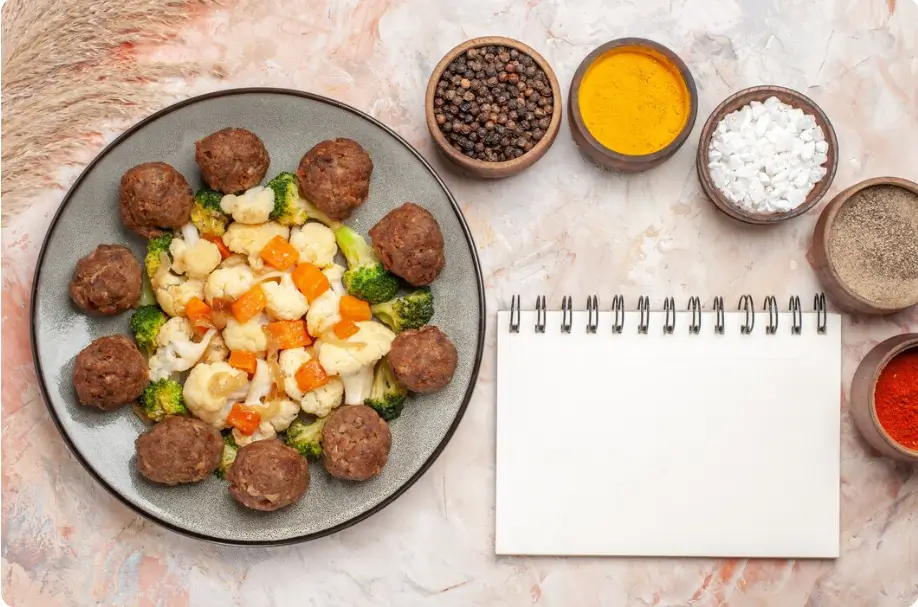
Use plain ground meat such as chicken, turkey, or beef. Avoid adding salt, spices, onions, or garlic. You can mix in a small amount of dog-safe ingredients like plain cooked rice or finely chopped vegetables if desired.
Bake or cook the meatballs thoroughly without oil or seasoning. Once cooked, allow them to cool before serving. Cutting them into small, bite-sized pieces makes them easier for your dog to eat safely.
How Much Meatball Can Dogs Eat?
Meatballs should be treated as an occasional treat, not a regular meal. Dogs need a balanced diet, and too much meat can upset that balance.
Small dogs should only have a few small pieces, while larger dogs can handle slightly bigger portions. However, moderation is always important. Treats should not exceed 10% of your dog’s daily calorie intake.
Can Puppies Eat Meatballs?
Puppies can eat plain, homemade meatballs in very small amounts, but extra care is needed. Their digestive systems are still developing, so new foods should be introduced slowly.
Make sure the meatballs are soft, plain, and cut into very small pieces. Avoid giving puppies any seasoned or store-bought meatballs.
What Happens If a Dog Eats Regular Meatballs?
If your dog accidentally eats a small amount of regular meatballs, they may experience mild symptoms such as:
- Upset stomach
- Vomiting
- Diarrhea
However, if the meatballs contain onions, garlic, or large amounts of salt, the situation can become more serious. Symptoms of toxicity may take time to appear and can include weakness, lethargy, or pale gums.
If you suspect your dog has eaten harmful ingredients, it’s best to seek veterinary advice immediately.
Store-Bought Meatballs vs Homemade
Store-bought or restaurant meatballs are not safe for dogs. They often contain preservatives, salt, spices, and sauces that can harm your pet.
Homemade meatballs give you full control over the ingredients, making them the safest option if you want to share this type of food with your dog.
Signs Your Dog Tolerates Meatballs Well
If you decide to give your dog plain meatballs, monitor their reaction. Positive signs include:
- Normal digestion
- Healthy stool
- No vomiting or discomfort
- Active and happy behavior
If your dog shows any negative symptoms, stop feeding meatballs and consult a professional if needed.
When Should You Avoid Feeding Meatballs?
There are certain situations where meatballs should be avoided:
- Dogs with pancreatitis or fat-related conditions
- Dogs that are overweight
- Dogs with food allergies
- Dogs on special veterinary diets
In such cases, it’s best to stick to foods specifically recommended by your veterinarian.
Frequently Asked Questions (FAQs)
Can dogs eat meatballs with sauce?
No, meatballs with sauce are not safe. Sauces often contain garlic, onions, salt, and sugar, which can harm dogs.
Are beef meatballs safe for dogs?
Plain beef meatballs can be safe if cooked without seasoning. However, lean meat is a better choice to reduce fat intake.
Can dogs eat frozen meatballs?
Frozen meatballs should be thawed and checked for ingredients. Most store-bought versions are not suitable for dogs.
Can dogs eat meatballs every day?
No, meatballs should only be an occasional treat. Feeding them daily can lead to nutritional imbalance and weight gain.
What is the safest way to feed meatballs to dogs?
The safest way is to prepare them at home using plain, cooked meat without any seasoning or harmful ingredients.
Final Thoughts
So, can dogs eat meatballs? Yes, but only when they are plain, homemade, and free from harmful ingredients. Regular meatballs prepared for humans are not safe due to the presence of onions, garlic, salt, and other additives.
If you want to treat your dog, simple and carefully prepared meatballs can be a good option. Just remember to keep portions small and avoid making them a regular part of your dog’s diet.
Every dog is different, so always observe how your pet reacts to new foods. What works for one dog may not work for another. Keeping your dog’s health as the top priority will help you make the best choices.
And always make sure to consult your veterinarian before introducing new foods into your dog’s diet to ensure it is safe for your pet.
For More Visits: Animalsinfo