


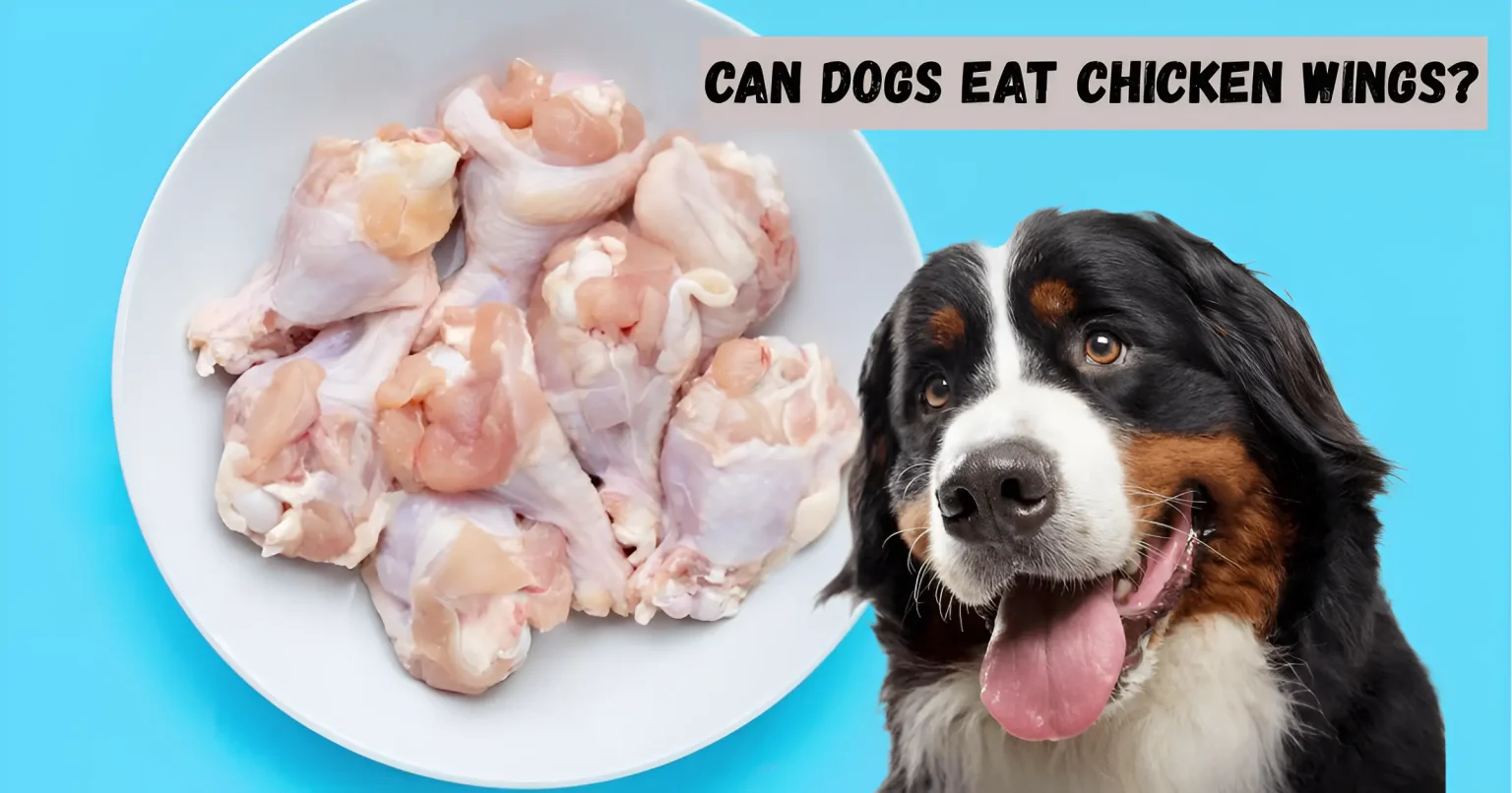
Chicken wings are a favorite snack for humans, especially during social gatherings and sports events. But for dog owners, the question arises—can dogs eat chicken wings? While chicken is a common ingredient in many dog foods, chicken wings, particularly cooked ones, present unique concerns. Understanding the risks and benefits is crucial for keeping your dog safe and healthy.
Why Dogs Are Attracted to Chicken Wings
Dogs are naturally drawn to meat because of its strong aroma and high protein content. Chicken wings, with the combination of skin, fat, and meat, are highly appealing. For dogs, the taste and smell can be irresistible, which sometimes leads to accidental consumption or begging at the table.
However, this attraction does not automatically make chicken wings safe for dogs. Factors like bones, seasoning, and cooking methods play a significant role in determining safety.
Raw Chicken Wings vs. Cooked Chicken Wings
Raw Chicken Wings
Raw chicken wings are sometimes given as part of a raw diet. When handled and prepared properly, raw chicken wings can provide protein and essential nutrients. They contain calcium and phosphorus from the bones, which are important for strong teeth and bones.
However, raw chicken carries the risk of bacterial contamination, such as salmonella or E. coli. Dogs have stronger stomach acids than humans, which reduces the risk, but infection is still possible. Careful handling and hygiene are essential if you choose to offer raw chicken wings.
Cooked Chicken Wings
Cooked chicken wings, especially those that are baked, fried, or grilled, pose more risks. Heat makes bones brittle, and when a dog chews on cooked bones, they can splinter. These splinters can puncture the mouth, throat, or digestive tract, which is a serious medical emergency.
Additionally, cooked chicken wings often contain seasonings like salt, garlic, or onion, all of which can be toxic to dogs. Even small amounts of these additives can lead to health problems, including digestive upset or toxicity.
Nutritional Benefits of Chicken Wings
Chicken wings, when raw and unseasoned, can offer certain nutritional benefits:
- High-Quality Protein: Essential for muscle development and overall health.
- Minerals: Bones contain calcium and phosphorus, which are vital for bone health.
- Fat: Provides energy, although excessive fat can be unhealthy.
While these benefits exist, they can easily be outweighed by the risks if chicken wings are not served safely.
Potential Dangers of Chicken Wings for Dogs
Even though chicken is a healthy protein, chicken wings carry specific risks:
Choking and Obstruction
The small bones in chicken wings can be a choking hazard, especially for smaller dogs. Large pieces or fragments can also cause blockages in the stomach or intestines, which may require surgery.
Bone Splinters
Cooked bones splinter easily, which can lead to cuts in the mouth, throat, or intestines. These injuries can become serious very quickly and may require emergency care.
Seasonings and Sauces
Many chicken wings are coated with sauces that contain garlic, onion, salt, or spices. Garlic and onion are toxic to dogs, and excess salt can cause dehydration or sodium poisoning.
Fat Content
Chicken wings with skin are high in fat, which can cause digestive issues or lead to pancreatitis in sensitive dogs. Even small amounts of fatty foods can trigger pancreatitis, which is a painful and potentially life-threatening condition.
How to Safely Give Chicken Wings to Dogs
If you want to give your dog chicken wings, safety must come first. Here are some guidelines:
- Choose Raw, Unseasoned Wings: Raw wings are safer than cooked ones as long as proper hygiene is observed.
- Supervise Chewing: Always watch your dog when giving bones to prevent choking.
- Remove Small Fragments: Ensure that any small, sharp pieces are removed to avoid injuries.
- Limit Frequency: Chicken wings should be an occasional treat, not a regular part of the diet.
Some dog owners prefer to use raw meaty bones as part of a controlled raw diet, but this should be done under guidance from a veterinarian to ensure nutritional balance.
Alternatives to Chicken Wings
For pet owners who want to provide safe chews or treats without the risk of bones:
- Commercial Dog Chews: Designed to mimic the chewing experience of bones but without splintering hazards.
- Cooked Boneless Chicken: Plain, cooked chicken breast or thigh is safe and healthy.
- Vegetable or Fruit Treats: Carrots, green beans, or apple slices can provide a crunchy treat.
- Rubber or Nylon Chew Toys: Satisfy the dog’s chewing instincts safely.
These alternatives allow dogs to enjoy something tasty and satisfying without the risks associated with chicken wings.
Special Considerations for Puppies and Small Dogs
Puppies and smaller breeds are at higher risk when consuming chicken wings. Their smaller mouths and developing teeth make them more prone to choking or bone-related injuries.
For puppies, it is best to avoid giving any bones until they are older and under supervision. Small breeds should receive only boneless, cooked chicken as a safe treat.
Signs That a Chicken Wing Has Caused Problems
If your dog has eaten a chicken wing, monitor for the following signs:
- Coughing, gagging, or choking
- Vomiting or retching
- Lethargy or weakness
- Abdominal pain or swelling
- Difficulty defecating or passing stool
Any of these symptoms could indicate a bone-related injury or obstruction, and immediate veterinary attention is required.
Final Thoughts
Chicken wings are not inherently dangerous, but they are risky for dogs, especially when cooked, seasoned, or given without supervision. Raw, unseasoned wings can provide some benefits, but even then, supervision is essential.
For most dog owners, safer alternatives such as boneless chicken, commercial chews, or toys are the best choice. These options allow your dog to enjoy the taste and chewing experience without the serious risks associated with bones.
Providing a balanced diet and monitoring your dog’s treats will keep them healthy, happy, and safe from preventable injuries.
Frequently Asked Questions (FAQs)
Can dogs eat raw chicken wings?
Yes, raw chicken wings can be safer than cooked ones if unseasoned, but hygiene and supervision are crucial.
Are cooked chicken wings dangerous for dogs?
Yes, cooked chicken wings can splinter and cause choking or internal injuries, making them unsafe.
Can chicken wing bones break a dog’s teeth?
Yes, especially for aggressive chewers, the hard bones can crack or break teeth.
What should I do if my dog eats a cooked chicken wing?
Monitor your dog closely and contact a veterinarian immediately if you notice vomiting, abdominal pain, or signs of choking.
Are there safe alternatives to chicken wings?
Yes, boneless cooked chicken, commercial chews, and rubber or nylon toys are safe options.
How often can dogs eat chicken wings?
Chicken wings, if given at all, should only be an occasional treat and never a regular part of the diet.
Can small dogs or puppies eat chicken wings?
No, they are at higher risk of choking or injury. Stick to boneless chicken or appropriate dog treats for these dogs.
For More Visits: Animalsinfo
Also Read: Can Dogs Eat Deer Bones? Benefits, Risks & Safe Feeding