

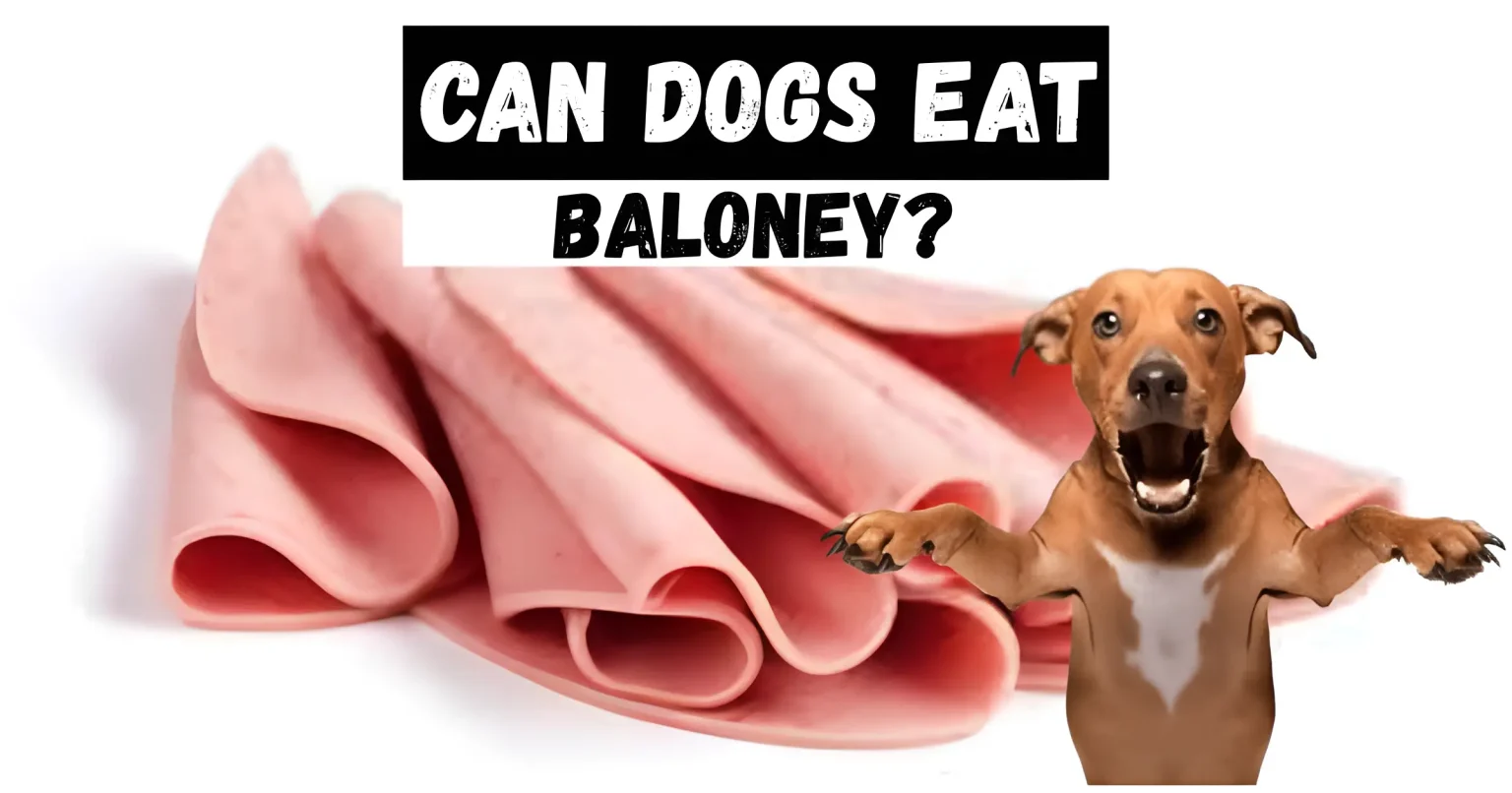
Baloney (also spelled bologna) is a common processed meat found in many households. Its soft texture and strong smell make it tempting to share with your dog, especially when they beg for a bite. But before you hand over a slice, it’s important to ask: can dogs eat baloney safely?
The honest answer is that dogs can eat baloney in very small amounts, but it is not a healthy or recommended food for them. While it isn’t immediately toxic in most cases, the way baloney is made makes it a poor choice for your dog’s diet. Understanding why will help you make better decisions for your pet’s long-term health.
What Is Baloney Made Of?
Baloney is a processed meat product, usually made from beef, pork, chicken, or a mixture of meats. These meats are ground, blended with fats, preservatives, and flavor enhancers, then formed into a sausage-like product.
What makes baloney different from plain meat is the long list of added ingredients. These often include salt, spices, nitrates, and sometimes garlic or onion powder. While these additives improve flavor and shelf life for humans, they can be harmful to dogs.
Is Baloney Safe for Dogs?
Baloney is not considered toxic in small quantities, but it is far from safe as a regular treat. Dogs may eat a small piece without immediate harm, but that doesn’t mean it’s good for them.
The main concern is not the meat itself, but the processing. High sodium levels, preservatives, and unhealthy fats make baloney unsuitable for dogs, especially if given frequently.
Why Baloney Is Not a Good Choice
There are several reasons why baloney should be avoided or strictly limited in a dog’s diet.
High Salt Content
Baloney contains a significant amount of sodium. Dogs do not need as much salt as humans, and too much sodium can lead to dehydration, increased thirst, and strain on the kidneys.
Excess Fat
Processed meats like baloney are often high in fat. While fat is part of a dog’s diet, excessive amounts can lead to weight gain and increase the risk of pancreatitis, a serious and painful condition.
Preservatives and Additives
Baloney often contains nitrates and other preservatives. These chemicals are not ideal for dogs and may cause health issues over time if consumed regularly.
Possible Toxic Ingredients
Some varieties include garlic or onion powder, both of which are toxic to dogs. Even small amounts over time can damage red blood cells and lead to anemia.
What Happens If a Dog Eats Baloney?
If your dog eats a small piece of baloney, there is usually no need to panic. Most dogs will digest it without immediate issues. However, depending on the amount and ingredients, some dogs may experience:
- Upset stomach
- Vomiting
- Diarrhea
- Increased thirst
If your dog eats a large amount or shows unusual symptoms like lethargy or weakness, it’s best to consult a veterinarian.
Can Baloney Cause Long-Term Problems?
Yes, regular consumption of baloney can lead to long-term health issues in dogs.
A diet high in processed meats may contribute to obesity, heart problems, and digestive issues. The high salt and fat content can also put extra stress on vital organs like the kidneys and pancreas.
Over time, these effects can significantly impact your dog’s overall health and quality of life.
Is There Any Safe Way to Feed Baloney?
If you choose to give your dog baloney, it should only be in very small amounts and on rare occasions. Think of it as an emergency treat rather than a normal part of their diet.
Choose a version with the simplest ingredient list, avoiding products that contain garlic, onion, or excessive seasoning. Even then, portion control is essential.
It’s always better to offer healthier alternatives instead of relying on processed meats.
Healthier Alternatives to Baloney
Instead of baloney, consider giving your dog safer, more nutritious options. Plain, cooked meats such as chicken, turkey, or beef are far better choices. These provide protein without harmful additives.
You can also offer dog-friendly vegetables or specially made dog treats that are designed to support your pet’s health.
Providing natural, unprocessed foods helps ensure your dog gets the nutrients they need without unnecessary risks.
Can Puppies Eat Baloney?
Puppies should not be given baloney. Their bodies are still developing, and they are more sensitive to salt, fat, and additives. Feeding processed foods at a young age can lead to digestive issues and poor dietary habits.
Stick to high-quality puppy food and simple, safe treats when necessary.
Can Dogs Eat Fried or Cooked Baloney?
Cooking baloney does not make it safer for dogs. Whether it is fried, baked, or served cold, the harmful ingredients remain. In fact, frying can add even more fat, making it worse for your dog’s health.
The issue lies in the processing and additives, not the cooking method.
Signs Your Dog Should Avoid Baloney
Some dogs are more sensitive than others. Avoid feeding baloney if your dog:
- Has kidney or heart problems
- Is overweight
- Has a history of pancreatitis
- Has food sensitivities
In these cases, even small amounts can cause problems.
Frequently Asked Questions (FAQs)
Can dogs eat baloney every day?
No, baloney should never be given daily. It is unhealthy and can lead to long-term health issues.
Is turkey baloney safer for dogs?
Turkey baloney may have slightly less fat, but it still contains high sodium and preservatives, so it is not a good option.
Can dogs eat a whole slice of baloney?
A small piece may be tolerated, but a whole slice is too much, especially for small dogs.
What should I do if my dog eats a lot of baloney?
Monitor for symptoms like vomiting or diarrhea. If your dog seems unwell or ate a large amount, contact your veterinarian.
Is homemade baloney safe for dogs?
Homemade versions without salt, spices, or harmful ingredients may be safer, but plain cooked meat is still a better option.
Final Thoughts
So, can dogs eat baloney? Technically yes, but it’s not a good choice for your dog’s health. The high salt content, unhealthy fats, and added preservatives make it a food that should be avoided whenever possible.
If your dog happens to eat a small amount, it’s usually not a cause for concern. However, making baloney a regular treat can lead to serious health problems over time.
Choosing natural, simple foods is always the best approach when it comes to your dog’s diet. Your pet relies on you to make healthy decisions, and avoiding processed foods like baloney is one of the easiest ways to keep them safe and well.
And always make sure to consult your veterinarian before introducing new foods into your dog’s diet to ensure it is safe for your pet.
For More Visits: Animalsinfo
Also Read: Can Cats Eat Chia Seeds? Risks, Safety & Serving Guide