


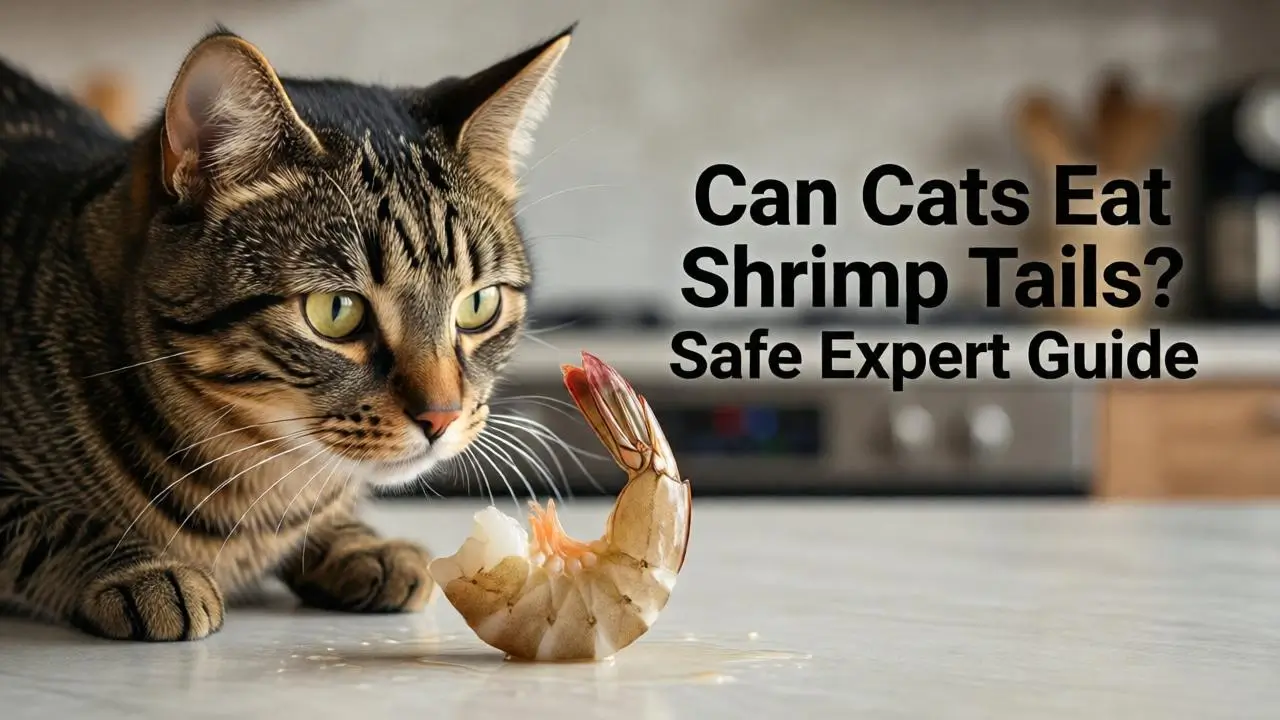
Cats are naturally curious when it comes to food, especially anything that smells like seafood. If you’ve ever cooked shrimp at home, you may have noticed your cat becoming unusually interested. While feeding plain shrimp to cats is a common topic, many owners wonder something more specific: can cats eat shrimp tails?
This question is more important than it may seem. While shrimp itself can be safe in certain conditions, the tail is a completely different matter. Understanding the difference can help you avoid unnecessary health risks and keep your cat safe.
In this detailed guide, we will explore everything you need to know about feeding shrimp tails to cats, including safety concerns, digestion issues, potential risks, and better alternatives.
Understanding a Cat’s Diet and Digestion
Before focusing specifically on shrimp tails, it’s important to understand how a cat’s digestive system works. Cats are obligate carnivores, which means their bodies are designed to process meat efficiently. Their digestive systems are not built to handle hard, indigestible materials.
Soft animal protein, such as cooked fish or chicken, can be easily broken down and absorbed. However, tougher structures like bones, shells, and tails are much harder for them to digest.
Shrimp tails fall into this second category. They are not soft, nor are they easily broken down inside a cat’s stomach.
Can Cats Eat Shrimp Tails?
The simple answer is: cats should not eat shrimp tails.
While a cat might attempt to chew or swallow a shrimp tail out of curiosity or attraction to its smell, this does not mean it is safe. Shrimp tails are hard, sharp, and difficult to digest, which makes them risky for cats.
Unlike soft shrimp meat, which can occasionally be offered in small, properly prepared portions, the tail serves no nutritional benefit and introduces several potential hazards.
Why Shrimp Tails Are Risky for Cats
The main concern with shrimp tails is not toxicity, but physical danger. These risks can affect your cat immediately or develop over time.
Choking Hazard
Shrimp tails are firm and sometimes sharp. If a cat tries to swallow a piece that is too large or rigid, it can get stuck in the throat. This can lead to choking, which is a serious and potentially life-threatening situation.
Cats often do not chew food thoroughly, especially when they are excited. This increases the chances of swallowing something inappropriate.
Digestive Blockage
Even if a shrimp tail is swallowed successfully, it does not mean the problem is over. Because the tail is difficult to digest, it can get stuck in the digestive tract.
This blockage can occur in the stomach or intestines and may require medical intervention. In severe cases, surgery might be needed to remove the obstruction.
Internal Injury
Shrimp tails can have sharp edges. As they move through the digestive system, they may irritate or even damage internal tissues. This can lead to discomfort, inflammation, or more serious complications.
Even small injuries inside the digestive tract can cause pain and affect your cat’s ability to eat and behave normally.
No Nutritional Value
Unlike shrimp meat, which contains protein and some beneficial nutrients, shrimp tails offer no real nutritional advantage. Feeding something risky without any benefit simply does not make sense for your cat’s overall health.
What Happens If Your Cat Eats a Shrimp Tail?
If your cat accidentally eats a shrimp tail, the outcome depends on several factors, including the size of the tail and your cat’s size and health.
In some cases, the tail may pass through the digestive system without causing harm. However, this is not guaranteed. You should monitor your cat closely after the incident.
Watch for signs such as:
- Vomiting
- Loss of appetite
- Lethargy
- Difficulty passing stool
- Signs of discomfort or pain
If any of these symptoms appear, it is important to consult a veterinarian as soon as possible.
Are Cooked Shrimp Tails Safer?
Some people assume that cooking shrimp tails makes them softer and safer. While cooking may slightly change the texture, it does not make them suitable for cats.
Cooked shrimp tails are still firm and can still pose choking and digestion risks. In some cases, cooking can even make them more brittle, increasing the chance of sharp edges.
Therefore, whether raw or cooked, shrimp tails should be avoided.
Can Kittens Eat Shrimp Tails?
Kittens are even more vulnerable than adult cats. Their digestive systems are still developing, and they are more sensitive to foreign objects.
A shrimp tail that might pass through an adult cat could cause serious problems in a kitten. For this reason, shrimp tails should never be given to kittens under any circumstances.
Safe Ways to Feed Shrimp to Cats
If you want to share shrimp with your cat, it is important to do so correctly. The key is preparation and moderation.
Only offer plain, fully cooked shrimp with no seasoning, salt, or oil. Remove the shell, tail, and any hard parts before serving. Cut the shrimp into small, manageable pieces to reduce the risk of choking.
Shrimp should only be given as an occasional treat, not a regular part of your cat’s diet.
Why Cats Are Attracted to Shrimp Tails
Cats are highly sensitive to smell, and seafood has a strong scent that naturally attracts them. Even though the tail is not edible, it still carries the same aroma as the shrimp meat.
This can confuse cats into thinking the entire piece is food. Their curiosity and hunting instincts may lead them to play with or try to eat the tail.
Preventing Accidents at Home
The best way to protect your cat is to prevent access to shrimp tails in the first place. Always dispose of shrimp waste properly and keep it out of your cat’s reach.
If you are preparing seafood, make sure your cat is not nearby or able to grab scraps from the counter. Simple habits like cleaning up immediately can make a big difference.
Long-Term Health Considerations
Feeding inappropriate items like shrimp tails, even occasionally, can create unnecessary risks over time. While one incident might not lead to serious harm, repeated exposure increases the chances of complications.
Cats thrive on consistency and proper nutrition. Introducing unsafe food items can disrupt their digestive health and lead to avoidable medical issues.
FAQs
1. Can cats eat shrimp tails safely?
No, shrimp tails are not safe for cats. They can cause choking, digestive blockages, and internal injuries.
2. What should I do if my cat eats a shrimp tail?
Monitor your cat closely for any unusual symptoms. If you notice vomiting, pain, or changes in behavior, contact a veterinarian immediately.
3. Are shrimp shells and tails the same risk?
Yes, both shrimp shells and tails are hard and difficult to digest, making them unsafe for cats.
4. Can cooked shrimp tails be given to cats?
No, cooking does not make shrimp tails safe. They remain a choking and digestion hazard.
5. Is shrimp meat safe for cats?
Yes, plain cooked shrimp without seasoning can be given occasionally in small amounts, but the tail must always be removed.
Final Thoughts
Cats are naturally drawn to the smell and taste of seafood, but not everything that appeals to them is safe. Shrimp tails may seem harmless at first glance, but they carry real risks that every cat owner should take seriously.
From choking hazards to digestive blockages, the dangers outweigh any possible benefit. The safest approach is simple: keep shrimp tails away from your cat entirely.
If you want to treat your cat, stick to properly prepared, soft foods that are easy to digest and nutritionally appropriate. A little caution goes a long way in protecting your pet’s health.
Being a responsible cat owner means understanding not just what your cat can eat, but what it should eat. Avoiding risky items like shrimp tails is a small step that can prevent big problems in the future.
For More Visits: Animalsinfo


