

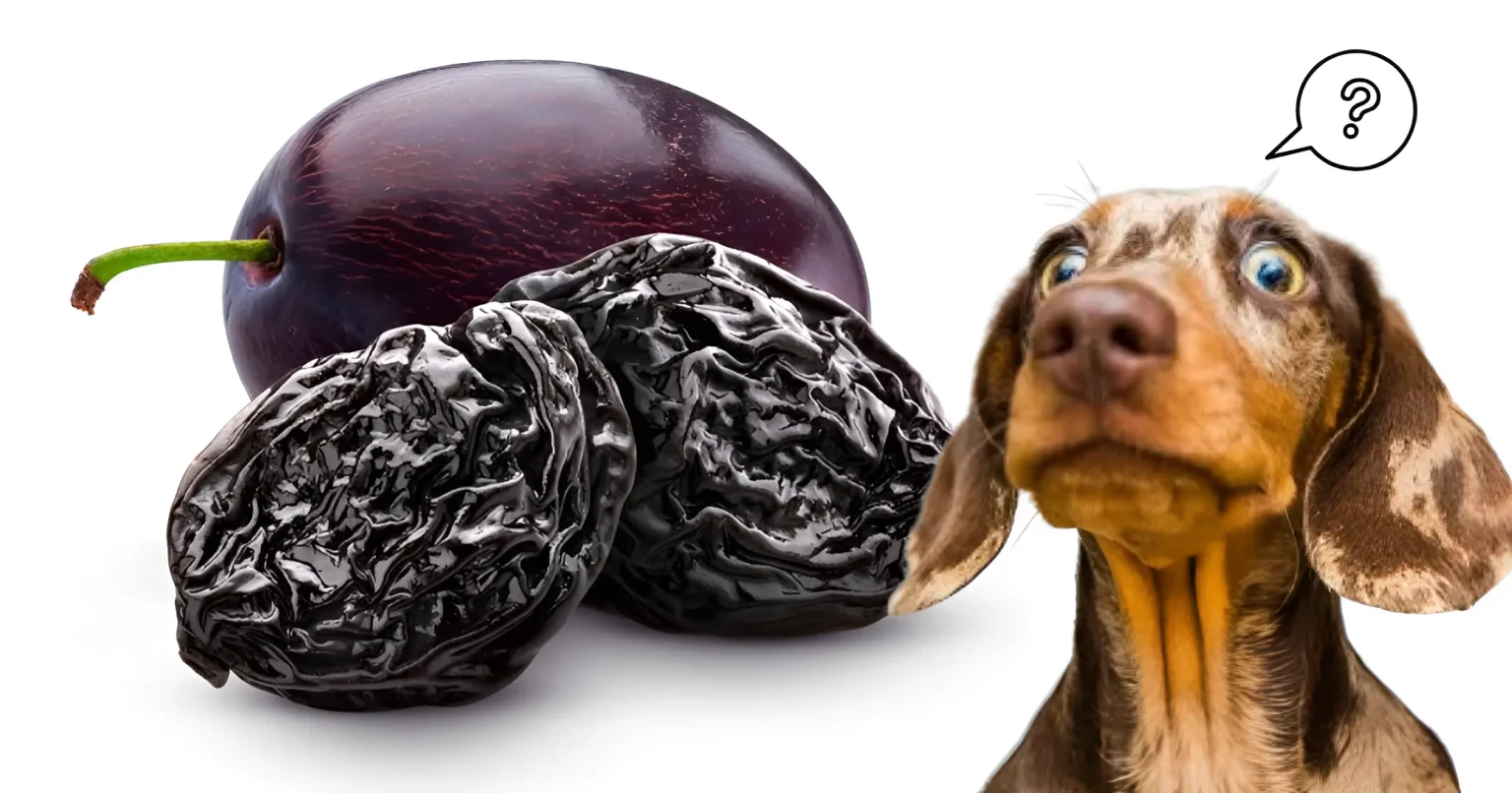
When it comes to feeding our furry friends, curiosity often pushes us to ask whether certain human foods are safe for dogs. Fruits in particular spark many questions because they are healthy for humans but not always appropriate for pets. One fruit that frequently raises concern is the prune. Known for its digestive benefits in people, prunes are essentially dried plums. But the big question is: can dogs eat prunes safely?
The answer requires some careful explanation. While prunes contain nutrients, they also present risks for dogs that every pet parent should understand. This easy-to-learn guide will cover everything you need to know about prunes and your dog’s diet, including benefits, dangers, preparation, and expert-backed advice.
What Are Prunes?
Prunes are simply dried plums. They have been used for centuries as a natural remedy for digestive issues, especially constipation, thanks to their high fiber and sorbitol content. For humans, prunes are often seen as a healthy snack packed with antioxidants, vitamins, and minerals.
Nutritionally, prunes provide:
- Fiber (aiding digestion)
- Vitamin K
- Potassium
- Antioxidants such as phenolic compounds
- Natural sugars like fructose and glucose
While this profile makes them beneficial to humans, the way dogs digest food is very different. That’s why we must examine prunes separately for canine consumption.
Can Dogs Eat Prunes Safely?
The short answer is: dogs should not eat prunes in significant amounts. While a tiny piece of prune may not cause immediate harm, prunes are generally not considered safe or appropriate for dogs.
There are several reasons for this:
- High sugar content: Dogs do not need extra sugar in their diets, and too much can lead to weight gain, dental issues, and even diabetes.
- Digestive irritation: Prunes contain sorbitol, a natural laxative. While this helps humans, it can cause diarrhea or stomach upset in dogs.
- Choking hazard: Whole prunes, especially with pits, can pose a choking risk or cause intestinal blockage.
- Toxic risks from pits: The pits of plums (and thus prunes if not fully pitted) contain cyanide compounds, which are toxic to dogs.
So, while prunes are not classified as highly toxic like grapes or raisins, they still carry enough risks that it is best to avoid feeding them to dogs.
Why Prunes Are Not a Good Choice for Dogs
Prunes are marketed as a health food for people, but when it comes to dogs, they fall into the “better avoided” category. Let’s break down why.
1. Excessive Fiber
Dogs need fiber, but too much at once can upset their digestive system. Prunes are loaded with fiber, which can quickly lead to gas, bloating, diarrhea, and discomfort in dogs.
2. Sorbitol Effect
The natural sugar alcohol sorbitol acts as a strong laxative. For dogs, even a small serving of prunes can trigger loose stools or dehydration from diarrhea.
3. Sugar Overload
Prunes are very high in natural sugars. Dogs on a balanced diet do not need sugary snacks, and feeding them too many prunes can encourage obesity and metabolic issues.
4. Possible Toxin Exposure
If prunes are not completely pitted, the remaining pit material can expose dogs to trace amounts of cyanide compounds. While one pit may not be fatal, it is dangerous enough to avoid the risk entirely.
What Happens If a Dog Eats Prunes Accidentally?
If your dog sneaks a small bite of prune, don’t panic. One or two small pieces without pits are unlikely to cause severe harm. However, you may notice:
- Loose stools
- Increased gas
- Mild stomach upset
If your dog eats multiple prunes or ingests a pit, the risks increase. Signs of trouble include:
- Repeated vomiting
- Diarrhea lasting more than a day
- Drooling or abdominal pain
- Lethargy
- Difficulty breathing (in rare cyanide poisoning cases)
In these situations, contact your veterinarian immediately.
Are There Any Benefits of Prunes for Dogs?
It’s fair to ask: if prunes are so nutritious for humans, could they have any upside for dogs? Technically, yes—but with major caveats.
Prunes contain antioxidants and vitamins that may support immunity and overall health. The fiber could, in theory, help with mild constipation. But because the risks outweigh the benefits, most veterinarians recommend safer alternatives for dogs.
Healthy Alternatives to Prunes for Dogs
If your dog struggles with constipation or you simply want to share fruit with them, there are better and safer options than prunes:
- Pumpkin: Plain, cooked pumpkin is the gold standard for canine digestive support.
- Blueberries: Rich in antioxidants, safe in small amounts.
- Apple slices: Fiber-rich and sweet (remove seeds and core).
- Bananas: Natural sweetness and potassium, given in moderation.
- Carrots: Crunchy, fibrous, and good for dental health.
These alternatives provide fiber and nutrients without the risks associated with prunes.
Easy-to-Learn Tips for Dog Owners
- Don’t share prunes as treats—choose safer fruits instead.
- If your dog eats prunes by accident, monitor carefully.
- Always keep dried fruits, especially prunes, raisins, and grapes, stored out of your dog’s reach.
- For constipation, rely on dog-safe remedies like plain pumpkin or vet-approved supplements.
- Remember that moderation and vet guidance are key with any new food.
Frequently Asked Questions (FAQs)
1. Can dogs eat dried plums (prunes) safely?
No, prunes are not safe due to high sugar and sorbitol content. They may cause diarrhea and stomach upset.
2. What if my dog eats one prune?
One small prune without a pit will likely only cause mild digestive upset. Still, monitor for diarrhea or vomiting.
3. Are prune pits dangerous for dogs?
Yes, prune pits contain cyanide compounds and pose a choking hazard. Even trace exposure is risky.
4. Can prunes help dogs with constipation?
No, prunes are not recommended. Use plain pumpkin or vet-approved fiber supplements instead.
5. Are all dried fruits unsafe for dogs?
Not all, but many dried fruits (like raisins) are highly toxic. Even safe fruits become risky when dried because sugar concentration increases.
6. Can puppies eat prunes?
Absolutely not. Puppies have even more sensitive digestive systems and should never be given prunes.
7. What should I do if my dog ate several prunes?
Call your veterinarian. Depending on your dog’s size and how many prunes were eaten, your vet may recommend monitoring, hydration support, or a clinic visit.
8. Are plums safer than prunes for dogs?
Fresh plums without pits are safer than prunes, but they are still high in sugar and not ideal for dogs.
Final Thoughts
So, can dogs eat prunes easy to learn? The clear answer is no—prunes are not a safe or appropriate snack for dogs. While not the most toxic fruit, their high sugar, sorbitol content, and risk of pits make them unsuitable for canine diets. At best, prunes may cause diarrhea; at worst, they could lead to more serious complications.
Instead of sharing prunes, offer dog-friendly fruits and vegetables like pumpkin, blueberries, or carrots. These provide similar digestive and nutritional benefits without the same dangers.
As a pet parent, your role is to make informed choices about what goes into your dog’s bowl. By understanding the risks of foods like prunes, you can keep your four-legged friend safe, comfortable, and healthy.
For More Visits: Animalsinfo