


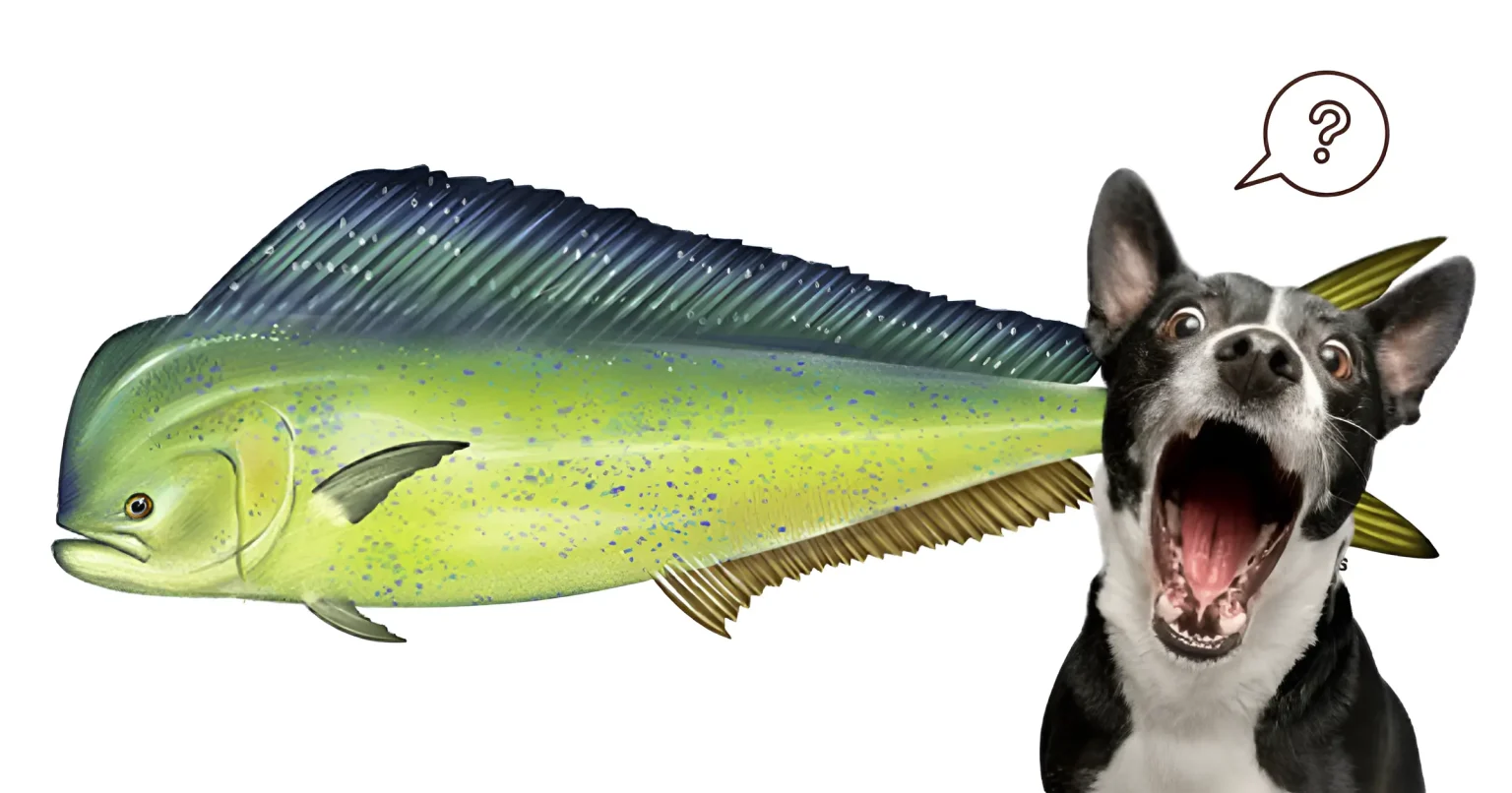
When it comes to feeding our furry companions, every pet owner wants to ensure that what goes into their bowl is both safe and nutritious. One question that often arises among dog owners is: Can dogs have mahi mahi? This tropical fish, popular among humans for its light flavor and lean protein, may seem like a tempting treat for your pup. But before offering your dog a bite, it’s important to understand everything about mahi mahi—its nutritional value, potential risks, and the right way to serve it.
What Is Mahi Mahi?
Mahi mahi, also known as dolphinfish (not related to dolphins), is a saltwater fish found in tropical and subtropical oceans. It has firm, white flesh and is rich in protein, omega-3 fatty acids, and essential nutrients. People love it because it’s a lean fish that cooks quickly and tastes delicious when grilled, baked, or pan-seared. But the big question remains: Can dogs have mahi mahi safely? The answer is yes, dogs can eat mahi mahi — but only when it’s prepared properly and served in moderation.
Can Dogs Have Mahi Mahi Safely?
Yes, dogs can have mahi mahi as long as it’s cooked thoroughly and served plain. The fish should never be seasoned, fried, or mixed with sauces. Cooked mahi mahi can provide dogs with several essential nutrients, including protein for muscle growth and omega-3 fatty acids that support joint and skin health.
However, the safety of mahi mahi depends largely on its preparation. Raw or undercooked fish can contain parasites or harmful bacteria, which might upset your dog’s stomach or lead to infections. Always cook the fish completely before feeding it to your pet.
Additionally, dogs should only have small portions. While mahi mahi is healthy, it should not replace your dog’s balanced diet. Think of it as an occasional treat rather than a regular meal.
Nutritional Benefits of Mahi Mahi for Dogs
If you’re wondering why many pet owners consider giving their dogs mahi mahi, the reason lies in its nutritional profile. This fish is packed with valuable nutrients that can benefit dogs in various ways.
1. High-Quality Protein
Mahi mahi is an excellent source of lean protein, which supports muscle repair and helps maintain a healthy weight. Dogs require protein for strong bones, a shiny coat, and overall vitality.
2. Omega-3 Fatty Acids
One of the main reasons dogs can have mahi mahi is its rich omega-3 content. These fatty acids help reduce inflammation, improve skin condition, and promote a soft, glossy coat.
3. Vitamins and Minerals
Mahi mahi contains essential nutrients like Vitamin B12, niacin, selenium, and phosphorus. These help boost metabolism, strengthen immunity, and enhance energy levels in dogs.
4. Low in Saturated Fat
Unlike fatty meats, mahi mahi is low in saturated fat, making it a good choice for dogs that need a lighter protein source or are prone to weight gain.
Potential Risks of Feeding Mahi Mahi to Dogs
While dogs can have mahi mahi, there are certain risks associated with feeding them fish improperly. Understanding these risks can help you make safe choices.
1. Mercury Content
All ocean fish contain trace amounts of mercury, and mahi mahi is no exception. Though it typically has lower mercury levels than tuna or swordfish, feeding it too often may lead to mercury buildup over time. It’s best to give it occasionally rather than daily.
2. Seasoning and Additives
Dogs cannot tolerate ingredients like garlic, onion, salt, and certain spices. These are often used in human recipes, but they can be toxic for dogs. Always serve plain, unseasoned mahi mahi to keep your dog safe.
3. Choking Hazards
Fish bones are small, brittle, and sharp. If swallowed, they can cause choking or internal injury. Always remove all bones before feeding mahi mahi to your dog.
4. Allergic Reactions
Although uncommon, some dogs may be allergic to certain fish proteins. Start by feeding a small amount and observe your dog for any signs of itching, swelling, or digestive upset.
How to Prepare Mahi Mahi for Dogs
If you decide to feed your dog mahi mahi, preparation is key. Cooking it the right way ensures your dog receives maximum nutrition without any health risks.
- Choose Fresh Fish: Always buy fresh, high-quality mahi mahi from a trusted source. Avoid fish that smells bad or looks discolored.
- Remove the Skin and Bones: Fish skin can sometimes carry toxins or be hard to digest. Carefully debone the fish before cooking.
- Cook Thoroughly: Bake, grill, or steam the mahi mahi until it’s completely cooked. Avoid frying or adding oils.
- No Seasoning: Don’t add salt, pepper, garlic, butter, or any other flavorings. Plain fish is safest for dogs.
- Serve in Small Portions: Cut the fish into bite-sized pieces and serve in moderation. Too much can upset your dog’s stomach.
This method ensures that when dogs have mahi mahi, they enjoy it safely without compromising their health.
How Often Can Dogs Have Mahi Mahi?
Dogs can have mahi mahi occasionally—about once every two weeks is a good frequency for most medium-sized dogs. Feeding fish too often may lead to nutrient imbalance or excess mercury exposure.
If your dog enjoys mahi mahi, rotate it with other safe proteins like chicken, turkey, or salmon. Balance is essential for maintaining optimal nutrition. Remember, even though dogs can have mahi mahi, moderation is the key to keeping it healthy.
Can Puppies Have Mahi Mahi?
Puppies can have mahi mahi, but only in very small quantities and under supervision. Their digestive systems are still developing, so it’s important to introduce new foods slowly. Boiled or baked mahi mahi, served plain and boneless, can be a gentle protein addition for puppies once they’ve adjusted to solid food.
Make sure it’s soft enough for them to chew and swallow easily. If your puppy shows any discomfort, stop feeding and consult your vet immediately.
Can Dogs Eat Raw Mahi Mahi?
No, dogs should not eat raw mahi mahi. Raw fish can carry parasites like tapeworms or harmful bacteria such as salmonella. Cooking kills these pathogens and makes the fish safe for dogs. Feeding raw fish regularly can also cause thiamine deficiency, which affects your dog’s nervous system. So always cook mahi mahi thoroughly before serving.
Signs Your Dog Enjoys Mahi Mahi
If dogs have mahi mahi for the first time, you’ll likely notice their excitement. Dogs usually love the aroma and texture of fish. Some common signs that your dog enjoys it include wagging tails, increased appetite, and licking their bowl clean.
However, if you see any negative signs—vomiting, diarrhea, or itching—avoid giving mahi mahi again and consult your veterinarian. Every dog’s tolerance is different.
Can Dogs with Allergies Have Mahi Mahi?
Dogs with mild food allergies can sometimes have mahi mahi because it’s a novel protein (not commonly found in dog food). It can be beneficial for elimination diets where the goal is to identify and avoid common allergens like chicken or beef.
Still, always introduce it slowly and monitor your dog closely for any allergic reactions. If your dog shows improved coat health or less itching after eating mahi mahi, it may be a good occasional protein option.
Alternatives to Mahi Mahi for Dogs
While dogs can have mahi mahi safely, there are other fish options that may also benefit them, such as salmon, tilapia, cod, and whitefish. These are often lower in mercury and easier to digest. Rotating between different types of fish can give your dog a variety of nutrients and prevent dietary boredom.
FAQs About Mahi Mahi and Dogs
1. Can dogs have mahi mahi every day?
No, dogs should not have mahi mahi every day. While it’s healthy, daily consumption can cause mercury buildup. Once every week or two is sufficient.
2. Is mahi mahi better than salmon for dogs?
Both are good sources of protein and omega-3s. Mahi mahi is leaner, while salmon provides more fatty acids. Either can be fed occasionally.
3. Can dogs have mahi mahi skin?
It’s better to remove the skin. The skin may hold toxins or be too oily for some dogs to digest properly.
4. What if my dog ate raw mahi mahi accidentally?
Monitor your dog for signs of sickness such as vomiting, diarrhea, or lethargy. Contact your vet if symptoms persist.
5. Can dogs have frozen mahi mahi?
Yes, but only after thawing and cooking it properly. Frozen fish should never be given raw.
6. Does mahi mahi help improve a dog’s coat?
Yes, because it’s rich in omega-3 fatty acids which promote a shiny, healthy coat.
7. Can dogs with sensitive stomachs eat mahi mahi?
Yes, but start with a small amount. Mahi mahi is generally light on the stomach but individual reactions vary.
Final Thoughts
So, can dogs have mahi mahi? The answer is a confident yes—when it’s cooked, boneless, and served in moderation. Mahi mahi is packed with lean protein, vitamins, and healthy fats that can contribute to your dog’s overall health. However, it should never replace a balanced diet or be given raw or seasoned.
By feeding mahi mahi the right way, you can treat your dog to a flavorful, nutritious meal that supports strong muscles, a glowing coat, and lasting energy. Just remember the golden rule of moderation and preparation—because when handled properly, mahi mahi can be a safe and delicious addition to your dog’s diet.
For More Visits: Animalsinfo
Also Read: Can Dogs Drink Apple Juice? 7 Amazing 2025 Health Facts