


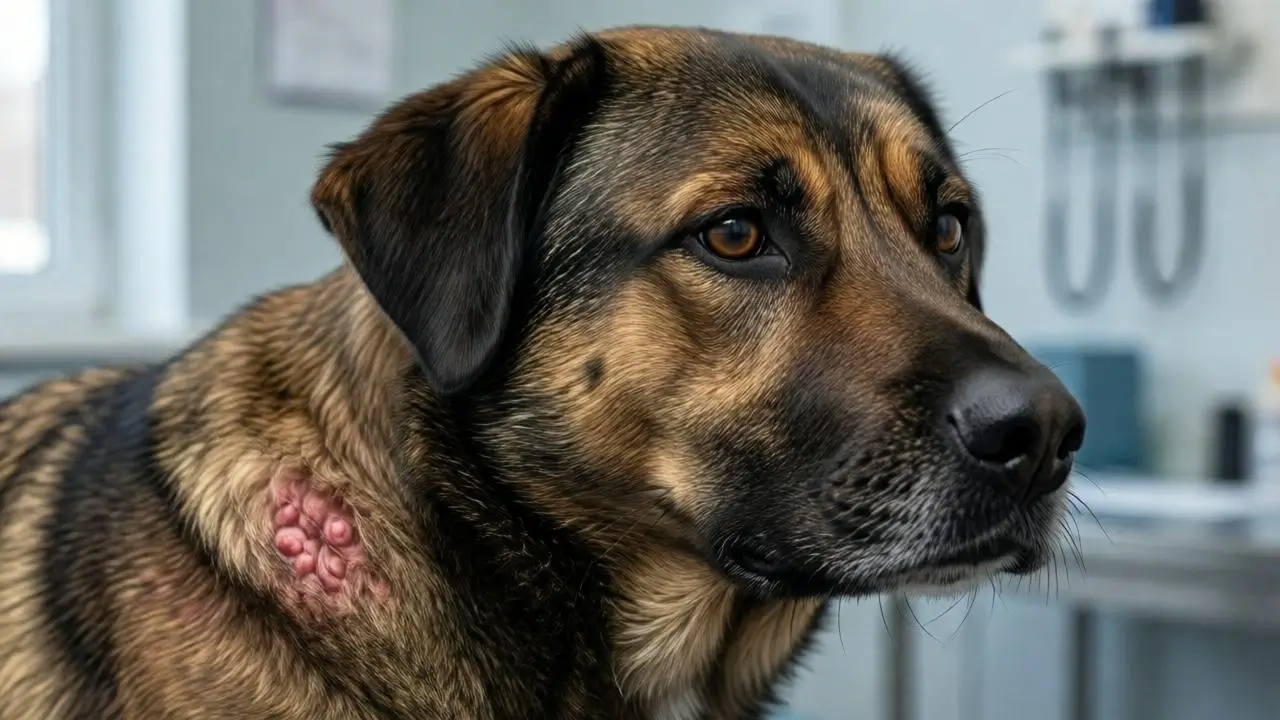
Hot spots on dogs are one of the most frustrating and painful skin conditions a pet owner can encounter. They often appear suddenly, worsen rapidly, and cause intense discomfort for dogs. If you have ever noticed a red, moist, irritated patch of skin on your dog that seems to grow overnight, you are likely dealing with a hot spot.
Understanding hot spots on dogs is essential because early recognition and proper care can prevent serious infection and prolonged suffering. These skin lesions are not just cosmetic issues; they reflect an underlying problem that needs attention. This article explores what hot spots are, why they happen, how to treat them safely, and how to prevent them from coming back.
What Are Hot Spots on Dogs?
Hot spots, also known as acute moist dermatitis, are localized areas of inflamed, infected skin. They often appear as red, raw, oozing patches that can be extremely painful and itchy. Hot spots usually develop quickly and can spread within hours if not addressed.
The affected area may look wet, swollen, and irritated. Hair around the spot often falls out or becomes matted with discharge. Dogs typically react by licking, chewing, or scratching the area repeatedly, which worsens the condition.
Hot spots on dogs are not a disease themselves but a symptom of an underlying issue such as allergies, moisture, or irritation.
Why Do Hot Spots Develop So Quickly?
One of the most alarming aspects of hot spots on dogs is how fast they can appear and spread. This rapid progression happens because dogs instinctively lick or chew at irritated skin. Saliva introduces bacteria and moisture, creating the perfect environment for infection.
Once the skin barrier is broken, inflammation increases, itchiness intensifies, and the dog continues to self-traumatize the area. This cycle allows hot spots to expand dramatically in a short time.
Early intervention is critical to stopping this cycle before the condition becomes severe.
Common Causes of Hot Spots on Dogs
Hot spots rarely occur without a trigger. Understanding the cause helps prevent future outbreaks.
Allergies are one of the most common causes. Dogs can develop allergic reactions to food, pollen, dust mites, or flea bites. Even a single flea bite can cause intense itching in sensitive dogs, leading to excessive scratching and skin damage.
Moisture trapped in the coat is another major contributor. Dogs that swim frequently, get caught in the rain, or are bathed without proper drying are at higher risk. Thick or long coats trap moisture close to the skin, making bacterial growth more likely.
Skin injuries also play a role. Small cuts, insect bites, or abrasions can become hot spots if a dog continuously licks the area.
Stress and boredom may indirectly contribute as well. Dogs that lick or chew themselves compulsively due to anxiety can damage their skin and trigger hot spots.
Breeds More Prone to Hot Spots
While hot spots on dogs can affect any breed, some are more susceptible. Dogs with thick coats, dense undercoats, or long hair are at higher risk because moisture and heat get trapped near the skin.
Breeds commonly affected include retrievers, shepherds, collies, and other dogs with heavy coats. However, short-haired breeds are not immune, especially if allergies or parasites are involved.
Breed predisposition does not guarantee hot spots will occur, but it increases the importance of grooming and monitoring skin health.
Symptoms to Watch For
Hot spots on dogs often start subtly. A dog may seem restless or repeatedly lick one area. Within hours, visible symptoms can appear.
Common signs include redness, hair loss around the affected area, moist or oozing skin, swelling, and a strong odor. Dogs may whine, avoid touch, or become irritable due to pain.
If left untreated, hot spots can develop thick scabs, deeper infection, and even fever in severe cases. Recognizing early symptoms makes treatment much easier and more effective.
Diagnosing Hot Spots on Dogs
In many cases, hot spots can be identified by appearance alone. However, determining the underlying cause often requires a closer look.
A veterinarian may examine the skin, ask about diet, environment, grooming habits, and recent changes, and check for parasites. In recurring cases, allergy testing or dietary trials may be recommended to identify triggers.
Accurate diagnosis helps prevent repeated flare-ups and ensures long-term skin health.
Treating Hot Spots on Dogs
Treatment focuses on stopping irritation, reducing infection, and relieving discomfort.
The first step is clipping the hair around the hot spot. This allows air to reach the skin and prevents moisture from being trapped. Cleaning the area gently removes bacteria and debris.
Topical treatments may be applied to reduce inflammation and infection. These are often soothing and help relieve itching so the dog is less tempted to lick the area.
In more severe cases, oral medications may be necessary to control infection or inflammation. Dogs may also need to wear a protective collar to prevent further licking while the skin heals.
Prompt treatment usually leads to noticeable improvement within a few days.
Home Care and Monitoring
Proper home care plays a vital role in recovery. Keeping the area clean and dry is essential. Owners should monitor the hot spot daily for signs of improvement or worsening.
Avoid applying unapproved creams or human medications, as these can irritate the skin further. Always follow veterinary guidance when treating hot spots at home.
Limiting scratching and licking is critical. Even brief periods of self-trauma can delay healing.
Preventing Hot Spots on Dogs
Prevention focuses on managing underlying causes and maintaining good skin health.
Regular grooming helps remove loose hair, prevent matting, and improve air circulation. Dogs should be thoroughly dried after swimming or bathing.
Controlling fleas and parasites is essential, especially for dogs with sensitive skin. Consistent parasite prevention reduces the risk of allergic reactions.
Managing allergies through diet, environmental control, or veterinary treatment can significantly reduce hot spot recurrence. Reducing stress and providing mental stimulation can also help dogs prone to compulsive licking.
Prevention requires consistency, but it greatly reduces discomfort and veterinary visits over time.
When to See a Veterinarian
While mild hot spots may improve quickly with proper care, veterinary attention is necessary if the condition worsens, spreads rapidly, or does not improve within a few days.
Dogs showing signs of severe pain, lethargy, fever, or multiple hot spots should be evaluated promptly. Recurring hot spots often indicate an unresolved underlying issue that requires professional management.
Frequently Asked Questions (FAQs)
What exactly are hot spots on dogs?
Hot spots are painful, inflamed areas of skin caused by irritation, infection, and excessive licking or scratching.
How fast do hot spots develop?
Hot spots can develop and spread within hours, especially if a dog continues to lick the area.
Are hot spots contagious to other dogs or humans?
No, hot spots are not contagious. They result from individual skin reactions and behaviors.
Can hot spots heal on their own?
Mild cases may improve, but most require treatment to prevent worsening and infection.
Do hot spots always come back?
Not always. Addressing the underlying cause greatly reduces the chance of recurrence.
Is grooming important for preventing hot spots?
Yes. Regular grooming helps keep skin dry, clean, and well-ventilated, reducing risk.
Conclusion
Hot spots on dogs are more than just surface skin issues. They are painful, fast-developing lesions that signal an underlying problem such as allergies, moisture, or irritation. Understanding how and why hot spots form empowers dog owners to act quickly and prevent unnecessary suffering.
Early detection, proper treatment, and consistent prevention strategies make a significant difference. With attentive care, most dogs recover quickly and return to their normal, happy selves.
By learning to recognize the warning signs and addressing root causes, you can protect your dog’s skin health and overall well-being. Hot spots may be common, but with the right knowledge and care, they don’t have to become a recurring problem.
For More Visits: Animalsinfo
Also Read: Why Is My Puppy Breathing So Fast While Sleeping Calm 2026