


Can Cats Eat Cheetos? The Crunchy Truth Every Cat Owner Needs to Know
We’ve all seen those bold, crunchy, and neon-orange snacks vanish by the handful—but what happens when your cat eyes your Cheetos with curiosity? Maybe they even sneak a bite. With their loud crunch and cheesy smell, it’s no wonder Cheetos grab feline attention. But can cats eat Cheetos, or is this snack a one-way ticket to tummy trouble?
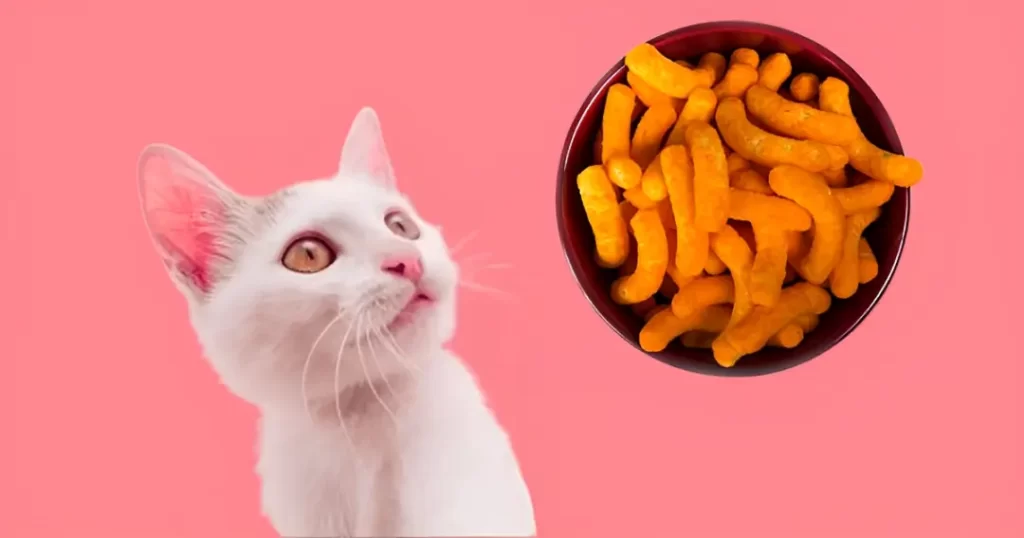
Here’s the hard truth: Cheetos are not cat-friendly. While one tiny lick might not cause immediate harm, Cheetos are loaded with preservatives, artificial colors, sodium, garlic powder, and flavor enhancers—all of which can irritate or even endanger your cat’s health. And let’s not forget: cats are obligate carnivores, not snack junkies.
In this guide, we’ll break down what’s really inside a Cheeto, why different flavors can pose unique risks, and what to do if your curious kitty has already had a nibble. By the end, you’ll know exactly why Cheetos should stay off your cat’s snack menu—and what better, safer alternatives you can offer instead.
Related Post: Can Cats Taste Spicy Foods Safely?
Why Cheetos Are Harmful for Cats
While cats aren’t drawn to sugar like dogs, the crunch, salt, and smell of Cheetos can still tempt them. A nibble might not be dangerous, but eating multiple pieces can cause vomiting, diarrhea, or appetite loss, especially since cats aren’t built to handle processed, salty human snacks.
Spicy Cheetos are even worse. Beyond the artificial flavorings and preservatives, they contain onion and garlic powders, both of which are toxic to cats. In larger quantities, these ingredients can damage red blood cells and lead to anemia, a potentially life-threatening condition.
Cheetos may not be deadly in small doses, but they don’t belong in your cat’s diet. If your cat has eaten several Cheetos—especially spicy ones—call your vet or contact the Pet Poison Helpline (1-855-213-6680) for immediate advice.
Why Cheese Puffs and Cheese Balls Don’t Belong in a Cat’s Diet
Cats are obligate carnivores, meaning their bodies thrive on meat-based proteins, not carbs, additives, or dairy byproducts. In contrast, cheese puffs and cheese balls are ultra-processed snacks made from cornmeal, artificial flavors, and cheese powders—none of which serve a nutritional purpose for felines.
Feeding your cat these snacks can lead to digestive upset, unnecessary weight gain, and nutrient imbalances. While the occasional lick might not be harmful, cheese snacks are empty calories for your cat and can disrupt their sensitive digestive systems. For long-term health, it’s best to keep cheese puffs—and similar human treats—off the menu.
Can Cats Eat Cheese Puffs and Cheese Balls?
No, cats should avoid cheese puffs and cheese balls. These snacks may not be toxic in small amounts, but they’re filled with empty calories, sodium, and artificial additives that offer zero nutritional value to felines. Cats lack the digestive enzymes needed to handle the carbs and processed ingredients in these treats. Even a small piece can upset their stomach or contribute to long-term issues like obesity or digestive discomfort.
Cats Shouldn’t Eat Cheetos
A single lick or nibble of a Cheeto isn’t likely to harm your cat, but that doesn’t mean it’s safe. These crunchy snacks can irritate their stomach and provide nothing their body needs. While an accidental bite isn’t dangerous, regularly sharing Cheetos with your cat is a habit best avoided.
Related Post: Can Cats Eat Spam? Causes, Concerns & Safe Solutions!
Human Foods Cats Should Avoid
While cats may show interest in the food on your plate, many human ingredients can pose serious health threats to their delicate systems. Here are seven dangerous foods that responsible cat parents should never offer:
1. Baby Food
Though often marketed as gentle, baby food may contain onion or garlic powders—two ingredients highly toxic to cats. Using these seasonings can lead to red blood cell damage and the onset of hemolytic anemia. For safe nutrition, stick with vet-approved wet cat food instead.
2. Chocolate
Even a small piece of chocolate can be lethal. It contains theobromine, especially in dark and baking varieties, which can trigger seizures, tremors, and heart issues in cats. No form of chocolate is safe.
3. Garlic and Onion (Allium Family)
Whether raw, cooked, or powdered, garlic and onion can cause irreversible damage to your cat’s red blood cells, leading to severe anemia. These are often hidden in sauces, broths, and processed snacks.
4. Alcohol
Ingesting even small amounts may result in vomiting, disorientation, respiratory failure, or coma. Alcohol is never safe—even in trace amounts.
5. Dairy Products
Despite the stereotype, most adult cats are lactose-intolerant. Milk, cheese, and other dairy products can lead to an upset stomach, diarrhea, and bloating. Avoid dairy-heavy human foods and opt for lactose-free cat treats if needed.
6. Raw Meat
Uncooked meats may carry Salmonella or E. coli, which can cause severe gastrointestinal infections. Tiny bones in raw meat also pose choking hazards and risk intestinal blockages. Always serve protein well-cooked and boneless.
7. Canned Tuna (in Oil)
While tuna is a favorite among felines, canned tuna packed in oil can lead to steatitis (yellow fat disease), a painful condition caused by excessive unsaturated fats. Symptoms include lethargy, fever, and inflammation in fat tissues.
How Can Cheese Puffs and Cheese Balls Pose a Risk to Cats?
Cheese puffs and cheese balls may seem harmless, but they pose serious risks to your cat’s health due to their artificial ingredients and excessive sodium content. Packed with salt, chemical preservatives, and artificial cheese flavoring, these crunchy snacks are a nutritional nightmare for felines. Cats are especially sensitive to high sodium, which can lead to dehydration, elevated blood pressure, kidney stress, and in extreme cases, salt poisoning. Additives and synthetic flavors can also trigger digestive issues or food allergies, making even a few bites a bad idea. While one nibble might not be deadly, offering these snacks regularly can compromise your cat’s long-term health.
Do Cats Like Cheetos?
Cats are naturally curious and sometimes drawn to the bold aroma of human snacks like Cheetos. While not all felines will show interest, the salty, cheesy scent may tempt some to take a lick or nibble. However, this interest isn’t based on taste or nutrition—cats lack taste receptors for sweetness and are obligate carnivores, so their bodies crave meat, not processed snacks. If your kitty seems intrigued by Cheetos, it’s more about the novelty than genuine enjoyment. But no matter their curiosity, Cheetos offer zero nutritional value and are best kept far from your cat’s bowl.
Why Is Sodium Content Important for Cats?
Sodium plays a crucial role in maintaining a cat’s fluid balance, nerve function, and overall cellular health. While cats can tolerate small amounts of sodium, excessive intake can lead to serious health issues. Most commercially available pet foods are formulated with just the right amount of sodium to support your cat’s health without overloading their system. However, when cats consume too much sodium, it can lead to dehydration, increased thirst, and kidney strain, especially in the long run. It’s important to monitor what your cat consumes, ensuring their diet is well-balanced and avoids high-sodium human snacks or food items. A mindful approach to sodium helps keep your feline healthy and hydrated.
Cheesy Alternatives for Cats: Healthier Treats You Can Offer
While it may be tempting to share a cheesy snack like Cheetos with your cat, there are much better, feline-friendly alternatives designed specifically for their digestive needs. Many treats on the market today offer the cheesy flavors your kitty loves, but in a safe, nutritionally balanced form.
If you’re looking for an excellent treat to complement your cat’s diet, opt for cheese-flavored treats formulated just for them. These treats are made with high-quality ingredients and have the right balance of nutrients, ensuring that your cat enjoys the flavor without the health risks of human snacks.
Additionally, when serving food or treats, the Hepper NomNom – Spill-Proof Elevated Cat Bowl provides an innovative and functional solution. This spill-proof design keeps mealtime tidy and ensures that your cat can enjoy their food comfortably with minimal mess.
By choosing safe and specially designed treats and accessories, you’re not only satisfying your cat’s cravings but also contributing to their overall health and happiness.
When Are Cheetos Safe for Cats to Eat?
While Cheetos aren’t inherently toxic to cats, they are not an ideal snack for your feline friend. If your cat happens to sneak a small bite of a plain Cheeto while you’re lounging on the couch, there’s generally no immediate cause for concern. The ingredients in Cheetos, such as cornmeal and cheese powder, are non-toxic, but they don’t provide any nutritional benefit to your cat and could cause digestive upset if consumed frequently. Additionally, avoid offering spicier varieties, as the added seasonings, including garlic and onion powder, can be harmful to your cat’s health.
In short, while an occasional tiny bite of Cheeto may not cause harm, it’s always best to stick with treats designed for cats to ensure their well-being.
Are Cheetos Safe for Cats to Eat?
While cats may occasionally show interest in human snacks like Cheetos, it’s important to understand that these snacks are not suitable for feline consumption. Cheetos are highly processed and packed with artificial flavorings, preservatives, and excessive amounts of salt — ingredients that can cause digestive issues and health complications for your cat.
Cats are obligate carnivores, meaning their bodies are designed to process high-protein, low-carbohydrate diets. Cheetos, which are made from cornmeal and flavored with artificial cheese, are a far cry from what your cat’s digestive system needs. While a single small piece of Cheeto may not cause immediate harm, feeding them this type of snack regularly can contribute to obesity, gastrointestinal upset, and potentially more severe conditions like kidney issues from excessive salt intake.
It’s best to avoid giving Cheetos to your cat and stick to cat-friendly treats that are nutritionally balanced. These treats will provide the taste your cat enjoys without the risks associated with human snack foods.
When Are Cheetos Bad for Cats?
While a small amount of Cheetos is unlikely to harm your cat, they should not be a regular part of your pet’s diet. Cheetos are highly processed, containing artificial flavorings, excessive salt, and unhealthy fats that have little nutritional value for cats. Over time, consuming these ingredients can lead to weight gain, dehydration, digestive upset, and more serious health issues like kidney problems.
The main concerns with Cheetos for cats are their high sodium content and the presence of artificial flavorings. Too much sodium can cause dehydration and electrolyte imbalances, which is especially concerning for cats with pre-existing health conditions like kidney disease. Additionally, the chemical additives in Cheetos, such as preservatives and artificial cheese flavoring, may not sit well with your cat’s digestive system, leading to nausea or gastrointestinal distress.
Risks of Eating Cheese Puffs and Cheese Balls for Cats
Feeding your cat cheese puffs or cheese balls can present significant health risks, as these snacks are not suitable for their delicate digestive system. Being obligate carnivores, cats require protein-based nutrition and aren’t equipped to handle processed foods high in fats, sugars, and chemical flavor enhancers.
Digestive Upset: Cheese puffs are high in fats and artificial ingredients, which can overwhelm your cat’s sensitive stomach. Consuming even a small amount may cause vomiting, diarrhea, or abdominal pain. Cats lack the enzymes required to break down large amounts of fat and carbohydrates, making such foods difficult to digest.
Weight Gain and Obesity: Cheese puffs are calorie-dense and carbohydrate-heavy. When cats regularly consume foods like cheese puffs, they risk weight gain, which can lead to obesity. Obesity in cats increases the risk of serious health issues such as diabetes, joint problems, and reduced life expectancy.
Pancreatitis: The high-fat content of cheese puffs can strain your cat’s pancreas, potentially leading to pancreatitis. This condition causes inflammation of the pancreas, resulting in severe pain, digestive issues, and, if untreated, life-threatening complications.
Kidney Stress: Cheese puffs also contain high levels of salt, which, when consumed frequently, can cause dehydration and put unnecessary strain on your cat’s kidneys. Over time, this can lead to kidney disease, a common issue in older cats.
Toxic Ingredients: Some cheese-flavored snacks may also contain ingredients like onion or garlic powder, both of which are toxic to cats and can cause severe health complications such as hemolytic anemia.
What to Do If Your Cat Consumes a Large Amount of Cheese Puffs?
If your cat has eaten a significant amount of cheese puffs, it’s essential to act quickly to prevent any potential health issues. While an occasional small bite may not be harmful, a large intake of cheese puffs can lead to digestive distress, weight gain, pancreatitis, or even kidney problems. Here’s what you should do:
Monitor for Symptoms
Watch for any signs of discomfort or distress in your cat, such as vomiting, diarrhea, lethargy, or abdominal pain. If your cat seems overly thirsty, is urinating more frequently, or shows signs of dehydration, these may be warning signs of salt poisoning or kidney stress.
Contact Your Veterinarian
Even if your cat seems fine initially, it’s always a good idea to call your vet. Describe how many cheese puffs your cat consumed, the time of ingestion, and any symptoms you’re observing. Your vet will be able to assess whether your cat needs treatment and advise on next steps. They may recommend bringing your cat in for a check-up, especially if they have consumed a large quantity of cheese puffs.
Hydration is Key
If your cat is experiencing vomiting or diarrhea, dehydration can quickly become a concern. If dehydration is severe, your vet may recommend fluids administered intravenously.
Avoid Future Occurrences
After your cat has recovered, take extra precautions to prevent them from consuming harmful snacks again. Store foods out of their reach, and avoid offering human snacks that aren’t appropriate for cats. Keeping a close eye on what your cat has access to can prevent any future dietary mishaps.
How Should You Respond If Your Cat Ingests Cheese Puffs?
If your cat eats cheese puffs, it’s typically not an immediate emergency, but it’s important to monitor them closely. While a small amount might not cause harm, excessive consumption can lead to digestive issues like vomiting, diarrhea, and even dehydration. More serious symptoms, such as lethargy, loss of appetite, or tremors, could indicate more severe reactions like pancreatitis. In such cases, it’s crucial to contact your vet right away for advice. If you can’t visit a clinic, consider using online vet services like PangoVet for guidance. To prevent health risks such as obesity and kidney issues, it’s best to avoid feeding your cat processed snacks like cheese puffs altogether.
Final Thoughts:
Although it may seem harmless to share a snack with your cat, Cheetos are far from an ideal choice for feline consumption. While the crunchy, cheesy flavor may entice your pet, these snacks offer no nutritional benefits and can be harmful to your cat’s health. With high levels of sodium, unhealthy fats, and artificial additives, Cheetos can disrupt your cat’s digestive system, lead to dehydration, and even contribute to long-term health problems like obesity and pancreatitis. While an occasional small piece may not cause immediate harm, regularly feeding your cat human junk food can have serious consequences. For your cat’s optimal well-being, choose cat-friendly treats that provide the right balance of nutrients. Always prioritize your pet’s health over momentary indulgences, and consult your veterinarian for guidance on safe and healthy snacks. Your cat deserves the best care, and that starts with making informed, thoughtful choices about their diet.
Frequently Asked Questions (FAQs)
Can a small amount of Cheetos harm my cat?
A small amount likely won’t cause harm, but it offers no nutritional value and could upset your cat’s digestion.
Why are Cheetos harmful to cats?
Cheetos contain excess salt, unhealthy fats, and artificial additives that can cause digestive issues and long-term health problems.
Are cheese puffs or chips safe for cats?
No, they’re high in fats and sodium, which can harm your cat’s health.
What should I do if my cat eats Cheetos?
Monitor for symptoms like vomiting or lethargy, and contact your vet if needed.
What are better alternatives for my cat?
Offer cat-safe treats or small portions of cooked, unseasoned meat.
Are there long-term effects of feeding Cheetos to cats?
Yes, it can lead to obesity, digestive issues, and other health problems.
For More Visits: Animalsinfo
Also Read: Can Cats Eat Seaweed Safely? Shocking Truths & Safety Tips!