



Can Cats Eat Seaweed? Exploring the Nutritional Benefits of Marine Plants for Your Feline Friend
Yes, cats can safely eat seaweed in moderation! Seaweed, along with other marine plants, is a nutrient-packed superfood that can offer various health benefits to your cat when incorporated into their diet in appropriate amounts. These sea vegetables are rich in protein, fiber, essential fatty acids, vitamins, and trace minerals, all of which can support your cat’s overall health and well-being.
In this blog, we’ll dive into the nutritional benefits of seaweed for cats, discuss the best sources of these nutrients, and provide tips on how to safely introduce seaweed into your cat’s diet.
Can Cats Have Seaweed? A Safe and Nutritious Treat for Your Feline
Yes, cats can have seaweed! When prepared correctly, plain and unseasoned seaweed offers several health benefits to your cat. However, it’s important to ensure that the seaweed is free from harmful additives or preservatives, as processed seaweed can sometimes contain unsafe ingredients.
Seaweed can be considered a healthy snack for your cat when given in moderation, as it provides essential nutrients, including vitamins, minerals, protein, and fiber. There are no known seaweed species that are toxic to cats, and while some varieties may contain trace heavy metals, these are typically not a concern unless the seaweed is consumed in excessive amounts.
Not all cats will enjoy seaweed, and that’s okay. Cats are obligate carnivores and are not naturally inclined to eat plant-based foods. For those who do enjoy it, seaweed can be used as an occasional treat or supplement to enhance their diet with additional nutrients and variety.
When feeding seaweed to your cat, always choose plain, unseasoned varieties, and introduce it gradually to avoid any gastrointestinal upset. Consult your veterinarian before adding any new food to your cat’s diet to ensure it aligns with their health needs.
Related Post: Can Cats Eat Spam? Causes, Concerns & Safe Solutions!
Introducing Kelp to Your Cat’s Diet: A Cautious Approach
When adding kelp to your cat’s diet, whether they eat dry food or canned wet food, it’s crucial to proceed with care and consult a veterinarian. Here are some key tips for a safe and gradual introduction of kelp:
- Start Slowly: Kelp is rich in iodine, which, in large amounts, can cause issues like vomiting, diarrhea, and excessive thirst. Begin with a small sprinkle and gradually increase the quantity under veterinary guidance.
- Consider Existing Health Conditions: Kelp can impact thyroid health, so it’s vital to discuss its introduction with your vet, especially if your cat has thyroid issues or is on medication.
- Choose Pet-Specific Products: Avoid raw kelp due to the risk of contamination with heavy metals or bacteria. Opt for pet-safe kelp supplements or treats specifically formulated for cats.
- Avoid Digestive upset: Start by mixing a small amount with your cat’s regular food, then slowly increase the amount.
Can Cats Eat Seaweed Sheets? A Safe and Occasional Treat
These sheets, commonly used for sushi or wraps, can be a safe, nutrient-rich treat when offered in moderation. However, it’s important to ensure that the seaweed sheets contain no added ingredients like salt, soy sauce, or seasonings, as these can be harmful to cats.
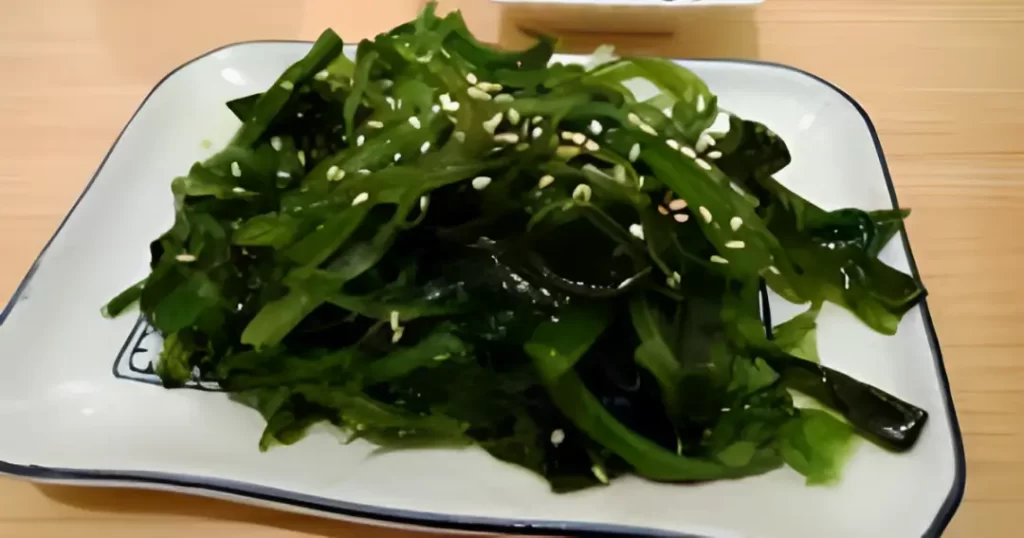
But as with any treat, they should only be given occasionally and in small amounts. Always keep an eye on your cat for any signs of discomfort after consuming new foods. Make sure to choose plain seaweed sheets with minimal processing to keep your cat’s diet healthy and safe.
Related Post: Can Cats Taste Spicy Foods Safely?
Can Cats Eat Nori? A Safe and Tasty Treat in Moderation
Yes, cats can eat plain nori, a type of Japanese seaweed, but only in moderation. When offered as a treat, plain nori can be a safe, nutrient-rich option for your cat, as it contains vitamins, minerals, and fiber.
However, caution is necessary. Many commercially available nori sheets are treated with preservatives or salt, which can be harmful to cats. Always check the label and ensure that the nori is plain with no added ingredients. If your cat enjoys sushi, they may naturally consume nori, but always ensure the sushi has no toxic ingredients like soy sauce or spices.
As with all treats, offer nori in small amounts and observe your cat for any signs of discomfort. When fed occasionally, plain nori can provide a healthy, crunchy snack that complements your cat’s diet.
The Nutritional Power of Seaweed for Cats: Benefits and Considerations
Seaweed is a nutrient-packed superfood, rich in essential proteins, fiber, vitamins, trace minerals, and antioxidants. These nutrients help support your cat’s overall health, promote a strong immune system, and boost skin and coat quality. However, not all seaweed varieties are equally beneficial—some can be high in sodium, contain heavy metals, or excessive iodine, which can be harmful to your cat if consumed in large amounts.
Among the safest options, kelp stands out. When fed in moderation, kelp offers valuable health benefits for cats, particularly its high fiber content that aids digestion and supports immune function. As with any new addition to your cat’s diet, it’s important to consult with your vet to ensure the appropriate amount is given, keeping your cat’s health and safety in mind.
Is Seaweed Good for Cats?
Yes, when given in moderation, seaweed can offer several health benefits for cats. However, it should only be used as a supplement and never replace a balanced cat food diet. Feeding seaweed in small quantities is essential, as some dried seaweeds can expand in the stomach, potentially causing a blockage.
Here are the key benefits of seaweed for cats:
- Promotes Gut Health: Seaweed is rich in prebiotics that help support healthy digestion, regulate intestinal motility, and alleviate constipation.
- Improves Coat and Skin: The amino acids and omega-3 fatty acids in seaweed contribute to a shinier and healthier coat for your cat.
- Rich in Nutrients: Seaweed contains essential vitamins, minerals, and antioxidants that can reduce free radicals, decrease inflammation, and support overall well-being.
Can Cats Eat Seaweed? It Can Be Healthy for Them – In the Right Amounts
Whether you’re feeding them commercial pet food, a raw diet, or a combination of both, it’s important to carefully consider what goes into their meals. One question many cat owners ask is, “Can cats eat seaweed?” While it may seem unusual, seaweed can be a healthy addition to your cat’s diet when given in moderation.
Benefits of Using Seaweed in Cat Food
Incorporating seaweed into your cat’s diet can provide a range of significant benefits that contribute to their overall health and well-being. As a natural superfood, seaweed is packed with essential nutrients and bioactive compounds that can enrich your cat’s life in the following ways:
- Promotes Gut Health: Seaweed is rich in prebiotics, which help nourish the beneficial bacteria in your cat’s digestive system. This can enhance digestion, nutrient absorption, and boost immune function, keeping your cat’s gut in top shape.
- Improves Coat Quality: The omega-3 fatty acids in seaweed play a key role in maintaining a healthy, shiny coat. These fats help keep the fur silky smooth while reducing the risk of weight gain, a common problem with high-fat diets.
- Reduces Free Radical Damage: Antioxidants found in seaweed help fight oxidative stress, protecting your cat’s cells from the harmful effects of free radicals. This can promote long-term health and resilience against diseases, while also slowing the aging process.
Seaweed to Avoid for Cats
While seaweed can provide numerous health benefits for cats, it’s essential to be cautious about the types you feed them. Flavored or spiced seaweed, such as that containing wasabi, salt, or other seasonings, can cause digestive upset or health problems due to excess sodium or irritants. Additionally, processed seaweed snacks like chips, crackers, or other pre-packaged options often contain unhealthy additives, including excessive salt, preservatives, and extra calories, which are not suitable for cats.If you’re unsure about the product, review the packaging for added ingredients or consult your veterinarian for advice. By sticking to simple, unflavored seaweed, you can help ensure your cat benefits from this nutritious treat without the associated risks.
How to Safely Feed Seaweed to Your Cat
Although some types of seaweed are safe for cats, they are obligate carnivores, meaning their diet should mainly consist of animal protein. Seaweed should only be considered as a treat, supplement, or occasional snack, and not a regular part of their diet.
Seaweed can be beneficial in small amounts, but it’s important to control portions since it naturally contains high levels of iodine, which could be harmful in excessive quantities.Serve small pieces of it once a week, not daily. You can break the seaweed into tiny bits and mix it with their regular food as a supplement. It’s essential to ensure it is served occasionally, not as a daily addition to their diet.
Final Thoughts: Can Cats Eat Seaweed?
While seaweed can offer some unique health benefits for cats, it should be viewed as an occasional supplement rather than a dietary staple. As obligate carnivores, cats primarily require animal-based proteins, and seaweed does not provide the essential nutrients they need to thrive. When fed in moderation, plain, unseasoned seaweed can support your cat’s gut health, improve skin and coat condition, and provide valuable antioxidants and omega-3 fatty acids.
However, it’s crucial to avoid processed or flavored seaweed products, which may contain harmful ingredients like salt, spices, and preservatives that can lead to digestive upset or long-term health issues. Additionally, seaweed’s high iodine content necessitates careful portion control, as overconsumption can lead to thyroid imbalances.
By offering seaweed as an occasional treat or supplement in small, controlled amounts, you can provide your cat with the benefits of this superfood without the risks. Always prioritize your cat’s overall health with a balanced diet that meets all of their nutritional requirements.
FAQs: Can Cats Eat Seaweed?
Can cats eat seaweed?
Yes, cats can eat plain, unseasoned seaweed in moderation as a supplement or treat.
Is seaweed toxic to cats?
No, seaweed is not toxic to cats when consumed in small amounts, but avoid flavored or processed versions.
What Are the Positive Effects of Feeding Seaweed to Cats?
Seaweed offers benefits like improved digestion, healthier skin and coat, and antioxidant properties.
Can seaweed cause any health problems in cats?
Excessive amounts of seaweed can lead to iodine disruption and digestive troubles like vomiting or diarrhea.
How often should I feed my cat seaweed?
Feed seaweed once a week in small amounts, not as a daily part of their diet.
Is nori safe for cats?
Yes, plain nori is safe for cats in small amounts, but avoid those with added salt or seasonings.
Can seaweed help with my cat’s coat?
Yes, omega-3 fatty acids in seaweed can improve the condition of your cat’s coat and skin.
For More Visits: AnimalsInfo
Also Read: Can Dogs Eat Swedish Fish? 8 Disadvantages You Can’t Ignore!


