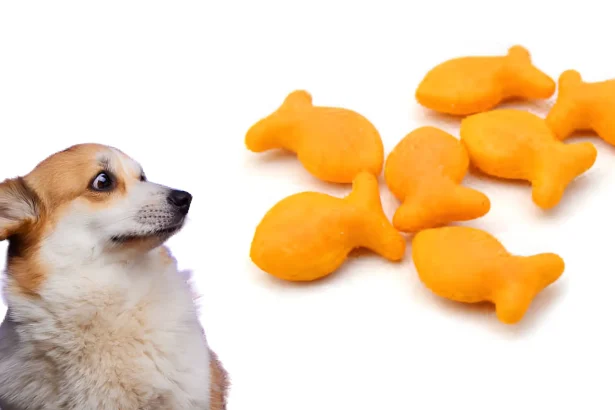



Dogs are curious creatures, and anyone who owns one knows how quickly they try to grab snacks off the table. Among the many foods dogs may beg for, Wheat Thins are one of the common ones since people often snack on them at home. These popular crackers may be tasty for humans, but many dog owners wonder: is can dogs have wheat thins safely?
The short answer is that Wheat Thins are not toxic to dogs, but they are not recommended as a regular treat. These crackers contain ingredients like salt, sugar, and oils that are not healthy for dogs and can lead to problems if consumed often or in large amounts. To fully understand whether Wheat Thins should ever be shared with your furry friend, let’s dive deeper into their ingredients, risks, and healthier alternatives.
What Are Wheat Thins?
Wheat Thins are a brand of snack crackers made primarily from whole grain wheat. They are baked rather than fried, which makes them appear healthier than some other snack foods. A single serving (about 16 crackers) contains:
- Calories: ~140
- Fat: ~5g
- Sodium: ~200mg
- Sugar: ~5g
- Carbohydrates: ~22g
These numbers don’t seem extreme for humans, but for a dog, especially a small one, the fat, sodium, and sugar can quickly add up.
Is It Safe for Dogs to Eat Wheat Thins?
Technically, a dog can eat a small piece of a Wheat Thin without getting sick immediately. It’s not toxic like chocolate, grapes, or onions. However, just because something is not toxic does not make it healthy.
Dogs do not need processed snacks like crackers in their diet. Their bodies are designed to thrive on animal protein, healthy fats, and some safe vegetables. Wheat Thins, on the other hand, are processed with added oils, sugars, and seasonings that can cause harm if eaten regularly.
So, while one or two crackers every once in a while may not hurt your dog, it’s best to avoid making Wheat Thins a regular snack.
Risks of Feeding Wheat Thins to Dogs
There are several reasons why Wheat Thins are not ideal for dogs.
1. High Sodium Levels
Dogs are sensitive to salt. Too much sodium can cause excessive thirst, dehydration, and in severe cases, sodium ion poisoning. Wheat Thins have enough salt to be concerning if given regularly.
2. Added Sugar
While humans enjoy a little sweetness, dogs don’t need added sugar in their diet. Sugar can lead to weight gain, dental issues, and increase the risk of diabetes in dogs.
3. Unhealthy Oils and Fats
Many Wheat Thins varieties are made with canola oil or soybean oil. These aren’t toxic, but the unnecessary fats contribute to obesity and may lead to pancreatitis in some dogs.
4. Potential Allergens
Some dogs have sensitivities or allergies to wheat and grains. Feeding them Wheat Thins could cause itching, digestive upset, or skin irritation.
5. Empty Calories
Wheat Thins don’t provide any real nutritional benefit to dogs. They’re mostly carbohydrates, which dogs don’t require in large amounts.
Can Dogs Eat Different Varieties of Wheat Thins?
There are multiple flavors of Wheat Thins, and some are worse than others for dogs:
- Original Wheat Thins: Not toxic, but still high in salt and sugar.
- Reduced Fat Wheat Thins: Slightly lower in fat but still unhealthy.
- Flavor Variants (Garlic, Onion, Spicy): Dangerous for dogs. Garlic and onion powders are toxic and can damage red blood cells.
- Sweet Flavors (Honey, Cinnamon): Contain sugar and possibly artificial sweeteners, which should be avoided.
Clearly, most varieties of Wheat Thins are unsuitable for dogs.
Are There Any Benefits to Dogs Eating Wheat Thins?
On the surface, Wheat Thins may appear somewhat healthy since they are whole-grain and baked. They contain fiber and a small amount of protein, which could help digestion. However, the risks far outweigh these minor benefits. Dogs can get fiber and protein from safer sources like vegetables and lean meats.
How Much Wheat Thins Can a Dog Eat?
If your dog accidentally eats a couple of Wheat Thins, don’t panic. The small amount is unlikely to cause harm. However:
- Small dogs: No more than 1–2 crackers occasionally.
- Medium dogs: 2–3 crackers at most.
- Large dogs: 3–4 crackers, but only rarely.
This should never be a daily snack. Think of Wheat Thins as a “once in a blue moon” kind of treat, not a regular part of your dog’s diet.
Healthier Alternatives to Wheat Thins for Dogs
If you want to give your dog a crunchy snack, there are better and safer options:
- Carrot sticks: Crunchy, low in calories, and full of vitamins.
- Apple slices: Sweet and safe, but avoid seeds.
- Cucumber slices: Refreshing and hydrating.
- Dog biscuits: Specifically made for canine nutrition.
- Rice cakes (plain, unsalted): A safer human snack alternative if you want to share something light.
These provide the same satisfying crunch without the health risks.
Can Puppies Eat Wheat Thins?
Puppies should not eat Wheat Thins. Their digestive systems are more sensitive, and processed snacks can easily cause stomach upset, diarrhea, or long-term issues with nutrition. Puppies need a diet rich in high-quality protein and essential vitamins to support growth, not salty crackers.
What To Do If Your Dog Eats Too Many Wheat Thins
If your dog gets into a box of Wheat Thins and eats a large amount, monitor closely. Symptoms to watch for include:
- Excessive thirst
- Vomiting or diarrhea
- Lethargy
- Loss of coordination
If you see any of these, call your veterinarian immediately. Salt poisoning is a real risk if a dog eats too many crackers.
FAQs About Dogs and Wheat Thins
Q1: Is can dogs have wheat thins safely in small amounts?
Yes, a small piece is usually safe, but it should not be a regular snack.
Q2: Are Wheat Thins toxic to dogs?
No, they are not toxic like chocolate or grapes, but they are unhealthy.
Q3: What happens if my dog eats a lot of Wheat Thins?
Large amounts can cause stomach upset, dehydration, or sodium poisoning.
Q4: Can dogs eat flavored Wheat Thins?
No. Flavored varieties often contain garlic, onion, or excess sugar, which are harmful to dogs.
Q5: Are Wheat Thins better than potato chips for dogs?
While less greasy than chips, Wheat Thins are still not good for dogs. Neither should be fed regularly.
Q6: Can Wheat Thins be used for dog training?
It’s not recommended. Use healthy dog treats or small pieces of chicken instead.
Q7: Can grain-free dogs eat Wheat Thins?
No, dogs on grain-free diets likely have sensitivities, so Wheat Thins would be harmful.
Final Thoughts
So, is can dogs have wheat thins? While Wheat Thins are not poisonous, they are not a healthy choice for dogs. A tiny bite every once in a while won’t harm most dogs, but the high salt, sugar, and fat make them unsuitable as a snack. Dogs thrive on natural, protein-rich foods and safe fruits or vegetables—not processed human crackers.
If you really want to give your dog something crunchy, stick to carrots, cucumbers, or vet-approved treats. Your pup will enjoy them just as much, and you’ll have peace of mind knowing you’re keeping them healthy.
For More Visits: Animalsinfo
Also Read: Can Dogs Have Provolone Cheese – 7 Amazing Facts 2025