

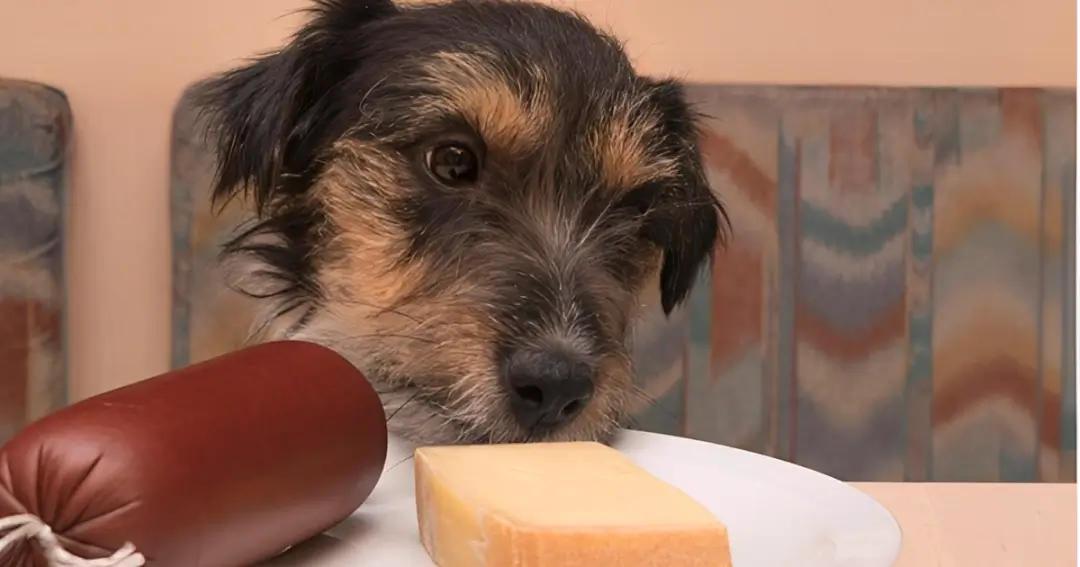
When it comes to sharing food with dogs, many owners are unsure about which human snacks are safe. Cheese, for example, is a favorite treat for many pets, but not all varieties are suitable for canine health. This brings us to the question: is can dogs have provolone cheese? The answer isn’t as simple as yes or no. While provolone cheese is not inherently toxic, its nutritional content and potential risks mean it should be approached with caution.
In this detailed article, we’ll explore whether dogs can safely eat provolone cheese, the nutritional breakdown, possible health benefits, and the risks involved. We’ll also cover safe serving tips, alternatives, and frequently asked questions from pet owners.
Related Post: Can Dogs Have Muenster Cheese? Healthy Facts 2025
Understanding Provolone Cheese
Provolone is a semi-hard Italian cheese known for its smooth texture and mild to sharp flavor depending on how long it has been aged. It’s often used in sandwiches, pasta dishes, or eaten on its own as a snack. Like other cheeses, provolone is made from cow’s milk and contains proteins, fats, vitamins, and minerals.
For humans, it can be a tasty and nutritious addition to meals. But when it comes to dogs, the story is more complex. While dogs can digest some dairy, many struggle with lactose, which is present in varying levels in cheeses like provolone.
Is Provolone Cheese Safe for Dogs?
The direct answer is: yes, dogs can technically eat provolone cheese in very small amounts, but it’s not an ideal food for them.
Here’s why:
- Lactose content: Many dogs are lactose intolerant, meaning dairy products can upset their digestive system.
- High fat levels: Provolone contains saturated fats that may contribute to obesity or pancreatitis in dogs if fed regularly.
- Salt and preservatives: Cheese is usually high in sodium, which can strain a dog’s kidneys and overall health.
So while a tiny bite of provolone might not cause immediate harm, making it a regular treat could lead to long-term health issues.
Nutritional Breakdown of Provolone Cheese
A typical one-ounce (28g) serving of provolone cheese contains approximately:
- Calories: 98
- Protein: 7g
- Fat: 7g (4.8g saturated)
- Carbohydrates: 1g
- Calcium: 19% of daily human needs
- Sodium: 248mg
For humans, this offers a good source of protein and calcium. For dogs, however, the sodium and fat levels are concerning, especially if consumed frequently.
Potential Benefits of Dogs Eating Small Amounts of Provolone
Although not the best choice, provolone cheese does have a few potential benefits if given in moderation:
- High in protein: Dogs thrive on protein, and cheese can provide an extra boost.
- Calcium content: Calcium supports healthy teeth and bones.
- Training aid: Small cheese cubes are often used as high-value rewards during training sessions.
- Medication helper: Many dog owners hide pills in small cheese pieces to make medication easier to swallow.
However, these benefits can also be achieved with safer alternatives, so provolone should not be the first choice.
Risks of Feeding Provolone Cheese to Dogs
While an occasional bite won’t usually cause harm, there are several risks tied to feeding provolone cheese:
1. Digestive Upset
Dogs with lactose intolerance may experience bloating, gas, diarrhea, or vomiting after eating cheese.
2. Obesity and Weight Gain
The high fat and calorie content can quickly add up, especially in smaller dog breeds.
3. Sodium Overload
Too much sodium can raise blood pressure and cause kidney strain in dogs.
4. Pancreatitis Risk
Fatty foods like cheese can trigger pancreatitis, a painful and dangerous inflammation of the pancreas.
5. Allergic Reactions
Some dogs may be allergic to dairy proteins, leading to itchy skin, ear infections, or stomach upset.
How Much Provolone Cheese Can Dogs Eat?
If you really want to share a bite of provolone cheese with your dog, keep the portion extremely small. A tiny cube or shred once in a while should not cause harm for most healthy dogs.
- Small breeds: Just a pea-sized piece, no more than once a week.
- Medium breeds: A small cube, given occasionally, not daily.
- Large breeds: Slightly larger pieces, but still no more than a few bites per month.
Never make cheese a routine part of your dog’s diet, and avoid giving it to dogs with known lactose intolerance or sensitive stomachs.
Safer Alternatives to Provolone Cheese
If you want to give your dog a cheesy snack without the risks of provolone, consider these safer options:
- Low-fat mozzarella: Lower in fat and easier to digest.
- Cottage cheese: Contains less lactose and can be mixed with dog food.
- Special dog-safe cheese treats: Many pet stores sell cheese-flavored snacks designed specifically for dogs.
These choices reduce the risks while still offering a tasty treat.
Can Dogs Have Provolone Cheese?
Puppies should generally avoid provolone cheese. Their digestive systems are more sensitive, and introducing dairy too early can cause stomach upset or diarrhea. Instead, stick to puppy-safe treats designed to support growth and health.
When to Avoid Cheese Entirely
Cheese should not be given to dogs that:
- Are overweight or obese
- Have kidney problems
- Suffer from pancreatitis
- Show signs of lactose intolerance
- Have food allergies
In such cases, cheese can worsen their condition and should be strictly avoided.
Expert Tips for Feeding Cheese Safely
- Use sparingly: Treat cheese as a special reward, not a daily snack.
- Watch for reactions: Monitor your dog after feeding cheese for signs of stomach upset.
- Cut into small pieces: Smaller amounts reduce the risk of overfeeding.
- Never season: Cheese with garlic, onions, or spices is toxic to dogs.
- Balance the diet: Cheese should never replace your dog’s regular balanced meals.
FAQs on Dogs and Provolone Cheese
Q1: Is provolone cheese toxic to dogs?
No, provolone is not toxic, but it can cause digestive upset, weight gain, and other health issues if fed in large amounts.
Q2: Can dogs eat provolone cheese daily?
No. Cheese should only be given occasionally as a rare treat, not a daily snack.
Q3: What should I do if my dog eats too much provolone cheese?
Monitor for vomiting, diarrhea, or bloating. If symptoms persist, contact your veterinarian.
Q4: Are there better cheese options for dogs?
Yes, low-fat mozzarella or plain cottage cheese are safer and easier to digest.
Q5: Can provolone cheese help with giving dogs medicine?
Yes, but use only tiny amounts to hide pills, and don’t rely on it regularly.
Q6: Can lactose-intolerant dogs eat cheese at all?
Most lactose-intolerant dogs should avoid cheese. Some may tolerate small amounts of lactose-free cheese.
Q7: Is provolone cheese good for puppies?
No, puppies should not eat provolone cheese due to their sensitive digestion.
Final Thoughts
So, is can dogs have provolone cheese? The short answer is yes, but only in tiny amounts and on rare occasions. While it’s not toxic, the high fat, sodium, and lactose content make it a poor choice for regular snacking. Safer alternatives like cottage cheese or low-fat mozzarella provide the taste without the same risks.
As a responsible pet owner, always prioritize your dog’s long-term health over short-term indulgence. If in doubt, consult your veterinarian before introducing any new food.
For More Visits: Animalsinfo
Also Read: Reviews Can Dogs Eat Crab 2025 – Healthy Choice Guide