


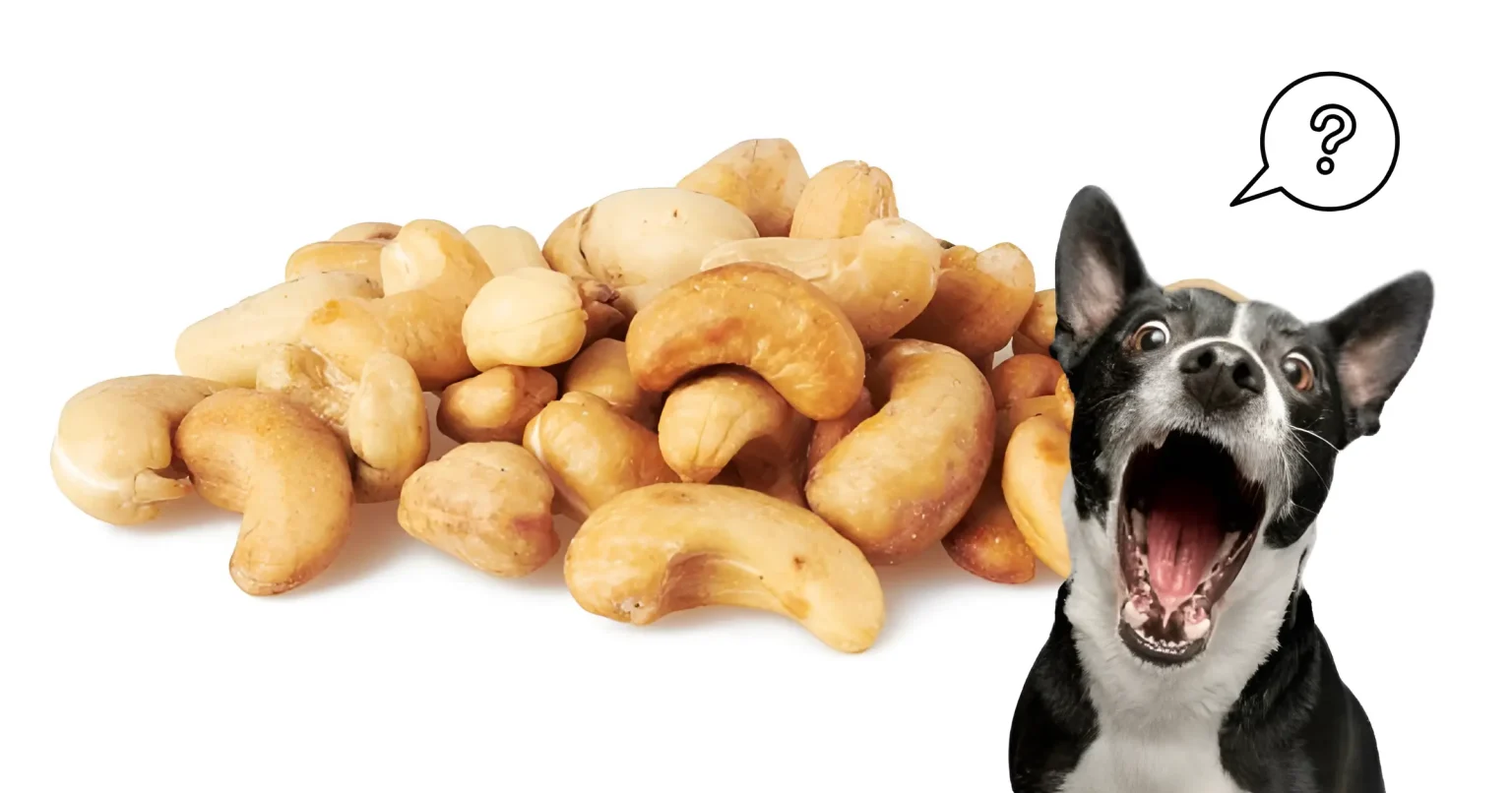
Dogs are more than just pets; they are family members who often share our homes, our couches, and sometimes even our food. As caring owners, it’s natural to wonder whether the snacks we enjoy are also safe for our furry companions. Among the countless foods people question, cashew nuts often stand out. They are tasty, nutritious, and popular as a quick snack—but is it okay to let your dog have some too?
Are Cashew Nuts Okay for Dogs? This guide takes an in-depth look at cashew nuts, their benefits, potential risks, and the safest way to introduce them into your dog’s diet. Everything here is designed to be easy to learn and practical, so that pet parents can make confident decisions without confusion.
What Are Cashew Nuts, Really? Are Cashew Nuts Okay for Dogs?
Cashew nuts come from the cashew tree (Anacardium occidentale), a tropical evergreen native to Brazil but widely grown in Africa and Asia today. The cashew we eat is actually the seed that grows inside a kidney-shaped shell attached to the cashew apple. Unlike some other nuts, cashews are usually sold roasted or lightly salted, but raw cashews in their natural state contain compounds that are unsafe for humans and dogs alike.
Cashews are rich in:
- Healthy fats (monounsaturated and polyunsaturated)
- Protein
- Magnesium
- Copper
- Zinc
- Vitamin K
While this nutritional profile is impressive for humans, we must carefully consider how it affects dogs.
Are Cashew Nuts Safe for Dogs?
The straightforward answer is: yes, cashew nuts can be safe for dogs, but only in moderation and under the right conditions.
Cashews are not toxic to dogs in the way that macadamia nuts or walnuts can be. However, safety depends on preparation, portion size, and the individual dog’s health. Giving a handful of salted cashews straight from the bag is not the same as offering a couple of plain, unsalted nuts as an occasional treat.
Nutritional Benefits of Cashew Nuts for Dogs
When given properly, cashew nuts can offer some nutritional advantages:
1. Source of Protein
Protein is essential for muscle repair, growth, and overall body function in dogs. Cashews provide plant-based protein that can add variety to a meat-heavy canine diet.
2. Healthy Fats
Cashews contain omega fatty acids that support skin and coat health. In small amounts, these fats help keep your dog’s fur shiny and soft.
3. Vitamins and Minerals
Cashews are rich in magnesium, copper, and zinc—minerals that play roles in bone strength, red blood cell production, and immune support.
4. Antioxidant Compounds
Like many nuts, cashews contain antioxidants that help protect cells from oxidative stress, which can contribute to aging and disease.
Potential Risks of Feeding Cashew Nuts to Dogs
Despite the benefits, there are real risks associated with cashews, especially if they are overfed or served in the wrong form.
High Fat Content
Dogs that consume too many cashews may experience stomach upset, diarrhea, or vomiting. Long-term overfeeding of fatty foods can also lead to pancreatitis—a serious condition requiring veterinary care.
Salt and Seasoning
Most cashews available in stores are salted or flavored with spices, garlic, or onion powder. These additives are harmful and can even be toxic for dogs.
Choking Hazard
Whole nuts, especially for small dogs, can present a choking risk or cause blockages in the digestive tract.
Allergic Reactions
Although rare, some dogs may develop allergies to nuts, including cashews. Symptoms include itching, swelling, or gastrointestinal distress.
The Right Way to Feed Cashew Nuts to Dogs
If you want to share cashews with your dog, do it the right way:
- Always choose plain, unsalted, and roasted cashews.
- Start with a very small portion to test your dog’s reaction.
- Chop or crush the nuts to reduce choking risks.
- Offer cashews as an occasional treat only, not part of their daily diet.
- Store nuts safely out of reach to avoid accidental overeating.
How Many Cashews Are Okay for Dogs?
The number of cashews your dog can safely eat depends on their size, weight, and overall health.
- Small dogs (under 20 pounds): 1–2 cashews occasionally.
- Medium dogs (20–50 pounds): 2–3 cashews.
- Large dogs (50+ pounds): Up to 4–5 cashews.
Remember, moderation is key. Cashews should not make up more than 5–10% of your dog’s calorie intake.
When to Avoid Cashew Nuts Altogether
Not all dogs should eat cashews. You should avoid feeding them if your dog:
- Has a history of pancreatitis.
- Suffers from obesity or is on a weight-loss diet.
- Is allergic to nuts.
- Has a very sensitive stomach prone to diarrhea or gas.
In these cases, safer snack alternatives include apple slices, baby carrots, blueberries, or plain pumpkin.
Easy-to-Learn Tips for Pet Parents
- Think of cashews as a treat, not a food group.
- Plain and simple is best—no salt, sugar, or flavorings.
- Introduce new foods gradually and observe for any negative reaction.
- If in doubt, consult your vet before making changes to your dog’s diet.
These simple steps will keep your pet safe while letting them enjoy an occasional nutty bite.
Frequently Asked Questions (FAQs)
1. Is it safe for dogs to eat raw cashews?
No, raw cashews contain natural compounds that can be harmful. Always stick to roasted, unsalted cashews.
2. Can puppies eat cashew nuts?
Puppies have delicate digestive systems. It’s better to avoid cashews until they are older and their stomachs can handle a wider range of foods.
3. What should I do if my dog eats too many cashews?
Monitor them closely for vomiting, diarrhea, bloating, or lethargy. If symptoms appear, contact your veterinarian immediately.
4. Are cashews better than peanuts for dogs?
Both can be safe in moderation if unsalted and plain. However, peanuts are more common and often considered safer as an occasional treat.
5. Can dogs eat cashew butter?
Yes, but only if it is homemade or unsalted with no additives. Many store-bought nut butters contain sugar, salt, or xylitol, which is toxic to dogs.
6. Do cashews cause weight gain in dogs?
Yes, cashews are calorie-dense. Regular feeding can contribute to weight gain, especially in small or sedentary dogs.
7. Are cashews toxic to dogs like macadamia nuts?
No, cashews are not toxic. But overfeeding can still cause digestive problems and pancreatitis.
8. Can senior dogs eat cashew nuts?
Senior dogs can eat small amounts if they are healthy, but because older dogs often have slower digestion and health concerns, it’s best to limit or avoid nuts altogether.
Final Thoughts
So, is are cashew nuts okay for dogs easy to learn? Yes, but with caution. Cashews can be a safe and enjoyable treat for dogs when offered in moderation, prepared correctly, and kept plain. They provide protein, healthy fats, and minerals, but also carry risks if given in excess or with added salt and flavorings.
For most dogs, a few cashews every now and then can be a fun snack. However, they should never replace a balanced, vet-approved diet. When in doubt, stick to tried-and-true dog treats or healthy fruits and vegetables.
As a responsible pet parent, your best tool is knowledge. By understanding what foods are safe, how much to give, and what risks to watch for, you can keep your furry friend healthy, happy, and full of energy.
For More Vists: Animalsinfo