

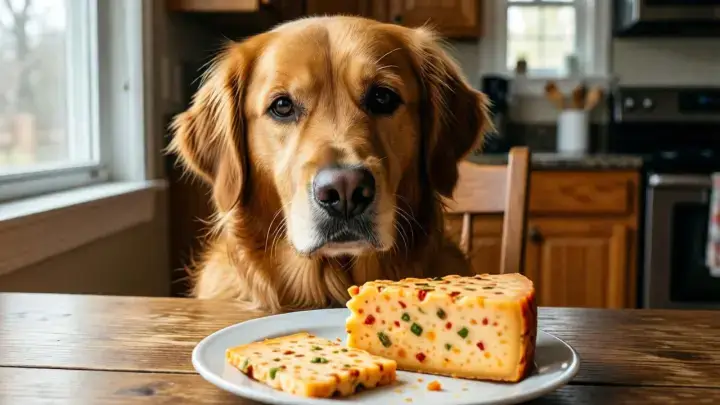
As pet owners, we are constantly tempted to share our favorite foods with our furry friends. Cheese, in particular, is a popular treat because dogs often seem to love it. But when it comes to Pepper Jack cheese, which is spicy and flavored with peppers, the question arises: can dogs have pepper jack cheese? Understanding the risks, benefits, and alternatives is essential to ensure the health and safety of your dog.
What is Pepper Jack Cheese?
Pepper Jack cheese is a type of Monterey Jack cheese infused with spicy chili peppers, herbs, and sometimes garlic. It is semi-soft, creamy, and flavorful, making it a favorite among humans who enjoy a little kick in their snacks. While it is safe for human consumption, the ingredients that make Pepper Jack unique can pose potential risks for dogs.
Unlike plain cheeses, Pepper Jack is spicy, seasoned, and often high in fat and salt, which can create digestive issues and health concerns for dogs if consumed in significant amounts.
Can Dogs Eat Cheese at All?
Before diving into Pepper Jack specifically, it’s important to understand how dogs generally tolerate cheese:
- Lactose Intolerance: Many dogs are lactose intolerant to some degree, meaning they have difficulty digesting lactose, the sugar found in milk. Eating too much cheese can cause stomach upset, diarrhea, or gas.
- Fat Content: Cheese is high in fat, and too much can lead to obesity, pancreatitis, and other health issues over time.
- Additives and Flavorings: While plain cheese is usually okay in moderation, cheeses with spices, garlic, or other additives can be harmful.
In small quantities, plain cheeses such as mozzarella or mild cheddar can be a safe treat. However, the spices and peppers in Pepper Jack change the equation significantly.
Why Pepper Jack Cheese Can Be Risky for Dogs
Pepper Jack cheese contains several ingredients that may pose a threat to dogs:
- Spicy Peppers: Dogs’ digestive systems are not designed to handle spicy foods. Eating peppers can lead to stomach irritation, vomiting, diarrhea, and in some cases, abdominal pain.
- Salt Content: Pepper Jack cheese contains higher salt levels than mild cheeses. Excess salt can cause dehydration, electrolyte imbalance, or even sodium poisoning in extreme cases.
- Fat Content: As with all cheeses, the fat content in Pepper Jack is relatively high, which can trigger pancreatitis in susceptible dogs.
- Herbs and Garlic: Some Pepper Jack cheeses contain garlic or other herbs that are toxic to dogs in larger amounts. Even small doses can irritate the digestive system.
Given these factors, Pepper Jack cheese is not recommended as a treat for dogs, and even a small piece should be considered an occasional, rare indulgence rather than a regular snack.
Occasional, Small Amounts: What You Should Know
While it’s not ideal, a very tiny piece of Pepper Jack cheese will likely not harm a healthy dog. If you choose to offer it:
- Keep the piece extremely small — a tiny cube or slice.
- Observe your dog for signs of digestive upset such as vomiting, diarrhea, or gas.
- Ensure your dog has access to water, as salty cheese can increase thirst.
Always remember that moderation is key, and cheese should never replace a balanced diet formulated for dogs.
Healthier Cheese Alternatives for Dogs
If your goal is to give your dog a cheese treat without the risks, consider safer alternatives:
- Plain Mozzarella: Low in fat and usually well-tolerated by most dogs.
- Mild Cheddar: High in protein and fat, but generally safe in very small amounts.
- Cottage Cheese: Often lower in fat and easier to digest for dogs who are lactose sensitive.
Avoid cheeses with added spices, peppers, or garlic, as these can cause digestive upset and long-term health problems.
Symptoms of Cheese Intolerance in Dogs
Dogs can react differently to cheese, so it’s important to watch for signs that your pet may be intolerant or sensitive. Symptoms include:
- Vomiting
- Diarrhea or soft stools
- Excessive gas or bloating
- Restlessness or signs of abdominal discomfort
- Increased thirst or urination
If your dog shows any of these symptoms after eating Pepper Jack cheese, contact your veterinarian immediately.
Dogs with Special Health Concerns
Certain dogs may be at higher risk when consuming cheese, including Pepper Jack:
- Dogs with Pancreatitis: High-fat foods like Pepper Jack can trigger flare-ups.
- Dogs with Kidney Disease: Extra salt can worsen kidney function.
- Dogs with Obesity: Fatty cheese adds unnecessary calories.
- Dogs with Allergies or Gastrointestinal Sensitivities: Spicy or flavored foods can exacerbate issues.
For dogs with these conditions, it’s best to avoid Pepper Jack entirely and stick to plain, low-fat cheese or vet-approved treats.
How to Safely Introduce Cheese to Your Dog
If you want to introduce any type of cheese safely, follow these steps:
- Start Small: Offer only a pea-sized piece of plain cheese to test tolerance.
- Observe Reactions: Wait 24 hours to monitor for digestive upset or allergic reactions.
- Avoid Frequent Treats: Cheese should be an occasional reward, not a regular snack.
- Consult Your Veterinarian: If your dog has any health conditions, always check with a vet before introducing new foods.
Even with safe cheeses, moderation is essential to avoid long-term health issues.
Why Dogs Love Cheese
Dogs are naturally drawn to cheese because of its strong smell, rich flavor, and creamy texture. Cheese can also be a motivating tool for training, as it is high in fat and protein. However, the type of cheese matters significantly. While mild cheeses are safe, Pepper Jack’s spicy and salty nature makes it unsuitable for frequent treats.
Creative Ways to Treat Your Dog Safely
Instead of risky cheeses like Pepper Jack, you can provide treats that are both safe and enjoyable:
- Small pieces of plain cheese mixed with kibble or frozen in ice cubes.
- Dog-friendly cheese treats from pet stores, formulated for safety.
- Training treats made from lean meats, pumpkin, or peanut butter (without xylitol).
These options satisfy your dog’s craving for a tasty reward without exposing them to harmful ingredients.
FAQs About Dogs and Pepper Jack Cheese
1. Can dogs eat a little Pepper Jack cheese?
Occasionally, a tiny piece is unlikely to harm a healthy dog, but it should never be given regularly due to the peppers, salt, and fat content.
2. What happens if my dog eats a lot of Pepper Jack cheese?
Overconsumption can cause vomiting, diarrhea, abdominal pain, dehydration, and in some cases, pancreatitis. Seek veterinary care if large amounts are eaten.
3. Is Pepper Jack cheese toxic to dogs?
Pepper Jack is not classified as toxic, but its ingredients can irritate the digestive system and cause health problems if eaten frequently or in large amounts.
4. Are there safe cheeses for dogs?
Yes. Plain mozzarella, mild cheddar, and cottage cheese are safer alternatives when given in small amounts.
5. Can cheese be used as a training reward?
Yes, but only small pieces of plain cheese are recommended. Avoid spicy or flavored cheeses to prevent health risks.
6. What signs indicate my dog had a bad reaction to cheese?
Watch for vomiting, diarrhea, gas, bloating, restlessness, or excessive thirst. Contact your veterinarian if any of these occur.
Conclusion-Can dogs have pepper jack cheese
While dogs may be tempted by the creamy, flavorful taste of Pepper Jack cheese, it is not a safe or recommended treat due to the peppers, high salt, fat content, and potential garlic or herb additives. Occasional, very small amounts may not harm a healthy dog, but moderation and caution are essential.
For healthier alternatives, stick to plain, mild cheeses or vet-approved dog treats. Always monitor your dog for any signs of digestive upset or allergic reactions, and consult your veterinarian for guidance, especially if your dog has underlying health conditions.
By understanding the risks and benefits of cheese, you can make informed choices that keep your dog safe, healthy, and happy while still allowing occasional, safe indulgences.
For More Visits: Animalsinfo