

Dogs often show curiosity about the foods we eat. From fruits to nuts, their keen sense of smell leads them to explore everything on our tables. One common question for pet owners is: “Are pecans okay for dogs?” While pecans may be a delicious and healthy snack for humans, they present certain risks and considerations for dogs. Understanding these risks is essential for keeping your furry friend safe and healthy.
What Are Pecans?
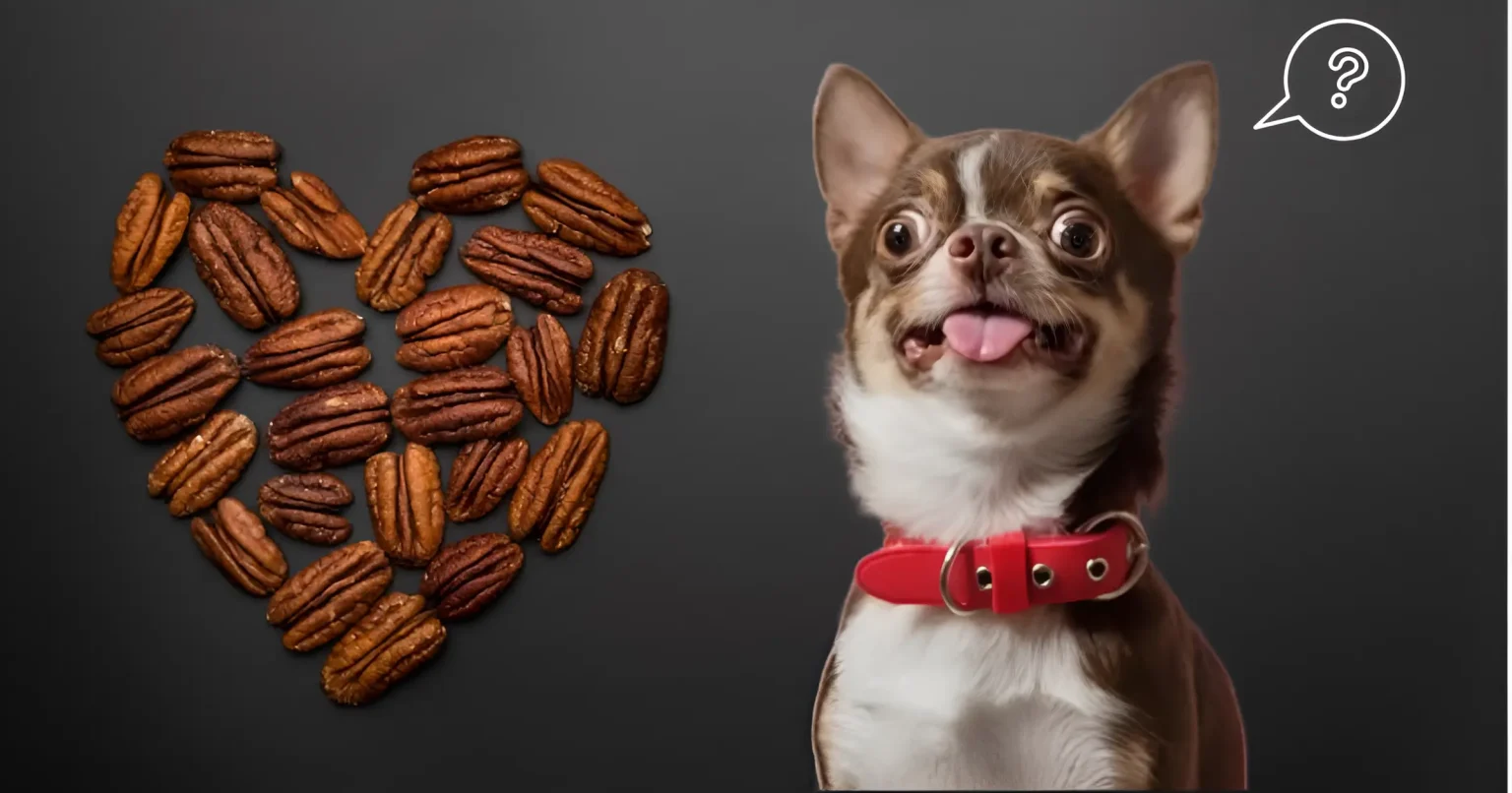
Pecans are tree nuts native to North America, prized for their rich, buttery flavor and nutritional value. They are commonly consumed raw, roasted, or used in baked goods. Pecans are high in healthy fats, protein, and various vitamins and minerals.
However, these very qualities that make pecans beneficial for humans can pose problems for dogs. Dogs’ digestive systems and nutrient requirements differ significantly from humans, meaning not every human food is safe for them.
Nutritional Content of Pecans
Pecans contain several nutrients, including:
- Healthy Fats: Monounsaturated fats that are heart-healthy for humans but may be too rich for dogs.
- Protein: Provides amino acids, though dogs typically get sufficient protein from their regular diet.
- Vitamins and Minerals: Includes vitamin E, magnesium, and zinc.
- Fiber: Can aid digestion in small amounts.
Despite these benefits, pecans are high in fat and can contribute to health problems in dogs if consumed in large quantities.
Are Pecans Safe for Dogs?
The short answer is: Pecans are generally not recommended for dogs. Here’s why:
1. High Fat Content
Dogs can consume some fat in their diet, but pecans are extremely rich in fats, which can lead to pancreatitis, a serious and potentially life-threatening inflammation of the pancreas.
2. Potential for Mold
Pecans can harbor molds that produce tremorgenic mycotoxins, which are toxic to dogs and can cause vomiting, tremors, seizures, or even death.
3. Choking Hazard
Whole pecans can be a choking risk, especially for small dogs. They can also cause intestinal blockages if swallowed whole.
4. Salted or Flavored Pecans
Many pecans are sold salted or roasted with sugar or other additives. These are even more dangerous for dogs, as excessive salt and sugar can lead to dehydration, kidney issues, or obesity.
Possible Effects of Dogs Eating Pecans
If a dog consumes a small amount of plain pecans, they may not experience immediate harm. However, eating pecans can sometimes result in:
- Vomiting or diarrhea
- Lethargy
- Abdominal pain
- Loss of appetite
In severe cases, dogs may develop pancreatitis, tremors, or seizures. These are emergencies that require immediate veterinary attention.
How to Keep Your Dog Safe
If you want to prevent pecan-related problems:
- Avoid Pecans Altogether: The safest choice is to keep pecans out of reach.
- Read Labels: Be cautious with foods containing pecans, especially desserts and baked goods.
- Use Dog-Safe Treats: Offer nuts like unsalted peanuts or cashews in small amounts if desired, but always check with your vet.
- Watch for Symptoms: If your dog accidentally eats pecans, monitor for vomiting, diarrhea, or unusual behavior and contact a vet immediately.
Alternatives to Pecans for Dogs
There are several safe alternatives to pecans that can provide similar benefits:
- Carrots: Low-calorie, crunchy, and rich in fiber.
- Apple Slices (Seedless): Provide vitamins and a natural sweetness.
- Blueberries: Packed with antioxidants and safe in moderation.
- Unsalted Peanuts or Cashews: Can be given in very small amounts as occasional treats.
These options are healthier and reduce the risk of pancreatitis, choking, or toxin exposure.
Homemade Dog Treats Without Pecans
If you want to make dog-friendly treats without pecans:
- Use oatmeal, pumpkin, or banana as a base.
- Add small amounts of safe fruits like apples or blueberries.
- Avoid sugar, chocolate, and artificial sweeteners.
These homemade treats are safer, nutritious, and enjoyable for dogs without the risks associated with pecans.
Special Considerations
Puppies
Puppies have sensitive digestive systems, so giving them pecans or other nuts is highly discouraged.
Senior Dogs
Older dogs are more prone to pancreatitis and digestive issues, making pecans even riskier.
Dogs with Preexisting Conditions
Dogs with pancreatitis, obesity, or diabetes should never be given pecans due to their high fat content and potential health risks.
Recognizing Symptoms of Pecans Toxicity
If a dog eats pecans accidentally, signs of toxicity include:
- Vomiting and diarrhea
- Tremors or shaking
- Seizures
- Lethargy or weakness
- Loss of appetite
Immediate veterinary attention is crucial if these symptoms appear.
FAQs About Dogs and Pecans
Q1: Can dogs eat small amounts of pecans?
Even small amounts are risky. Some dogs may tolerate a tiny piece, but it is not recommended.
Q2: Are pecans better than peanuts for dogs?
Peanuts (unsalted, plain) are safer in small amounts. Pecans are high in fat and potentially toxic.
Q3: What should I do if my dog eats pecans?
Monitor for symptoms and contact your veterinarian immediately, especially if your dog consumed multiple nuts.
Q4: Can dogs eat pecan pie or desserts?
No. Desserts often contain sugar, chocolate, and other toxic ingredients.
Q5: Are all nuts dangerous for dogs?
Some nuts like macadamias are highly toxic, while others like plain peanuts or cashews can be given sparingly. Pecans fall into the “high risk” category.
Final Thoughts-are pecans okay for dogs
While pecans are a healthy snack for humans, they are not suitable for dogs due to high fat content, potential toxins, and choking hazards. Even small amounts can cause digestive upset or more serious conditions like pancreatitis. The safest approach is to avoid feeding pecans to dogs entirely and stick to dog-safe treats like fruits, vegetables, or specially formulated dog snacks.
Keeping your dog safe means being aware of common foods that may appear harmless but pose hidden dangers. Awareness and moderation are key to ensuring your furry friend lives a long, healthy life.
For More Visits: AnimalsInfo
Also Read: What Is Catnip for Dogs? Safe Guide 2025