

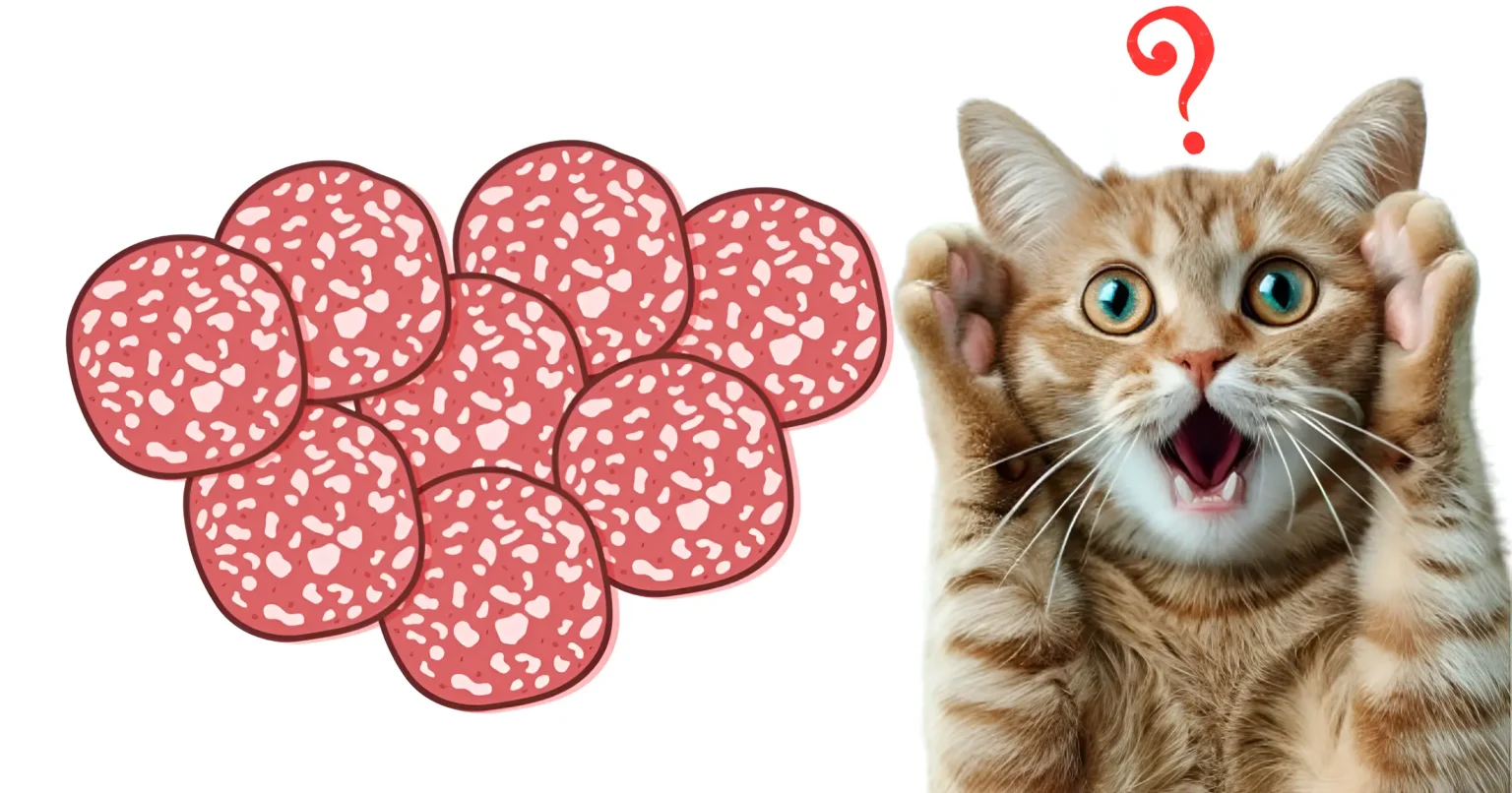
Can cats eat pepperoni? Cats are curious creatures, and their inquisitive nature often leads them to investigate human foods. Among these foods, pepperoni—a popular spicy, cured meat—frequently attracts feline attention due to its aroma and flavor. As a responsible cat owner, it is essential to understand whether pepperoni is safe for your cat, the potential risks, and healthier alternatives that satisfy their taste without compromising their health.
Understanding a Cat’s Diet – Can cats eat pepperoni
Cats are obligate carnivores, meaning their diet must primarily consist of meat. Unlike humans, cats require certain nutrients, including taurine, arachidonic acid, and vitamin A, which are naturally found in animal tissues. Their digestive system is specialized for metabolizing high-protein, low-carbohydrate diets.
While cats may enjoy a variety of foods, not all human foods are suitable for them. Some ingredients that are safe for humans can be toxic or harmful to cats. Understanding a cat’s nutritional needs is the first step in determining whether foods like pepperoni should be included in their diet.
What is Pepperoni?
Pepperoni is a type of cured sausage typically made from a combination of pork and beef. It is seasoned with various spices, including paprika, garlic powder, chili flakes, and sometimes cayenne pepper. It is also high in sodium, fat, and preservatives.
While the strong aroma and taste of pepperoni may appeal to cats, these very ingredients make it unsuitable for regular feline consumption. Cats may show interest in pepperoni due to its scent, which is rich in fats and protein, but this does not necessarily mean it is healthy or safe for them.
Is Pepperoni Safe for Cats?
In small, occasional amounts, a tiny piece of plain, unsalted pepperoni is unlikely to cause immediate harm to a healthy cat. However, feeding cats pepperoni comes with significant risks due to its high content of:
- Sodium: Excess salt can lead to dehydration, kidney strain, and in severe cases, sodium ion poisoning.
- Fat: High-fat foods may cause digestive upset, diarrhea, or even pancreatitis over time.
- Spices and Additives: Ingredients like garlic, onion, and chili can be toxic to cats, leading to gastrointestinal irritation or red blood cell damage.
- Preservatives: Many cured meats contain nitrates and nitrites, which are harmful in large amounts.
Even though a small nibble might not be immediately dangerous, regular consumption can lead to long-term health problems. It is always best to prioritize foods formulated for feline nutritional needs rather than relying on human snacks.
Potential Health Risks of Feeding Pepperoni to Cats
1. Gastrointestinal Problems
Cats have sensitive digestive systems. Foods high in fat and spices, like pepperoni, can trigger vomiting, diarrhea, and stomach upset. Even if your cat seems fine after tasting pepperoni, repeated exposure can stress their gastrointestinal tract.
2. Sodium Toxicity
Pepperoni is extremely high in sodium. Cats require only a small amount of salt in their diet, naturally provided by their regular cat food. Consuming too much sodium can lead to increased thirst, frequent urination, and, in severe cases, sodium ion poisoning, which manifests as tremors, seizures, or even death.
3. Obesity and Related Conditions
High-fat foods like pepperoni contribute to weight gain in cats. Obesity increases the risk of diabetes, arthritis, liver disease, and cardiovascular problems. Maintaining a healthy weight through a balanced diet is critical for feline longevity.
4. Toxic Ingredients
Some spices in pepperoni, including garlic and onion powders, are toxic to cats. These compounds can damage red blood cells, leading to anemia. While a tiny piece may not be fatal, regular ingestion poses serious risks.
5. Pancreatitis
Fatty foods are a common trigger for pancreatitis in cats. Symptoms include vomiting, lethargy, abdominal pain, and loss of appetite. Pancreatitis is a serious condition that requires veterinary attention and can be life-threatening if untreated.
Occasional Treats: How to Approach Human Foods
If you still wish to give your cat a taste of pepperoni, it should be:
- Extremely limited in quantity—just a small nibble once in a while.
- Free from added spices, garlic, or onion.
- Served as part of a balanced diet, not replacing regular cat food.
Even then, it is important to monitor your cat for any adverse reactions such as vomiting, diarrhea, or lethargy. When in doubt, consult a veterinarian before introducing any human food.
Healthier Alternatives to Pepperoni
There are many cat-friendly alternatives that allow your feline to enjoy a meaty treat safely:
- Cooked Plain Chicken or Turkey: Lean, protein-rich, and free from harmful additives.
- Freeze-Dried Meat Treats: Specially formulated for cats, providing high protein without excessive fat or sodium.
- Commercial Cat Treats: Vet-approved treats are designed to satisfy cravings safely.
- Small Pieces of Fish: Salmon or tuna in moderation can be appealing and safe for cats.
These alternatives offer flavor and nutrition without the risks associated with processed meats like pepperoni.
Signs Your Cat May Have Eaten Too Much Pepperoni
Even a small amount of pepperoni can affect some cats differently. Watch for:
- Vomiting or diarrhea
- Excessive thirst or urination
- Lethargy or unusual behavior
- Abdominal discomfort or bloating
- Pale gums or weakness (possible anemia from toxic spices)
If any of these symptoms occur after your cat consumes pepperoni, contact a veterinarian immediately. Prompt action can prevent serious complications.
The Role of Veterinarians
Veterinarians play a crucial role in guiding pet owners on appropriate diets. If you are considering introducing new foods or treats, professional advice ensures your cat’s safety. Veterinarians can recommend suitable human-food treats or commercial alternatives that align with your cat’s nutritional needs.
Feeding Guidelines for Cats
- Stick to Cat Food: High-quality commercial cat food provides all necessary nutrients.
- Limit Treats: Treats should constitute no more than 5–10% of your cat’s daily calorie intake.
- Avoid Seasonings: Cats should not consume foods with added salt, garlic, onion, or spices.
- Monitor Weight and Health: Regular check-ups and monitoring weight help prevent obesity and other diet-related illnesses.
By following these guidelines, you can safely offer occasional treats while ensuring your cat’s overall health and well-being.
FAQs About Cats and Pepperoni
Q1: Can cats have pepperoni occasionally?
A: Yes, but only in tiny amounts and very rarely. Frequent consumption is unsafe due to high fat, sodium, and spices.
Q2: What happens if my cat eats a lot of pepperoni?
A: Overconsumption can cause vomiting, diarrhea, sodium toxicity, pancreatitis, and even anemia from toxic spices. Immediate veterinary care may be required.
Q3: Are there any safe processed meats for cats?
A: Most processed meats are unsafe due to high sodium and preservatives. Stick to plain, cooked meats or vet-approved treats.
Q4: Can small pieces of cooked chicken or turkey replace pepperoni?
A: Yes, plain cooked poultry is safe, healthy, and a great alternative for cats craving a meaty treat.
Q5: How can I prevent my cat from eating harmful human foods?
A: Keep human foods out of reach, avoid feeding from your plate, and provide safe alternatives like commercial cat treats or cooked meats.
Conclusion
While cats may be tempted by the strong aroma and taste of pepperoni, it is not a suitable food for regular consumption. The high fat, sodium content, spices, and preservatives make it potentially dangerous, especially when given frequently or in large amounts.
Responsible pet owners should focus on providing a balanced diet tailored to a cat’s nutritional needs. Healthy alternatives such as cooked chicken, turkey, fish, or vet-approved treats allow cats to enjoy flavors they love without risking their health.
In summary, cats can taste pepperoni in extremely small, occasional amounts, but it is never recommended as a regular part of their diet. Prioritizing their health, monitoring their reactions, and consulting with veterinarians ensures your feline companion remains happy, safe, and healthy.
For More Visits: Animalsinfo
Also Read: Can Cats Have Whipped Cream: Safe Tips 2025