

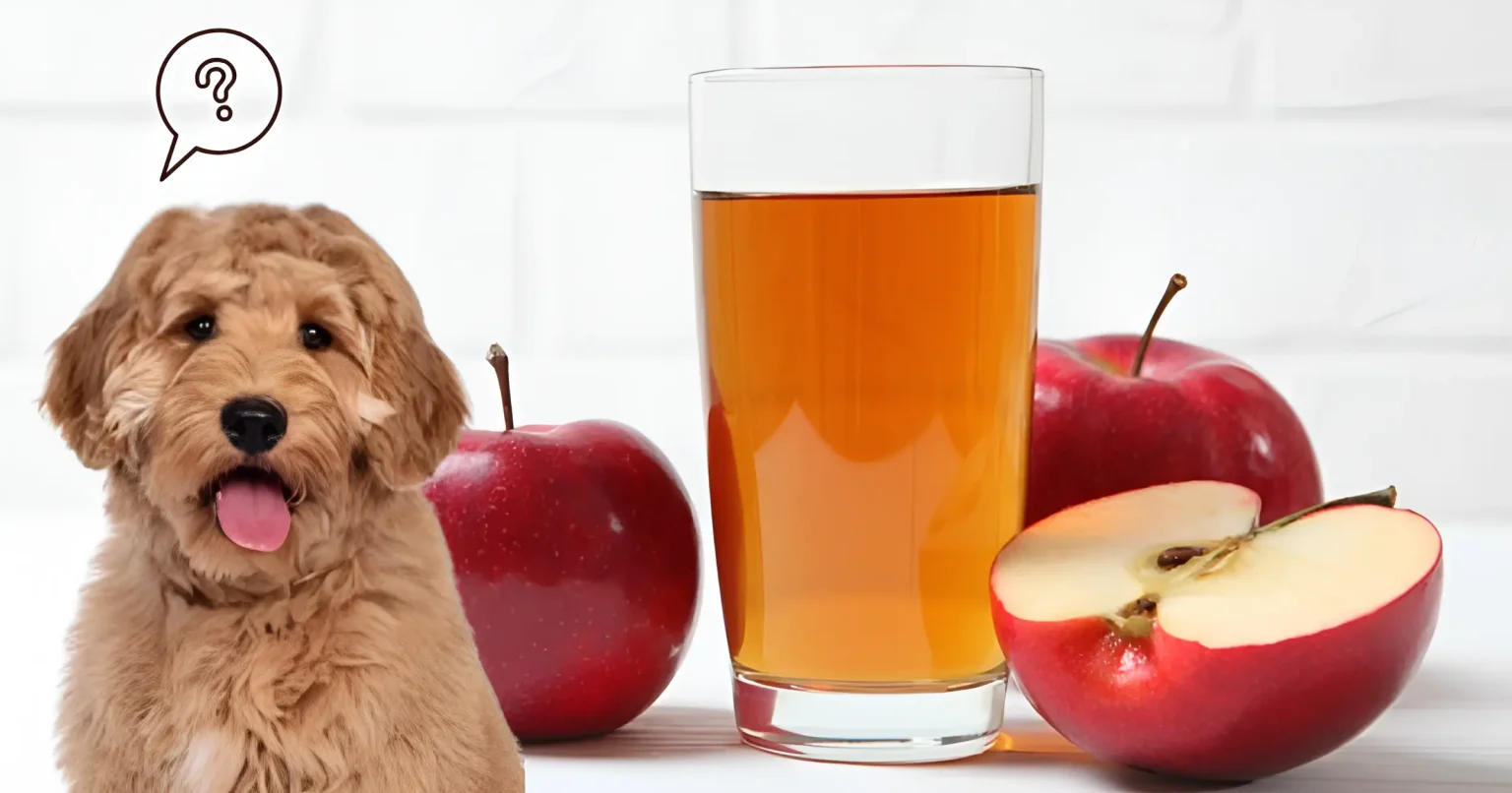
As a pet owner, it’s natural to want to share what you enjoy with your furry friend. When you sip on a refreshing glass of apple juice, you might wonder — can dogs drink apple juice too? The short answer is: it depends. While apples themselves are safe for dogs in moderation, apple juice is a different story. Understanding the difference between natural apple nutrients and processed juice ingredients is crucial for your dog’s health.
In this detailed guide, we’ll explore whether apple juice is safe for dogs, what risks it might carry, how it can affect their digestion, and what alternatives you can offer to keep them hydrated and healthy.
The Basics: Can Dogs Have Apple Juice?
Dogs can technically drink small amounts of natural, unsweetened apple juice, but it’s not recommended as a regular part of their diet. The main issue lies in added sugars, preservatives, and artificial flavors found in most commercial apple juices.
A dog’s digestive system is different from a human’s. While humans can process natural and refined sugars easily, dogs are more sensitive to sugar intake. Regular consumption of apple juice may lead to an upset stomach, diarrhea, obesity, or even diabetes in the long run.
If you’re giving your dog apple juice, it must be 100% pure and diluted with water, with no added sugar or artificial sweeteners. Even then, moderation is key — it should never replace fresh water.
Nutritional Value of Apples vs. Apple Juice
Fresh apples are packed with vitamins and fiber, making them a healthy snack for dogs when offered properly. They contain Vitamin A, Vitamin C, and dietary fiber, which contribute to immune health and digestion.
However, when apples are processed into juice, much of this nutritional value is lost. Commercial apple juice often contains high levels of fructose (fruit sugar) and lacks the fiber that helps regulate blood sugar levels.
So, while an apple can be a nutritious, crunchy treat for your dog, apple juice often turns into a sugar-heavy liquid that offers little benefit and potential harm.
Why Most Apple Juices Are Unsafe for Dogs
Most apple juices sold in stores are not suitable for dogs because of their ingredients and concentration levels. Here are the main reasons:
- Added Sugars:
Commercial juices can contain up to 25–30 grams of sugar per serving. That’s far beyond what a dog’s body can handle comfortably. - Artificial Sweeteners (like Xylitol):
Some “sugar-free” or “diet” juices use xylitol, an artificial sweetener that is toxic to dogs. Even a small amount can lead to vomiting, seizures, or liver failure. - Preservatives and Flavor Enhancers:
Chemicals like sodium benzoate or potassium sorbate are common in processed juices and can irritate a dog’s digestive system. - Lack of Fiber:
Fiber helps slow sugar absorption, preventing blood sugar spikes. Since juice lacks fiber, it causes rapid sugar absorption — risky for dogs.
Potential Health Risks of Apple Juice for Dogs
Even though apple juice might seem harmless, excessive consumption can create several health issues for dogs. Let’s take a closer look at the risks:
1. Stomach Upset and Diarrhea
Dogs’ digestive systems are sensitive to changes in diet. Apple juice, especially with added sugar, can lead to loose stools, gas, or vomiting.
2. Obesity and Weight Gain
Just like humans, excess sugar contributes to weight gain. Obesity in dogs can cause serious problems like joint pain, heart disease, and reduced lifespan.
3. Dental Problems
High sugar intake promotes plaque buildup and tooth decay in dogs, leading to bad breath and dental infections.
4. Diabetes Risk
Constant exposure to sugary drinks can affect your dog’s insulin levels, eventually leading to diabetes — a lifelong health issue.
5. Allergic Reactions
Though rare, some dogs may show allergic reactions to apple juice or preservatives used in it. Symptoms may include itching, swelling, or excessive drooling.
Can Puppies Drink Apple Juice?
Puppies should never drink apple juice. Their digestive systems are even more delicate than adult dogs’, and introducing sugary drinks early can cause dehydration and intestinal distress.
For hydration, always stick to clean, fresh water. Puppies need consistent nutrition from their food and water — not from human beverages.
How Much Apple Juice Is Safe for Dogs?
If you insist on sharing a bit of apple juice with your pet, limit it to very small quantities. A teaspoon or two of diluted, unsweetened apple juice mixed with water can be safe for medium or large dogs — occasionally, not daily.
For smaller breeds, even less is recommended. Think of it as a treat, not a drink replacement. Always observe your dog’s behavior after giving apple juice. If any sign of discomfort appears, stop immediately.
Healthier Alternatives to Apple Juice for Dogs
Instead of apple juice, there are many healthier and safer ways to keep your dog hydrated and happy:
- Fresh Water: Always the number one choice for hydration. Dogs need constant access to clean water throughout the day.
- Homemade Fruit Infusions: Add a small slice of apple or cucumber to your dog’s water bowl for a mild, natural flavor without sugar.
- Fresh Apples (in moderation): Small slices of seedless apple are a great alternative. Remove the core and seeds before feeding.
- Coconut Water (unsweetened): Natural coconut water, in small amounts, can provide electrolytes and hydration without harmful additives.
Remember: dogs don’t need flavored drinks. Their bodies are naturally designed to thrive on water and balanced food.
How to Prepare Dog-Safe Apple Juice at Home
If you want to prepare a dog-friendly version of apple juice, it’s easy to make at home using fresh ingredients. Follow these steps carefully:
- Wash an apple thoroughly to remove pesticides.
- Remove the core and seeds completely — apple seeds contain cyanide, which is toxic to dogs.
- Blend the apple with a cup of cold water until smooth.
- Strain the juice through a clean cloth to remove pulp.
- Dilute the resulting juice further with an equal amount of water before serving a small amount.
This homemade apple juice is free from additives and contains natural vitamins and hydration benefits. Still, offer only a few spoonfuls occasionally, not as a daily drink.
Can Dogs Eat Apples Instead of Drinking Juice?
Yes, dogs can safely eat apples in moderation. Apples are one of the best fruits for dogs when prepared correctly. They provide Vitamin C, antioxidants, and fiber that aid digestion.
When feeding apples:
- Always remove seeds and the core.
- Cut into small, bite-sized pieces.
- Offer as a treat, not a meal replacement.
Apples help clean your dog’s teeth naturally and can freshen their breath, making them a healthier option compared to apple juice.
Signs Your Dog Should Not Have Apple Juice Again
Even small amounts of apple juice can cause discomfort for some dogs. If you notice any of the following symptoms after your pet drinks apple juice, discontinue immediately:
- Vomiting or diarrhea
- Bloating or gas
- Excessive thirst
- Lethargy or restlessness
- Itchy skin or redness around the mouth
If these symptoms persist, consult a veterinarian promptly to rule out allergies or digestive problems.
What Vets Say About Dogs Drinking Apple Juice
Veterinarians generally discourage giving apple juice to dogs. While it isn’t as dangerous as some toxic foods, it offers no real nutritional benefit. Most experts recommend sticking to fresh water and occasionally feeding small apple slices instead.
Dogs get all the hydration they need from clean water and their regular diet. Anything sugary, even natural fruit juices, should be considered unnecessary.
Vets emphasize moderation and observation — if your dog drinks a little diluted apple juice once in a while, it’s unlikely to cause harm. But making it a routine could lead to serious long-term issues.
Homemade Dog Treat Idea: Apple Ice Cubes
If you want to treat your dog while keeping them cool and hydrated, apple ice cubes are a great choice. Here’s how to make them:
- Blend a small piece of apple with water.
- Pour the mixture into an ice cube tray.
- Freeze and serve one cube as an occasional summer treat.
These icy snacks provide flavor and hydration without the risks of commercial apple juice.
Frequently Asked Questions (FAQs)
1. Can dogs drink store-bought apple juice?
No, store-bought apple juice is not recommended. It usually contains added sugar, preservatives, and artificial flavors that can harm your dog’s health.
2. What happens if my dog accidentally drinks apple juice?
If your dog drinks a small amount of apple juice by accident, don’t panic. Observe for any signs of stomach upset. However, avoid giving more in the future.
3. Can I give my dog diluted apple juice for dehydration?
It’s better to give plain water or vet-recommended electrolyte solutions. Apple juice does not effectively rehydrate dogs and can worsen dehydration.
4. Are apple seeds dangerous for dogs?
Yes. Apple seeds contain cyanide compounds that can be toxic if consumed in large amounts. Always remove seeds before feeding apples.
5. Can apple juice improve my dog’s breath?
Not directly. Fresh apples are a better option for improving oral freshness. Juice may cause plaque buildup due to sugar content.
6. What fruits are safe for dogs to drink as juice?
Generally, dogs shouldn’t drink fruit juice. However, small amounts of diluted juices from watermelon, cucumber, or pear (without sugar) are safer options.
7. How often can I give my dog apple juice?
Ideally, not at all. But if you must, only give a teaspoon of unsweetened, diluted juice occasionally as a treat — never daily.
Conclusion – Can Dogs Drink Apple Juice
So, can dogs drink apple juice? While it’s not inherently toxic, it’s far from ideal for canine health. The sugar content, preservatives, and lack of fiber make apple juice unsuitable for regular consumption.
If you want to offer your dog a fruit-based refreshment, stick to fresh apple slices or homemade diluted juice with no additives. Always prioritize water as the main source of hydration and monitor your pet’s reaction to new foods or drinks.
Your dog’s health and happiness depend on mindful choices. Offering natural, nutritious, and balanced treats — rather than sugary drinks — ensures your furry companion lives a long, vibrant, and tail-wagging life.
For More Visits: Animalsinfo