


Can Dogs Have Fritos or Should You Avoid It? Here’s the Truth
As a lifelong dog owner, I’ve learned to keep an eye on what my furry companion tries to sneak from the counter. While it might seem harmless to share a snack like Fritos, these fried corn chips are actually far from safe for your pet. Their high salt content, fats, and spices can seriously affect your dog’s health, especially if eaten regularly. Even though dogs aren’t known for their pickiness, that doesn’t mean they should develop a habit of munching on junk food. As much as they beg for a bite, Fritos have no nutritional value and can be a low-nutrient, high-calorie risk that offers your canine companion little to no value.
If your pup has kidney issues or struggles with weight issues, giving them chips like these may cause distress. It’s important to monitor for signs of distress such as an upset stomach or odd behavior. As owners, being concerned about what goes into a balanced diet is part of being a responsible pet parent. I once caught my dog getting into a bag of Fritos, and while one chip didn’t cause immediate harm, it reminded me why I don’t keep Purina or any salty food where curious noses can reach. If you’re wondering whether a crunchy treat now and then is okay, keep reading—there’s more to learn about how it could affect your pet long term.
What Exactly Are These Fritos?
Back when I was helping out at a local shelter, we often had to be careful about what snack items visitors tried to share with the dogs. To understand why this matters, you need to know what Fritos actually are. They’re not just any chips — they’re corn chips made by Frito-Lay, a brand under PepsiCo, Inc, produced using ground corn, salt, and oil.
By 2023, the line of Fritos had grown to include over 29 types, with frequently changing flavor drops. The base process still starts with a grind of corn, followed by a quick fry in hot oil — giving it that signature crisp. While they’re popular with humans, and definitely tempting due to their rich taste, they’re not made for pets. Trust me, after watching a dog get an upset stomach from licking off some chili powder residue, I learned quickly why even a seemingly harmless chip isn’t worth the risk.
A Closer Look at the Many Frito Flavours
Over the years, I’ve noticed that many pet owners, especially during game nights or BBQs, tend to give their dog a small bite of whatever they’re snacking on — often without thinking twice. Fritos are one of those popular snacks, but there are so many types now that it’s important to understand why they can be harmful to dogs, even in small amounts. Some of the most well-known flavours include Chili Cheese, Flamin Hot BBQ, Spicy Jalapeno, Lime and Chilli, and Kettle Cooked. Others like Scoops and Flavour Twists may seem less dangerous, but many still contain risky ingredients like onion powder, garlic powder, and spicy pepper powder — all of which can lead to an upset stomach or even be toxic to dogs.
When I was working with a vet clinic, we had a case where a pup got into a bag of Flamin Hot BBQ, and it only took a few bites before the dog started showing signs of a very irritated stomach. It turned out the powder coating on the chips — especially the spicy ones — can make things even worse if the dog already has existing health conditions. So if you’re ever tempted, remember to avoid giving any types of Fritos to your furry friend. Just keep them away, no matter how much they beg.
Can Dogs Have Chips?
Are Chips Safe for Dogs?
Many dogs love to sneak a bite of whatever their owners are snacking on, but when it comes to chips like Fritos, it’s important to know what’s safe and what can harm your pet’s health. Most chips are fried and made with corn, potatoes, and oil, making them a high-calorie snack. They also contain salt and grease, which add fat and increase the risk of serious problems over time. If your dog eats too much, it may gain weight or develop salt poisoning, which can be dangerous and even toxic in excessive amounts.
According to the Merck Veterinary Manual, eating chips regularly can lead to vomiting, diarrhea, weakness, muscle tremors, seizures, and excessive thirst. These symptoms are signs of a body under stress, especially during a long period of high consumption. Even though Fritos may not seem harmful at first glance, their ingredients are not a good idea for your furry friend. The manual makes it clear that keeping chips away from dogs is best to avoid bad outcomes. Just because something tastes great to us doesn’t mean it’s safe for them to eat.
Can Dogs Eat Fritos?

While a one-time occurrence of your dog eating Fritos may not lead to immediate health problems, it’s important to understand the long-term risks. Dogs may tolerate the essential ingredients in Fritos, but these fried corn snacks are heavily processed and stripped of nutritional value. A small amount might not bother your dog, but consuming too many servings can cause obesity, and in extreme cases, lead to chronic health issues. The salt content in these snacks is particularly concerning, as it can cause ill effects like vomiting, weakness, and even more serious issues like salt poisoning.
If your dog eats Fritos regularly, the overabundance of calories and salt can lead to weight gain and other chronic health problems. It’s essential to keep an eye on your dog’s eating habits to prevent them from developing a habit of eating these unhealthy snacks. Even though tolerance to these snacks may exist in some cases, the lack of nutritional value means that Fritos are not a suitable snack for your dog in the long run.
What’s That Fritos Smell on My Dog?
If you’ve ever noticed your dog’s paws giving off a corn chip-like odor, you’re not alone—it’s a surprisingly common smell. This odd fragrance comes from natural bacteria and yeast that live on your dog’s paws, forming tiny ecosystems. The warm, moist environment of their paw pads becomes the ideal breeding ground for microorganisms like Pseudomonas and Proteus, both of which release that familiar Fritos scent. Fun fact—dogs actually sweat through paws, which adds to the mix and keeps these microbes active. From my grooming experience, I’ve found that regular cleaning helps reduce the sweat and keeps this natural funk under control.
Why do Dogs Smell like Fritos
A few months ago, after a long walk through the grass and dusty surfaces, I picked up my dog and noticed his feet had a strange aroma—like Flritos. This is something many humans experience, and it’s often referred to as Frito Feet. The smell usually comes from natural bacteria like Pseudomonas and Proteus living on your dog’s skin. These bacteria thrive in moist, warm conditions, especially when sweat glands in the paws are active. Even though dogs don’t sweat like us, they still release sweat through their paw pads, creating the perfect environment for that corn chip scent.
Experts like Dr. Jerry Klein, chief veterinary officer for the AKC, and groomers such as Giulia D’Ignazio from Brandy’s Canine Grooming, confirm that the smell is normal in most cases. However, if your dog starts showing behavior changes like excessive licking, bumps, redness, or swelling, it might be time to call a veterinarian. These could be signs of an unpleasant issue with yeast levels or skin infections. Keeping good hygiene, limiting contact with dirty materials like dirt, and avoiding onion or onion powder exposure—whether in food like Flamin Hot BBQ, Scoops, or Flavour Twists—can help. A sweaty paw might smell like a salty snack, but it’s best not to let that become a health risk. As Live Science covered back in 2022, even Flritos joked about the odd connection to dogs’ paws—proving just how popular and noticeable that scent can be in everyday life.
Ingredients of Fritos
What’s Inside a Frito? — Can Dogs Have Fritos?
As someone who cares about what my pet eats, I took a close look at the ingredients in Fritos before ever letting my dog near them. Sounds simple, right? But when you break it down, each component affects a dog’s diet differently. While corn is often used as a filler in dog food, the unprocessed form offers protein, carbs, antioxidants, and even some health benefits. The problem starts when that cornmeal is turned into a corn chip at the Fritos factory. Once processed, those benefits drop, and it becomes just another unhealthy bag of chips.
Now let’s talk about the numbers. A serving of 32 chips contains around 10 grams of fat and 200 milligrams of sodium. For an average dog, especially one weighing 33 pounds, the daily recommended sodium is already close to that. According to the National Research Council, adult dogs like mine should only get about 14 grams of fat a day—so one bag could be dangerous. Dogs with kidney problems, poor metabolism, heart disease, or other medical issues are at higher risk. Add to that the fact that corn oil, while containing vitamin E and linoleic acid, is a low-quality fat source and lacks omega-3 fatty acids. So while the occasional chip may not be immediately hazardous, giving too many could lead to adverse effects or worsen existing health conditions, especially if your dog has a rare corn allergy. That’s why limiting sodium and watching what’s in even the most familiar snacks matters when it comes to our dogs.
What Too Much Fat Can Do to Your Dog
I’ve seen many dogs that enjoy sneaking a bite of human food, especially corn chips like Fritos. But when eating this kind of junk food for Dogs becomes a habit, it can lead to some real problems. The high fat content in Fritos, especially when eaten frequently, may increase the risk of health issues. Studies show that a dog that consumes table scraps and an atypical, high-fat diet can suffer from high cholesterol, become overweight, and even face long-term distress.
One major issue that can develop is pancreatitis, a painful inflammation of the pancreas. I’ve had clients bring in pets showing signs like vomiting, diarrhea, loss of appetite, and abdominal pain—all related to poor diet. Sometimes it gets worse, with fever, dehydration, fatigue, and even depression setting in. Over time, these symptoms impact a dog’s standard of living and overall health, especially if the dog eats fatty snacks like Fritos regularly. So while a tiny piece might seem harmless, making it a routine snack can cause more severe issues than you’d expect.
Are Spicy Fritos a Risk to Your Dog?
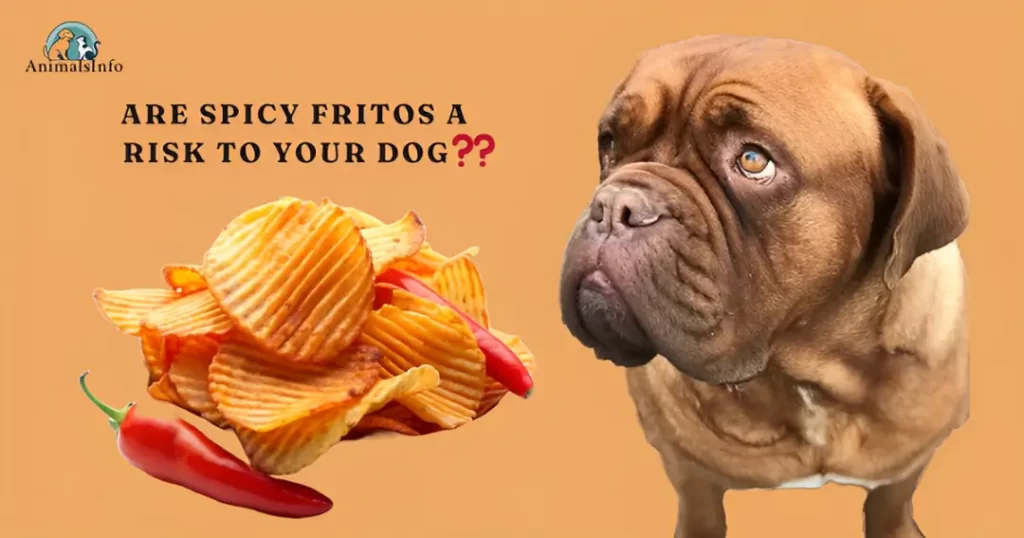
When it comes to dogs, flavored snacks like Fritos Chili Cheese might seem like a fun treat, but they’re actually quite dangerous. These spicy corn chips are packed with sodium, spices, and additives—far from what a dog’s diet should include. The extra sodium alone can cause a serious overload on their system, especially since dogs have a much lower tolerance for salt than people. After a bag of Fritos went missing at my house, my pet started showing signs like excessive thirst, vomiting, and mild diarrhea—all early warnings of salt toxicosis.
Flavored chips, like these or even regular potato chips, fall under the category of processed foods and fast food, which are loaded with ingredients that can throw off your dog’s electrolyte homeostasis. If the amount of salt continues to rise in their body, it can lead to sodium ion poisoning, salt poisoning, or even hypernatremia—conditions that can affect nerve function, muscle control, and cause seizures, discomfort, or worse, become fatal. You must monitor your dog closely for any ongoing changes, and if there’s no improvement, contact your vet right away. Providing fresh water at all times helps reduce the risk of rapid dehydration and helps keep elevated blood pressure and other effects at bay. Never assume human food fits your dog’s daily needs—even small snacks can be harmful due to the wide range of toxicity they can cause.
How Too Much Salt Can Seriously Affect Your Dog
When your dog sneaks a few corn chips or a bag of Fritos, you might not think much of it. But as someone who’s worked with both vets and pet nutritionists, I’ve seen firsthand how dangerous even a small amount of extra sodium can be. Most processed foods like potato chips and fast food are packed with salt, which isn’t part of a healthy dog’s diet. Unlike people, dogs have a much lower tolerance for sodium, and even mild overconsumption can lead to salt poisoning or sodium ion poisoning. The body’s electrolyte homeostasis—which keeps nerve function and muscle response in balance—can get thrown off completely.
If a pet eats excessive salty snacks, you might notice signs like vomiting, diarrhea, excessive thirst, or discomfort. I’ve even seen cases of seizures and hypernatremia—a fatal salt toxicosis condition where dehydration, elevated blood pressure, and overload of sodium overwhelm the system. Monitor your dog closely and always keep fresh water within easy contact, especially after they eat human food. If there’s no improvement or symptoms get worse, contact your vet immediately. Trust me, a quick snack might not seem like a big deal, but with ongoing exposure, even the smallest indulgence from your snack stash could put your dog at serious risk.
Keeping Your Dog Healthy: Diet and Daily Care
Feeding your dog a balanced, wholesome diet is key to avoiding problems that snacks like Fritos can bring. While a tiny nibble might not cause harm, replacing junk food with real, nourishing dog food will support your dog’s diet and long-term dog health. Always read product labels and choose whole foods that are free from preservatives. Include fruits, vegetables, and organic options that are rich in vitamins, antioxidants, and anti-inflammatory nutrients. For added benefit, oils like fish oil, flaxseed oil, and coconut oil offer healthy fatty acids like omega-3 and omega-6 to improve your dog’s coat and joints.
I’ve seen real changes in dogs when their food includes an activity-appropriate balance of nutrients, along with regular exercise and proper care. Also, don’t overlook mental health, social health, and physical health—all are tied closely to a healthy lifestyle. Ensure your dog gets enough water by offering fresh water daily. Avoid overfeeding, and limit treats that do not benefit their health.
Beyond food, regular hygiene also matters. Inspect your dog’s paws often during Regular Paw Checks—look for signs of debris, dirt, mud, or irritation. After walks, always Wipe Their Paws using unscented wipes that are alcohol-free to clean and reduce bacterial buildup. If your dog steps in urine or feces, give a light wash, but avoid overwashing, as it removes natural oils and causes dryness and cracking.
Keep paw pads soft by applying Use Dog-Safe Balms to keep them moisturized and to prevent yeast growth, bacteria, and painful infections. Don’t forget to Trim Paw Hair to prevent trapped moisture and unusual smells that can lead to skin issues. Proper grooming and diet together go a long way in preventing problems that processed snacks like a Frito can’t fix. From keeping their coat shiny to reducing the need for the vet, these simple practices make a big impact—from tail to bark.
Keeping Your Dog Fresh and Clean
When it comes to managing that odd Frito-smelling scent coming from your dog’s paws, regular grooming plays a big role. I’ve seen many dogs develop a lingering smell after long walks or playtime, especially in active breeds with more fur. As Giulia rightly notes, pups with curly coats, double coats, or even short coats can be prone to odor if their grooming isn’t kept up. The frequency of a bath really depends on your dog’s coat type, breed, and daily activity level. For those who absolutely hate bath time, there’s no problem — I often recommend using Earth Rated’s no-rinse dog shampoo, which works wonders between full washes.
Another trick I’ve found helpful is using dog-specific grooming wipes for on-the-go cleanups. These are great to remove dirt, grime, and debris from their feet, and they help freshen your pup up fast. You can also choose from a line of Earth Rated products and shampoos that are tailored to your dog’s specific coat — whether it’s thick, fine, or somewhere in between. Use these tools to start a routine that works for you and your pup. From personal experience, once you’ve got the right grooming rhythm, keeping that Fritos odor in check becomes so much easier — and your dog is covered in comfort, too.
Keep Your Dog’s Space Clean and Fresh
One thing I’ve learned as a dog owner is that preventing problems is always better than fixing them—especially when it comes to odor-causing issues. If your dog’s space starts smelling bad, it’s not just unpleasant; it can also mean bacteria or dirt are building up. And when dogs eat things like Fritos, their breath, paws, or fur can sometimes carry strange odors. A good way to avoid this is to build a cleaner home environment.
Start by vacuuming and mopping floors regularly, especially in areas where your dog sleeps or eats. Don’t forget the bedding—wash all blankets and cushion covers to remove grime, hair, and any stuck substances. I usually throw my dog’s items in with a bit of baking soda to reduce any strong smells. Regular cleaning routines not only make your space fresher, they also help stop the spread of bacteria that can grow from leftover crumbs or oils. A well-kept area keeps your pup clean, comfortable, and less likely to carry those weird chip-like smells around the house.
Spotting Health Problems Early
Feeding dogs human snacks like Fritos can sometimes lead to unexpected issues, especially if they already have sensitive paws or skin. One day after my dog snuck a few chips off the floor, I noticed a strange odor coming from his feet. The smells were almost yeasty, and he kept licking his paws nonstop. That was my first indication something was off. As a dog owner, it’s really important to stay on the lookout for early signs of infection—they can show up fast and get worse before you realize.
You might notice redness, swelling, or even small sores or wounds. There could be discharge, and in some cases, the area may feel warm due to inflammation. All of these can be clues pointing to bacterial or yeast infections. If you’re in doubt, it’s always best to speak with a vet. A veterinary treatment plan can clear things up quickly before they become more serious. Don’t wait—catching these issues early can prevent long-term problems.
Final Thoughts on Your Dog’s Snack Safety
From my experience, letting your dog nibble on Fritos might seem harmless, but it can lead to immediate or long-term health problems. These chips are high in salt, sodium, and fat, making them a junk food substitute that can cause damage to your dog’s diet, trigger weight gain, or even disease. Some dogs may show symptoms like tiredness or digestive issues, while others may be more sensitive, especially to salty snacks or high-calorie treats. As a pet parent, I believe it’s safe to say that choosing nutritious, dog-approved treats is the way to go. It helps maintain your dog’s well-being, supports a balanced nutrition, and lowers the risk of poisoning or an emergency caused by human food. Plus, regular grooming, cleaning, and proper hygiene—especially their paws, where yeast, bacteria, sweat, and that familiar smell collect—keep your pup comfy and clean. The “Frito feet” phenomenon might be a strange trait, but it’s also part of the unique charm we love in our one-of-a-kind furry companion. For extra paw care, try a gentle product with tea and basil fragrance, and always follow your vet or veterinarian’s guidance when making food choices.
Frequently Asked Questions (FAQ’s)
Are Fritos okay for a dog?
Fritos aren’t toxic, but they’re salty and oily—best avoided.
Can I give my dog a spicy chip?
No, spicy chips can upset your dog’s stomach and should be avoided.
Are Doritos ok for dogs?
Doritos aren’t safe due to seasonings and additives—keep them away.
Can dogs eat potato chips?
Potato chips contain too much salt and fat, so they’re not recommended.
What chips can dogs have?
Unsalted, plain chips in tiny amounts may be okay—but healthier treats are better.
Can dogs eat corn?
Yes, plain cooked corn is safe for dogs in moderation.
Can dogs eat cheese?
Yes, most dogs can have small amounts of cheese as a treat.
Can dogs have spicy food?
No, spicy food can cause stomach upset and should be avoided.
Can hot Cheetos kill a dog?
Hot Cheetos are very unhealthy and can cause serious issues—but rarely fatal unless eaten in large amounts.
Can dogs eat pretzels?
Pretzels are salty and not ideal for dogs—offer only plain, unsalted ones occasionally, if at all.
For More Visits: AnimalsInfo