

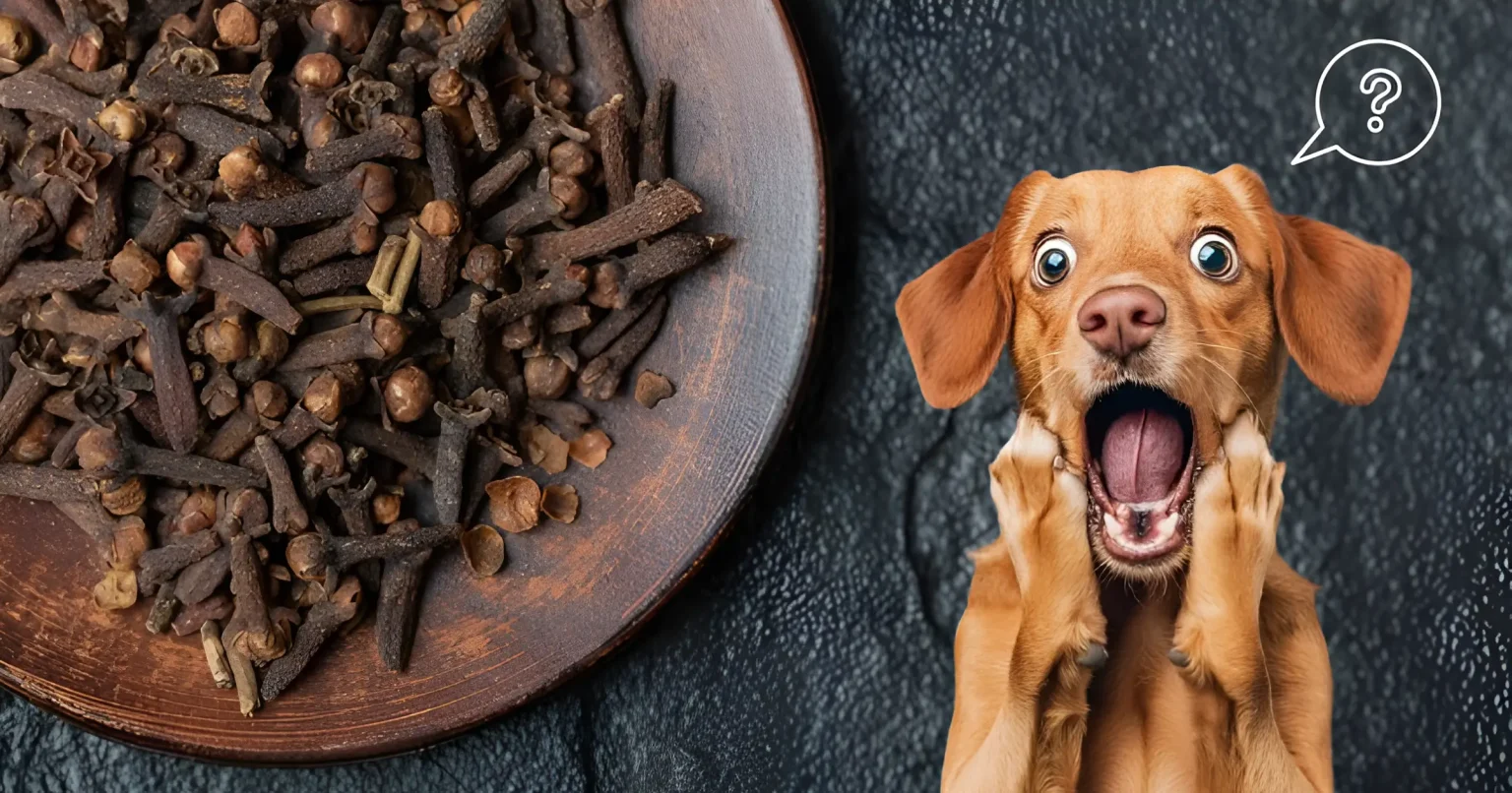
Spices can add flavor and aroma to human food, but when it comes to dogs, not all spices are safe. Cloves, a popular spice used in cooking and baking, have a strong aroma and distinct taste. Many dog owners wonder: can dogs have cloves? Understanding the safety, risks, and potential effects of cloves on dogs is essential for their well-being.
Can Dogs Have Cloves?
No, dogs should not have cloves. Cloves contain compounds such as eugenol, which can be toxic to dogs if ingested in even small amounts. Eating cloves can lead to serious health issues, including digestive upset, liver damage, or blood clotting problems.
When asking can dogs have cloves, the answer is clear: cloves are unsafe for dogs and should be strictly avoided in their diet.
Why Cloves Are Harmful to Dogs
Cloves contain eugenol, a chemical that can damage the liver and red blood cells in dogs. It may also irritate the stomach and intestines, leading to vomiting or diarrhea. Additionally, cloves can cause low blood sugar or changes in heart rhythm in sensitive dogs.
Even small amounts can pose risks, especially for puppies, small breeds, or dogs with pre-existing health conditions. This is why understanding can dogs have cloves safely is crucial for dog owners.
Symptoms of Clove Toxicity in Dogs
If a dog consumes cloves, symptoms may include:
- Vomiting and diarrhea
- Lethargy or weakness
- Excessive drooling
- Abdominal pain
- Tremors or seizures in severe cases
- Difficulty breathing
If any of these symptoms occur after accidental ingestion of cloves, it is essential to seek veterinary care immediately. Early intervention can prevent serious complications.
What to Do if Your Dog Eats Cloves
If your dog ingests cloves, do not panic. Follow these steps:
- Remove any remaining cloves from your dog’s reach.
- Call your veterinarian or an emergency pet poison hotline.
- Do not induce vomiting unless instructed by a professional.
- Monitor your dog for signs of distress while waiting for veterinary care.
Understanding can dogs have cloves accidentally and acting quickly can make a significant difference in outcomes.
Cloves in Cooked Food and Treats
Cloves are often used in human foods, such as baked goods, sauces, or holiday dishes. Even when mixed with other ingredients, cloves remain toxic to dogs. Feeding dogs foods containing cloves, such as pumpkin pie or spiced cookies, can cause poisoning.
Therefore, when asking can dogs have cloves in food, the answer is no. Always ensure human meals and treats with cloves are kept away from dogs.
Why Some Owners Consider Cloves Unsafe
The toxicity of cloves is mainly due to eugenol, a phenolic compound. Dogs metabolize certain compounds differently than humans, and what is safe for people can be harmful to dogs. Cloves can also interact with medications or exacerbate underlying health conditions, making them even riskier.
When considering can dogs have cloves at all, the consensus among veterinarians is that it should be avoided completely.
Are Clove Oils Safe for Dogs?
Clove oil is even more concentrated than whole cloves, making it highly toxic. Topical application or ingestion can cause severe liver damage, gastrointestinal upset, and neurological symptoms.
Never use clove oil in diffusers or as a home remedy around dogs. This answers can dogs have cloves in any form, which is no—both whole cloves and clove oil are unsafe.
Alternatives to Cloves for Dogs
While cloves are unsafe, there are dog-friendly spices and herbs that can add flavor safely, including:
- Cinnamon (in small amounts)
- Parsley (fresh, chopped)
- Ginger (fresh or powdered, in moderation)
- Turmeric (small doses, often mixed with food)
These alternatives can enhance flavor without the risks associated with cloves, helping owners who want to avoid toxicity while enriching their dog’s meals.
Long-Term Risks of Clove Consumption in Dogs
Repeated or large ingestion of cloves can lead to chronic health problems, including liver damage, anemia, or gastrointestinal inflammation. Long-term effects are often irreversible, emphasizing why cloves should be entirely avoided.
Understanding can dogs have cloves regularly confirms that cloves are unsuitable for long-term feeding or supplementation.
Can Puppies Have Cloves?
Puppies are especially vulnerable to toxic substances due to their smaller size and developing organs. Even tiny amounts of cloves can cause serious problems, so they should never be given to puppies under any circumstances.
Thus, can dogs have cloves as puppies is definitively no. Safety is critical for young dogs.
Signs Your Dog May Have Eaten Cloves
Immediate symptoms include vomiting, drooling, and diarrhea. Over time, signs such as lethargy, pale gums, or unsteady walking may indicate internal complications. Always monitor your dog closely if there is any suspicion of clove ingestion.
These symptoms highlight why can dogs have cloves without harm is impossible—cloves inherently carry risk.
Preventing Accidental Clove Ingestion
Prevention is better than treatment. Keep cloves in sealed containers, out of reach of dogs. Avoid using cloves in areas where dogs can access them, such as the kitchen counter or holiday tables.
Educating family members about clove toxicity ensures that can dogs have cloves safely at home remains a proactive approach.
Cloves in Herbal Remedies and Teas
Some herbal teas or remedies contain cloves for their flavor or medicinal properties. These are also unsafe for dogs, even in small quantities. Always check ingredients before offering any herbal or human remedies to pets.
This confirms that can dogs have cloves in teas or remedies is no—they should never consume clove-containing products.
Veterinary Advice on Cloves
Veterinarians strongly advise against giving dogs cloves. If accidental ingestion occurs, professional evaluation is necessary. Treatments may include inducing vomiting, administering activated charcoal, IV fluids, or other supportive care depending on the severity.
Following veterinary advice ensures that questions like can dogs have cloves safely are addressed responsibly.
FAQs About Dogs and Cloves
1. Can dogs have cloves at all?
No, cloves are toxic and unsafe for dogs.
2. Can puppies eat cloves?
No, puppies are even more sensitive to toxic compounds in cloves.
3. Can clove oil be given to dogs?
No, clove oil is highly concentrated and extremely toxic.
4. What are the signs of clove poisoning in dogs?
Vomiting, diarrhea, lethargy, drooling, tremors, or seizures.
5. Are cloves safe in baked goods for dogs?
No, even small amounts of cloves in food can be dangerous.
6. Can dogs consume cloves accidentally without issues?
No, accidental ingestion should prompt immediate veterinary care.
7. Are there safe alternatives to cloves for dogs?
Yes, cinnamon, parsley, ginger, and turmeric in small amounts.
8. Can long-term clove exposure harm dogs?
Yes, repeated ingestion can cause liver damage and anemia.
9. Can dogs have cloves for dental health?
No, cloves are not safe and should not be used for teeth cleaning.
10. What should I do if my dog eats cloves?
Contact a veterinarian immediately and monitor your dog for symptoms.
Final Thoughts
So, can dogs have cloves? The answer is no. Cloves contain toxic compounds that can harm dogs in both short-term and long-term exposure. Accidental ingestion requires immediate veterinary attention.
Always keep cloves and clove-containing foods or oils out of reach, and use safe alternatives to enhance your dog’s diet. Understanding the risks ensures your dog remains safe, healthy, and free from the dangers associated with cloves.
For More Visits: Animalsinfo
Also Read: Coconut Water and Dogs: 7 Amazing 2025 Health Benefits