


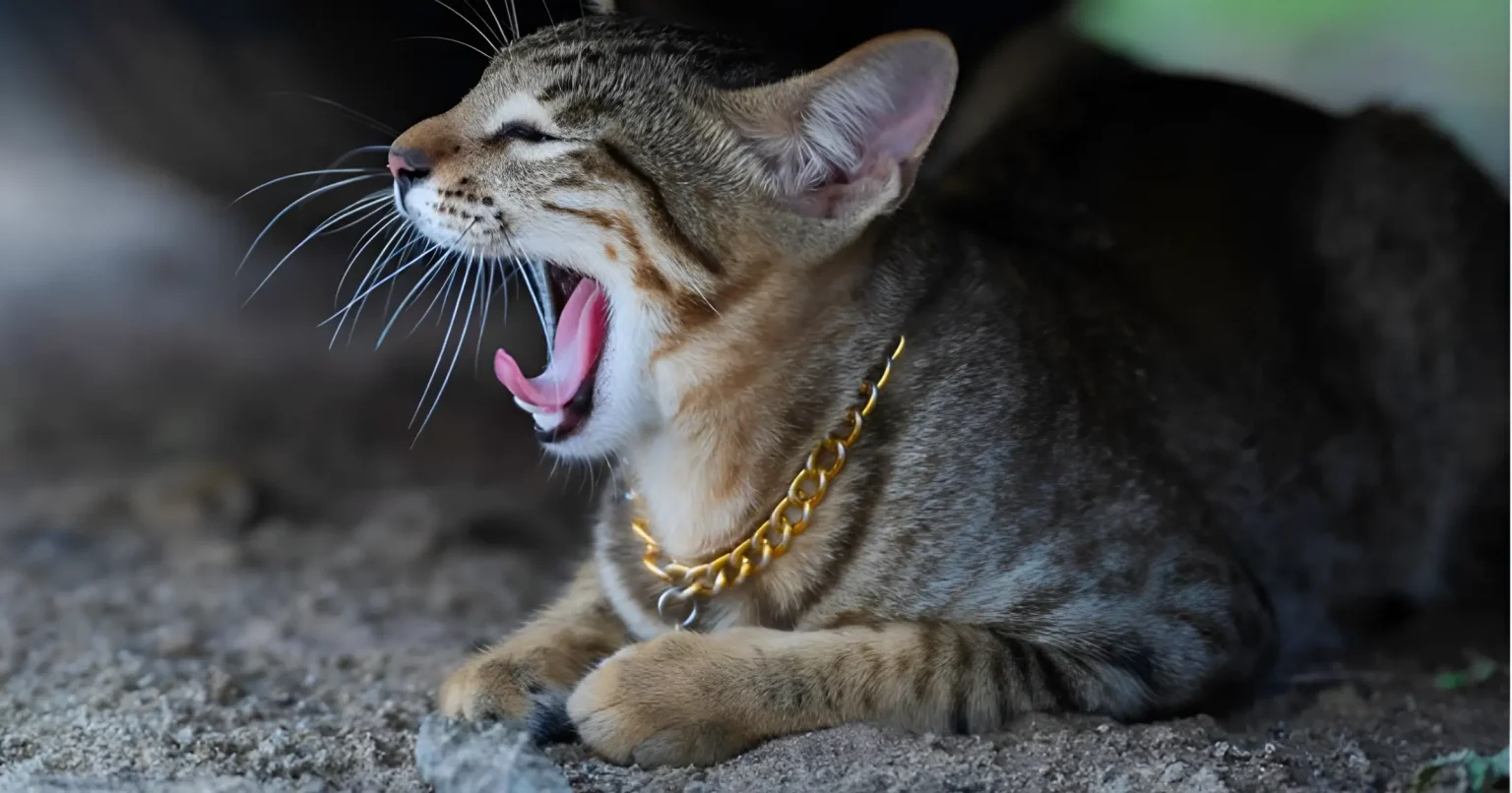
Cats are expressive creatures, and meowing is their way of communicating. But if your feline suddenly becomes extra vocal, it could be trying to tell you something important. Why is my cat meowing so much all of a sudden, Understanding why your cat is meowing so much all of a sudden can help you determine whether it’s normal behavior or a sign that something’s wrong.
Understanding Cat Communication
Cats meow primarily to communicate with humans — not with other cats. Every meow has a meaning depending on its tone, length, and frequency. When your cat suddenly starts meowing excessively, it’s crucial to interpret what it’s trying to say.
1. Hunger or Thirst
One of the most common reasons your cat may be meowing so much all of a sudden is hunger. Cats quickly learn that meowing gets them what they want — especially food. If you’ve changed feeding times or your cat’s bowl is empty, expect more vocal protests. Similarly, make sure your cat has access to fresh water at all times.
2. Seeking Attention
Sometimes, your cat just wants your company. Excessive meowing can be a sign that it’s bored or lonely, particularly if you’ve been busier than usual. Cats are social creatures who crave affection and interaction. Spending time playing or cuddling can reduce the vocalization dramatically.
3. Medical Issues or Discomfort
If your cat is suddenly vocalizing more than usual, it might be in pain or discomfort. Conditions like hyperthyroidism, urinary tract infections, or arthritis can make your cat restless and more vocal. Watch for other symptoms such as changes in appetite, grooming, or litter box habits. If the behavior persists, visit your vet immediately.
4. Aging and Cognitive Changes
Older cats often meow more due to confusion or anxiety caused by cognitive dysfunction (similar to dementia in humans). If your senior cat wanders the house at night crying, it may be experiencing disorientation or vision problems. Keeping lights dim at night and providing comfort can help.
5. Stress or Anxiety
Environmental stressors are another major reason why your cat is meowing so much all of a sudden. Moving to a new home, a change in furniture, a new pet, or even loud noises can cause distress. Cats are sensitive to routine changes, and their meowing can be an outlet for anxiety.
6. Mating Behavior
If your cat isn’t spayed or neutered, hormones could be the reason behind excessive meowing. Female cats in heat tend to vocalize loudly to attract mates, while males meow when they sense a nearby female. Spaying or neutering your cat can help reduce this behavior and also prevent unwanted litters.
7. Territory and Outdoor Cats
When cats see other animals outside, such as stray cats or birds, they may start meowing or yowling due to territorial instincts. This is common for indoor cats who feel frustrated about not being able to chase or defend their territory. Closing curtains or providing distractions can help calm them.
8. Separation Anxiety
Cats can form deep emotional bonds with their owners. If you’re away from home more often than usual, your cat may meow constantly to express its distress. Leaving behind familiar scents, using calming pheromone diffusers, or providing toys can make it feel more secure.
9. Changes in Environment or Routine
Cats thrive on consistency. Even minor changes — such as new furniture, different feeding schedules, or visiting guests — can lead to excessive vocalization. If your cat’s environment has changed recently, give it time to adjust. Re-establishing a routine will help your cat feel safe again.
10. Communication Between Cats
If you have multiple cats, excessive meowing might be part of their social interaction. Sometimes, cats meow to assert dominance or establish boundaries. Observe their behavior to ensure that it’s not turning into aggression or stress.
How to Calm a Cat That’s Meowing Too Much
If you’re wondering why your cat is meowing so much all of a sudden and how to fix it, the key lies in understanding the cause. Here’s what you can do:
- Provide consistent feeding times to prevent food-related meows.
- Spend quality time playing with your cat daily to reduce boredom.
- Keep the environment calm and avoid sudden changes.
- Check for signs of illness and consult a vet if needed.
- Use soothing tones instead of yelling — cats respond better to calm reassurance.
When to See a Vet
Persistent meowing accompanied by other unusual behaviors — like hiding, limping, vomiting, or appetite loss — could signal a medical issue. Don’t ignore these signs. A vet can run diagnostic tests to rule out health concerns and offer solutions tailored to your cat’s condition.
Preventing Excessive Meowing in the Future
Once you’ve addressed the immediate cause, maintaining a balanced environment is key. Regular feeding, mental stimulation, and scheduled vet visits can prevent behavioral problems. Cats that feel secure and well-cared-for are generally quieter and more relaxed.
FAQs About Why Cats Meow So Much All of a Sudden
Q1: Is excessive meowing a sign of illness?
Yes, it can be. If your cat is suddenly vocal and shows other signs of distress or behavioral change, it’s best to consult a vet.
Q2: Can boredom cause my cat to meow constantly?
Absolutely. Cats need mental stimulation. Without it, they can become restless and vocal.
Q3: Why does my cat meow at night?
Nighttime meowing often happens when a cat feels lonely, anxious, or disoriented — especially older cats.
Q4: Should I ignore my cat when it meows too much?
Ignoring meowing can help if it’s attention-seeking behavior, but make sure it’s not caused by pain or hunger first.
Q5: How long does it take for a cat to stop excessive meowing?
It depends on the cause. Once the underlying issue is addressed — whether it’s hunger, stress, or health — the meowing usually decreases within a few days or weeks.
Final Thoughts on Why Your Cat Is Meowing So Much All of a Sudden
Excessive meowing can be frustrating, but it’s your cat’s way of communicating. Instead of ignoring it, pay attention to what your pet is trying to tell you. Whether it’s hunger, stress, or a medical issue, identifying the cause early ensures your cat stays happy and healthy. By keeping a stable environment, regular feeding schedule, and showing consistent affection, you can help your cat feel secure — and bring peace back to your home.
For More Visits: Animalsinfo
Also Read: Why Is My Dog Sneezing So Much | 7 Helpful 2025 Tips


