


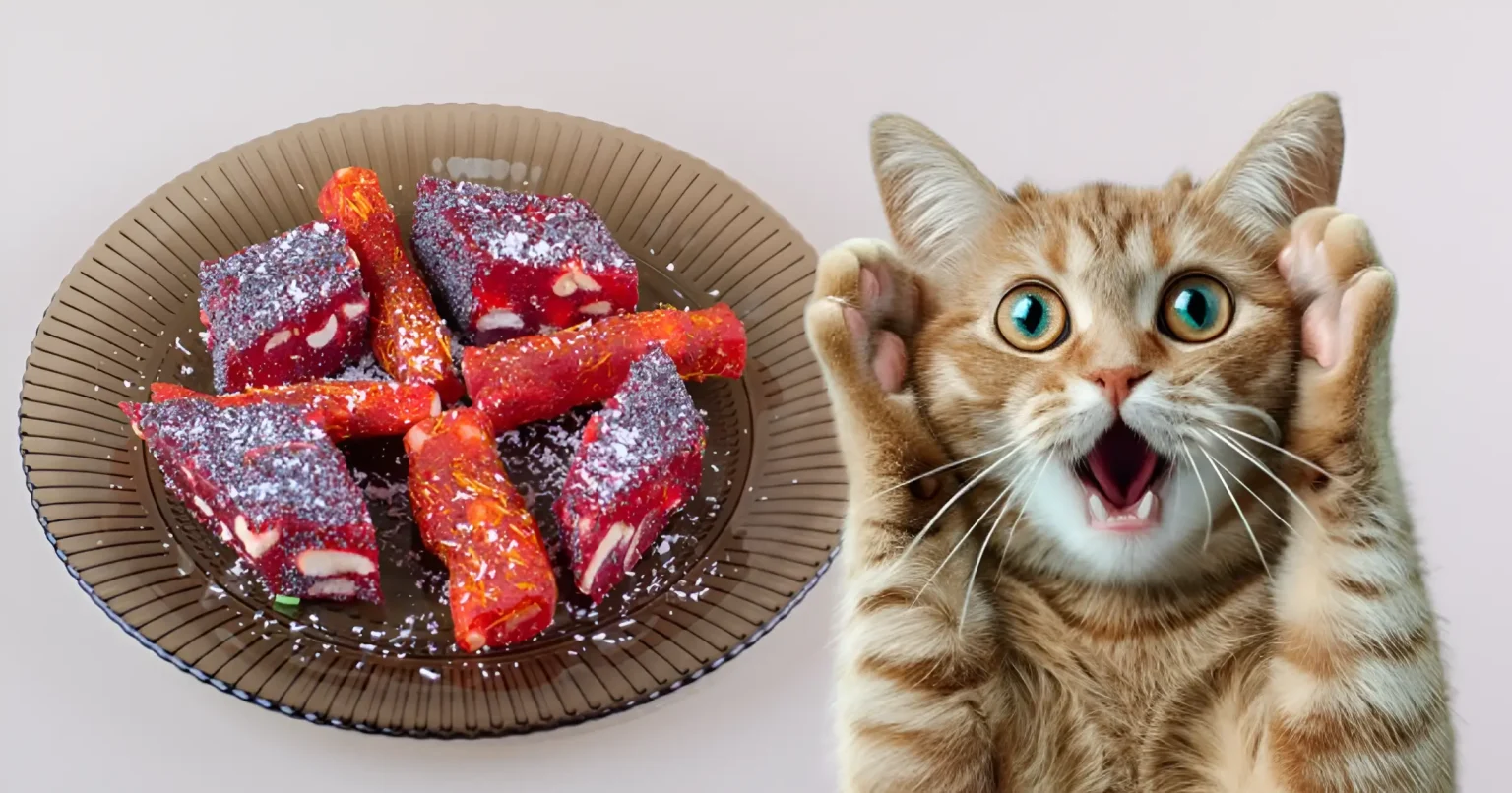
If you’re a cat owner who loves snacking on beef jerky, you’ve probably wondered — can cats eat beef jerky? It smells meaty and delicious, and since cats are natural carnivores, it’s tempting to share a piece with them. But before offering any to your feline friend, it’s important to understand how beef jerky is made and whether it’s actually safe for cats to eat.
Let’s explore everything you need to know about cats and beef jerky — including its risks, ingredients, and healthier alternatives for your pet.
What Exactly Is Beef Jerky?
Beef jerky is dried, seasoned meat that’s preserved using salt and other ingredients. The drying process removes moisture, making it chewy and long-lasting. While this snack is great for humans on the go, it’s not created with cats in mind.
Most types of jerky — even “plain” ones — are packed with sodium, spices, and preservatives that are harmful to cats in even small amounts. So, while it may look like pure meat, the hidden ingredients make it a risky treat.
Can Cats Eat Beef Jerky Safely?
Technically, cats can eat a tiny piece of plain beef jerky without immediate danger, but that doesn’t mean they should. The real concern lies in the additives and high salt content that come with most commercial jerky brands.
Cats’ bodies are not built to handle large amounts of sodium or artificial flavors. A single strip of beef jerky can contain more salt than a cat should have in an entire day, leading to dehydration or even sodium poisoning if eaten often.
So, the short answer to can cats eat beef jerky is no, it’s not recommended for regular consumption.
Why Beef Jerky Is Bad for Cats
Here’s why this seemingly harmless snack can be dangerous for your pet:
1. Excessive Sodium:
Beef jerky contains high levels of salt, used for preservation. Too much sodium can cause vomiting, diarrhea, tremors, and in severe cases, seizures or kidney damage in cats.
2. Harmful Seasonings:
Many jerky flavors include onion, garlic powder, black pepper, or chili — all toxic to cats. Even small traces of onion or garlic can destroy red blood cells and lead to anemia.
3. Artificial Preservatives:
Brands often add chemicals like nitrates and nitrites to extend shelf life. These substances are unhealthy for humans in large amounts — and even more harmful to cats.
4. Tough Texture and Choking Risk:
Beef jerky is very chewy and tough. Cats could choke on it or damage their teeth while trying to bite through the hardened meat.
5. Dehydration:
Since jerky is dried and heavily salted, it can increase thirst and cause dehydration in cats, especially if they don’t drink enough water afterward.
Are There Any Benefits to Beef Jerky for Cats?
The only potential benefit is protein, which cats do need in their diet. However, they already get high-quality protein from cat food that’s specifically formulated to meet their nutritional needs.
Beef jerky’s risks far outweigh its minimal benefits. So, while your cat might enjoy the smell, there’s no real reason to give it to them when safer treats exist.
What to Do If Your Cat Eats Beef Jerky
If your cat accidentally eats a small piece of beef jerky, don’t panic. In most cases, a tiny nibble won’t cause harm.
However, you should observe them closely for signs of discomfort such as:
- Excessive drooling
- Vomiting or diarrhea
- Unusual thirst or urination
- Lethargy or shaking
If any of these symptoms appear, contact your vet immediately.
And if your cat manages to eat a large amount or flavored jerky containing onion or garlic, seek veterinary help right away — it could be toxic.
Healthy Alternatives to Beef Jerky for Cats
If your cat loves meat, there are plenty of safe alternatives that satisfy their cravings without risking their health.
- Freeze-dried meat treats: Look for single-ingredient options like freeze-dried chicken, salmon, or beef.
- Cooked plain meat: Offer small amounts of boiled or baked beef, chicken, or turkey with no salt, seasoning, or oil.
- Commercial cat treats: Choose high-protein, grain-free treats designed for feline nutrition.
These alternatives give your cat that meaty satisfaction — minus the salt, spices, and preservatives.
How to Prevent Your Cat from Eating Beef Jerky
Cats are curious and have strong noses, so keeping beef jerky away from them is important. Store it in sealed containers or high shelves where your cat can’t reach.
Avoid leaving jerky packets open or unattended, especially if your cat is known for stealing food from tables or bags.
FAQs About Cats and Beef Jerky
Q1: Can cats eat plain beef jerky with no seasoning?
Even plain beef jerky is high in sodium and not suitable for cats. It’s better to stick to unsalted, cooked meat instead.
Q2: What if my cat licks beef jerky?
A quick lick likely won’t hurt them, but regular exposure should be avoided due to the salt and preservatives.
Q3: Is homemade beef jerky safe for cats?
If you make jerky at home using plain, unseasoned beef with no salt or additives, a tiny bit as an occasional treat is fine — but it shouldn’t replace their main food.
Q4: Can kittens eat beef jerky?
No, kittens have even more sensitive stomachs and kidneys. The sodium and spices can easily make them sick.
Q5: What kind of jerky can cats eat?
Cats can safely eat cat-specific jerky treats made from pure meat without preservatives or seasoning. Always check labels before buying.
Final Thoughts
So, can cats eat beef jerky? The answer is no — it’s not a safe or healthy snack for your feline friend. While cats are natural meat-eaters, beef jerky’s high salt, spices, and additives can cause more harm than good.
If your cat loves the smell or taste of jerky, give them safer options like freeze-dried meat treats or plain cooked beef instead. These will satisfy their meat cravings while keeping their health intact.
Your cat’s diet should always prioritize natural, simple, and species-appropriate nutrition — not processed human snacks. The next time your cat gives you those pleading eyes while you open a jerky pack, remember: a small act of restraint today keeps your furry friend healthy tomorrow.
For More Visits: Animalsinfo
Also Read: What Does It Mean When a Cat Winks at You? Sweet Signs 2025