


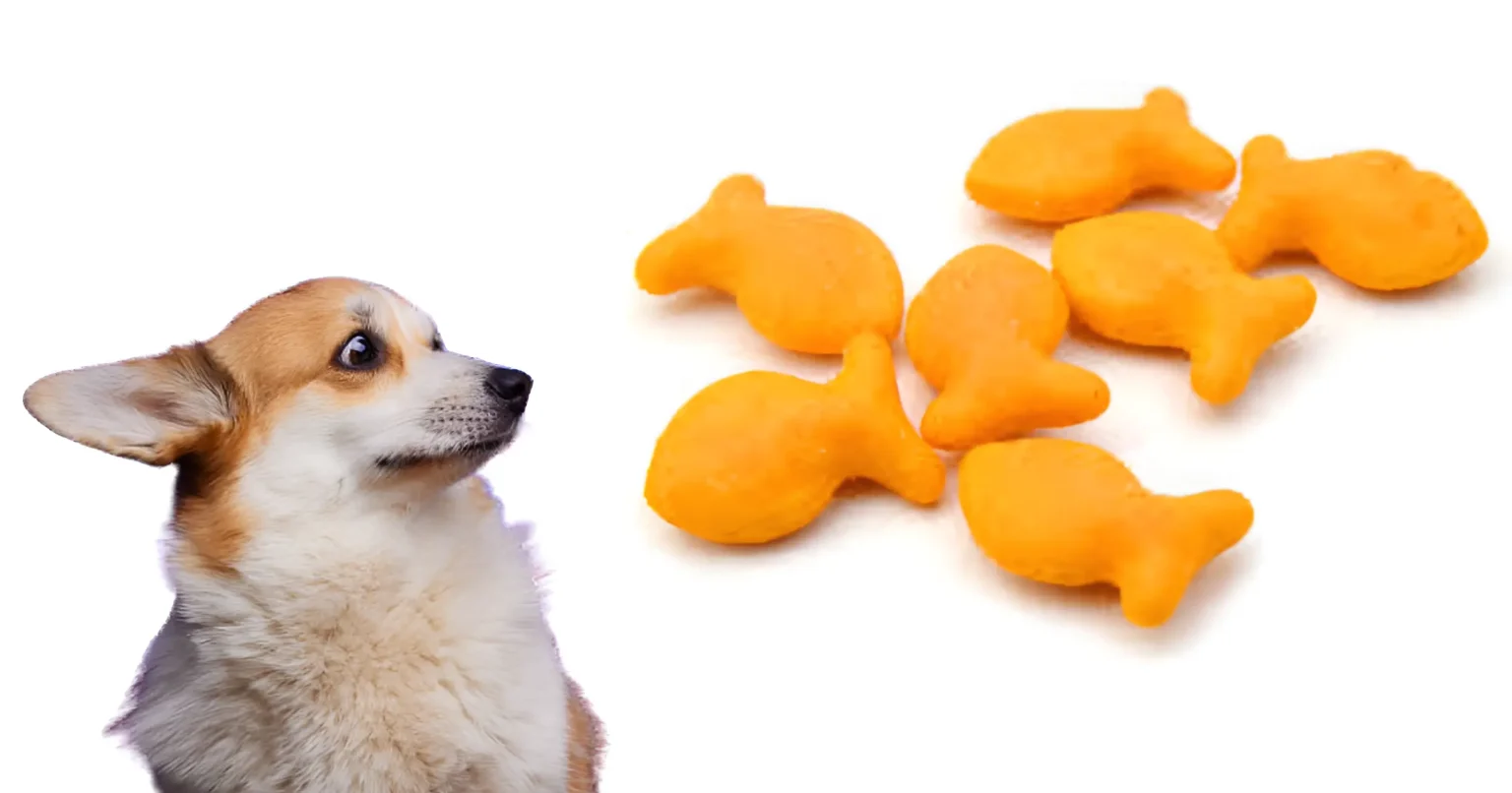
Many dog owners have asked the same question while sharing snacks with their pets: can dogs eat goldfish? These tiny, crunchy crackers look harmless and smell mild enough that most dogs eagerly try to get a taste. But even though they seem simple, Goldfish crackers contain ingredients that are not suitable for a dog’s digestive system. Understanding what makes them unsafe can help you protect your dog from unwanted discomfort or long-term health concerns.
Before diving into the details, the short answer is clear: no, dogs should not eat Goldfish crackers. And while a small accidental bite is not usually dangerous, making it a regular treat is definitely not recommended. To understand why, we need to look closely at what Goldfish crackers contain, why dogs react differently to certain ingredients, and what happens when a dog consumes snacks made for humans rather than pets.
Understanding the Snack: What’s Inside Goldfish Crackers
When people ask, can dogs eat goldfish, they often assume the snack is simple because it’s marketed as a children’s treat. But the ingredient list tells a different story. Goldfish crackers contain salt, cheese flavoring, oils, enriched flour, preservatives, and seasonings. All of these ingredients are meant for human taste buds, not canine health.
Dogs do not need flavored, salty, or enriched snacks. Their nutritional needs are entirely different from ours. While humans can handle additives, stabilizers, and processed food without immediate issues, dogs process food more slowly and react more strongly to certain ingredients. This makes even a fun-looking snack like Goldfish potentially uncomfortable or harmful for them.
Salt Content and Why It Matters for Dogs
One of the biggest reasons the answer to can dogs eat goldfish is “no” relates to salt. Goldfish crackers contain a noticeable amount of sodium, especially considering how small each cracker is.
Dogs are extremely sensitive to salt intake. Their bodies are designed to receive sodium naturally from fresh, unprocessed food. When a dog eats salty snacks, it can lead to excessive thirst, dehydration, and in extreme cases, salt poisoning. While a few crackers won’t push a dog into a medical crisis, feeding them regularly increases the risk of long-term issues.
Because dogs cannot balance sodium levels the way humans do, giving them a salty snack brings unnecessary stress to their system. This is one of the strongest reasons Goldfish should never become a dog treat.
Artificial Flavors and Cheese Powder Sensitivity
When asking can dogs eat goldfish, another important factor is the cheese flavoring. Goldfish crackers come with a cheese powder coating that contains artificial flavors, milk-based ingredients, and additives that give the crackers their signature taste.
Many dogs are lactose-sensitive, meaning their stomachs cannot easily process dairy. Even though Goldfish crackers only contain small amounts of cheese, this can still lead to:
- gas
- bloating
- soft stool
- stomach discomfort
Artificial cheese isn’t actual cheese. It includes oils, preservatives, and flavoring agents. These ingredients have no nutritional value for dogs and can irritate their stomach lining. So while Goldfish crackers smell delicious to a dog, the flavoring makes them a poor choice for canine digestion.
Preservatives: Another Hidden Problem
Since Goldfish crackers are designed to sit on store shelves for months, they include preservatives that prevent them from spoiling. These additives extend the product’s shelf life but offer zero benefits to dogs.
When considering can dogs eat goldfish, preservatives are another reason to avoid them. Dogs can react to processed additives with symptoms such as itching, digestive upset, or inflammatory responses. Their bodies are not meant to process multiple artificial compounds at once.
Even if a dog does not show a visible reaction the first time, feeding these crackers repeatedly increases the chances of irritation or intolerance.
Empty Calories and Weight Gain
Another important aspect is nutrition. When owners ask, can dogs eat goldfish, they often forget that dogs need nutrient-dense food. Goldfish crackers are high in carbs, low in protein, and filled with ingredients that do nothing for a dog’s health.
For dogs that already struggle with weight control, even small snacks can contribute to slow weight gain. The more frequently a dog consumes calorie-heavy human food, the more difficult weight management becomes.
Dogs who gain weight easily may also develop other issues like:
- reduced mobility
- pressure on joints
- slower digestion
- increased risk of heart strain
Since Goldfish crackers add calories without nutrients, they’re simply not a smart treat option.
What Happens if Your Dog Already Ate Goldfish Crackers?
Many pet owners only ask can dogs eat goldfish after their dog has already snatched some. Fortunately, a few crackers are not usually dangerous. Most dogs will digest the snack without major issues.
However, afterward, your dog may experience:
- mild thirst
- slight stomach rumbling
- softer stool
- temporary gas
These are short-term effects caused by salt and flavoring. They typically resolve on their own as long as the dog has access to water.
The main concern arises if a dog consumes:
- an entire bag
- a large handful
- Goldfish repeatedly over days
In these situations, watch for:
- vomiting
- diarrhea
- drooling
- lethargy
- excessive panting
If symptoms persist, a vet should be contacted.
Are Goldfish Crackers Toxic?
No, Goldfish crackers are not toxic in the sense of being poisonous. They simply contain ingredients that irritate a dog’s system when consumed in excess. This is why the answer to can dogs eat goldfish is primarily based on long-term health concerns rather than immediate toxicity.
A dog won’t drop sick after one cracker. But making the snack a habit can slowly cause digestive imbalance, weight gain, or sodium overload.
Healthier Treats to Give Instead
Since the answer to can dogs eat goldfish is no for regular feeding, it’s helpful to know safer alternatives. Dogs respond well to simple, natural treats.
Better snack choices include:
- plain cooked chicken
- sliced carrots
- apple pieces without seeds
- blueberries
- plain popcorn without salt or butter
- dog biscuits made with simple ingredients
These snacks support digestion, give your dog vitamins and minerals, and avoid unnecessary additives.
Why Dogs Beg for Goldfish Even if They Shouldn’t Eat Them
Dogs beg for Goldfish crackers because:
- they smell salty
- they contain cheese-like flavoring
- they’re crunchy
- dogs see humans eating them
But just because a dog wants something doesn’t mean it’s ok for them. Dogs explore the world through scent and taste, and the appealing smell doesn’t mean the snack is designed for their bodies.
When owners consistently ask can dogs eat goldfish, it often comes from guilt when refusing a begging dog. But saying no protects your pet’s long-term health.
Should Goldfish Be Used as Training Treats?
No. Training treats should be small, healthy, protein-based rewards. Using Goldfish crackers as training treats would cause a dog to consume way too much salt and flavoring during a single session.
High-value training treats should support learning while protecting health—something Goldfish crackers cannot do.
Do Dogs Like Goldfish Because of the Cheese Flavor?
Yes, many dogs love the cheesy smell. But liking something does not make it healthy. Some dogs even love the smell of onions or garlic, both dangerous to them. So the question can dogs eat goldfish remains the same even if your dog seems obsessed with the crackers.
Can Puppies Eat Goldfish Crackers?
Puppies should never eat Goldfish crackers. Their digestive system is more sensitive than adult dogs. Even small amounts of sodium or seasoning can upset their stomachs. Puppies need simple, nutrient-dense food to grow properly.
Conclusion
So, can dogs eat goldfish? The answer is no. Goldfish crackers contain salt, artificial flavors, preservatives, and empty calories that do not support a dog’s health. While one or two crackers are unlikely to cause severe issues, making them a regular treat is not safe. Dogs thrive on natural, simple snacks—not processed human foods.
Keeping Goldfish crackers as a human-only snack is the safest choice. Your dog will be happier and healthier with alternatives that nourish rather than irritate.
FAQs
1. Can dogs eat goldfish in small amounts?
A small accidental bite is usually fine, but it should not become a habit.
2. Are Goldfish crackers poisonous to dogs?
No, but they contain ingredients that can irritate a dog’s system.
3. What should I do if my dog ate a handful of Goldfish?
Offer water, monitor their behavior, and watch for stomach issues.
4. Are Goldfish healthier than other human snacks for dogs?
No. They’re salty, flavored, and processed.
5. What treats are safer than Goldfish crackers?
Lean meats, vegetables, fruits, and dog-specific treats made from simple ingredients.
For More Visits: Animalsinfo
Also Read: Can Dogs Eat Chestnuts – Healthy Power Snack 2025