

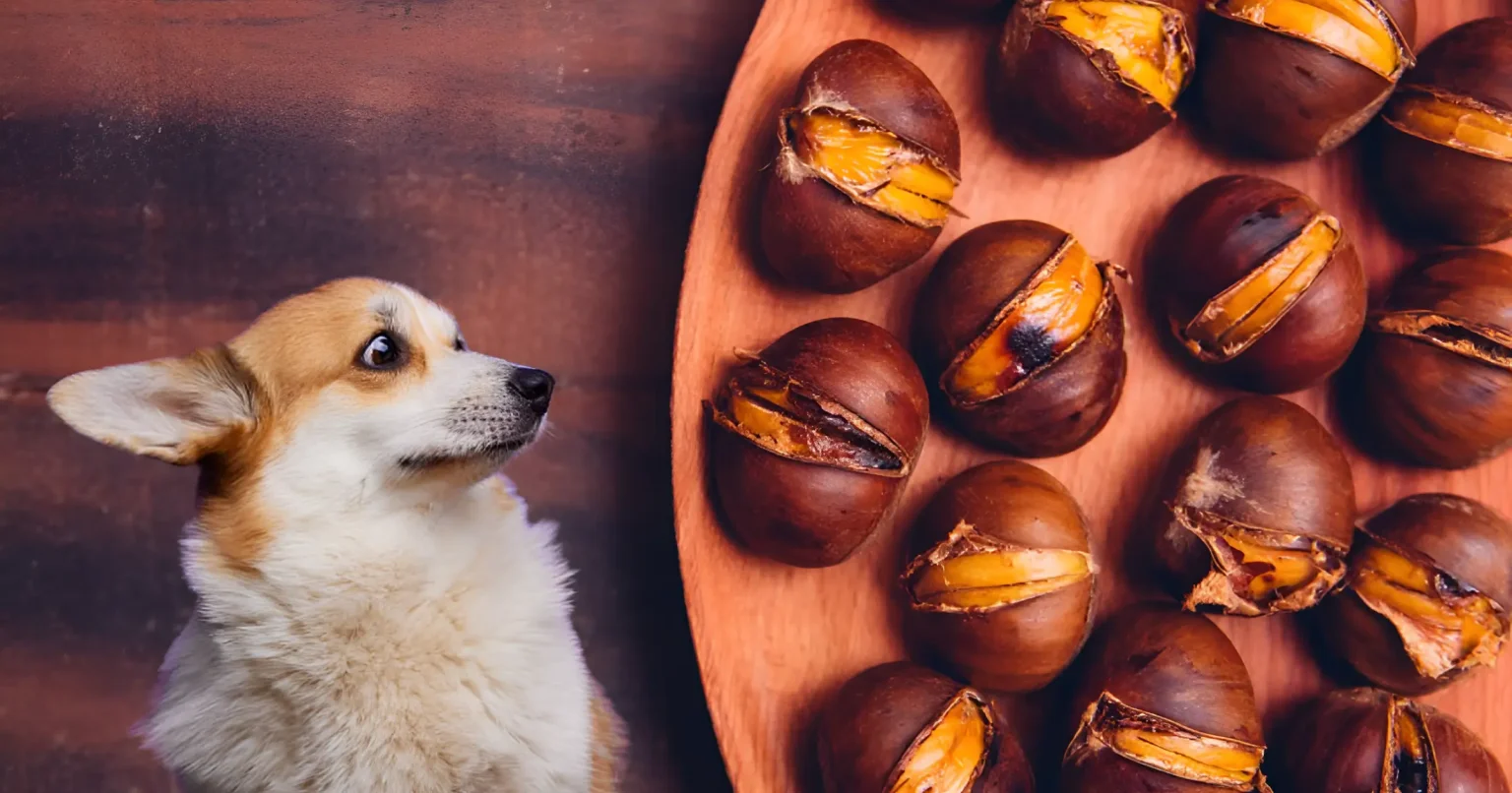
Chestnuts are a delicious and nutritious snack for humans, especially during the colder months, but if you have a dog at home, you might be wondering — can dogs eat chestnuts? The short answer is yes, dogs can eat chestnuts in moderation, as long as they are plain, cooked, and unsalted. However, not all chestnuts are safe, and feeding them the wrong way can cause health problems.
This detailed guide will explain everything you need to know about feeding chestnuts to dogs, including their nutritional value, safety precautions, and how to prepare them properly.
Are Chestnuts Safe for Dogs?
Yes, chestnuts are generally safe for dogs when fed in small amounts and prepared correctly. They’re not toxic like macadamia nuts or walnuts, but they do require some caution. Chestnuts are dense and starchy, so large amounts can be hard for dogs to digest.
The main concern with chestnuts isn’t toxicity but choking hazards, digestive issues, and added seasonings (like salt, sugar, or butter) that are unsafe for dogs.
When giving your dog chestnuts, always make sure they are:
- Fully cooked (boiled or roasted plain)
- Unsalted and unseasoned
- Peeled (remove the hard outer shell and inner skin)
- Given in small bite-sized pieces
Nutritional Benefits of Chestnuts for Dogs
When prepared safely, chestnuts can offer several nutritional benefits for dogs. They’re a source of plant-based carbohydrates and contain several essential nutrients that support your dog’s health.
Here’s why chestnuts can be a healthy occasional treat:
- Rich in Fiber: Helps regulate digestion and support a healthy gut.
- Source of Vitamin C: Boosts immunity and helps with tissue repair.
- Contains Omega Fatty Acids: Promotes a shiny coat and healthy skin.
- Low in Fat: Safer than other nuts like peanuts or almonds, making them suitable for dogs prone to weight gain.
- Packed with Minerals: Provides magnesium, potassium, and iron for energy and muscle function.
While chestnuts offer some benefits, they should never replace a balanced diet. Think of them as a healthy snack — not a staple food.
The Difference Between Safe and Unsafe Chestnuts
It’s crucial to understand that not all “chestnuts” are safe for dogs. Some nuts that look like chestnuts are actually toxic.
- Edible (Sweet) Chestnuts: These are safe for dogs when cooked and plain.
- Horse Chestnuts (Buckeyes): These are toxic to dogs and can cause vomiting, tremors, or even paralysis.
Make sure the chestnuts you’re feeding your dog are the edible kind commonly sold in grocery stores — not those found on the ground or in the wild.
How to Prepare Chestnuts for Dogs
Knowing how to prepare chestnuts properly is the key to ensuring your dog’s safety. Follow these steps to make them dog-friendly:
- Choose Raw, Edible Chestnuts: Avoid horse chestnuts or processed nuts.
- Remove the Shell and Inner Skin: These are tough and can cause choking.
- Boil or Roast Without Seasoning: Do not use salt, butter, or oil.
- Cool Before Serving: Hot chestnuts can burn your dog’s mouth.
- Cut into Small Pieces: Especially for small breeds, to prevent choking.
Boiling is often the safest cooking method because it keeps the chestnuts soft and easy to chew.
Can Dogs Eat Raw Chestnuts?
While raw chestnuts aren’t toxic, they are hard and difficult to digest. The texture of raw chestnuts can also increase the risk of choking or intestinal blockage, especially in smaller dogs.
Always cook chestnuts before feeding them to your dog. Cooking softens the texture, makes them easier to digest, and removes any bacteria or contaminants that might be present on the surface.
How Many Chestnuts Can Dogs Eat?
Moderation is very important when feeding chestnuts to dogs. Because chestnuts are high in carbohydrates, giving too many can lead to stomach upset, gas, or even weight gain.
Here’s a simple guideline:
- Small dogs: ½ chestnut, chopped into small pieces
- Medium dogs: 1–2 chestnuts
- Large dogs: 2–3 chestnuts
Feed chestnuts as an occasional treat — not every day. Once or twice a week is more than enough.
Can Puppies Eat Chestnuts?
Puppies should not eat chestnuts until they are older and their digestive systems are fully developed. Puppies are more sensitive to new foods and high-fiber snacks, so introducing chestnuts too early can cause stomach upset or diarrhea.
If you want to give your puppy a soft, natural treat, stick to dog-safe fruits and vegetables like boiled sweet potatoes or small pieces of banana instead.
Health Risks of Feeding Chestnuts to Dogs
Even though chestnuts can be safe, there are a few risks to consider before feeding them to your pet:
- Choking Hazard: The shell and large pieces can get lodged in your dog’s throat.
- Digestive Issues: Too much fiber can lead to gas or diarrhea.
- High in Carbohydrates: Not ideal for dogs with diabetes or those prone to obesity.
- Toxic Varieties: Horse chestnuts or buckeyes are poisonous and should never be fed to dogs.
- Seasoned Chestnuts: Chestnuts with butter, salt, or spices can lead to salt toxicity or pancreatitis.
Always keep chestnut servings plain, small, and infrequent.
What to Do If Your Dog Eats Horse Chestnuts
If you suspect your dog has eaten horse chestnuts (which are toxic), contact a veterinarian immediately. Symptoms of poisoning can appear within hours and may include:
- Vomiting or diarrhea
- Drooling or excessive salivation
- Weakness or tremors
- Loss of coordination
- Difficulty breathing
Quick medical treatment can prevent serious complications, so it’s always best to act fast.
Can Dogs Eat Chestnut Flour or Puree?
Chestnut flour and chestnut puree are safe for dogs only if they are 100% pure and unsweetened. Many store-bought versions contain sugar, salt, or flavoring, which can be harmful.
If you’re baking homemade dog treats, you can use chestnut flour as an ingredient — but in small quantities and always balanced with other dog-safe ingredients like oats, pumpkin, or peanut butter (xylitol-free).
How to Store Cooked Chestnuts for Dogs
If you cook a batch of chestnuts for your dog, you can store them safely by:
- Keeping them in an airtight container in the refrigerator for up to 3 days.
- Freezing them in small portions for up to 3 months.
Always thaw them fully and serve at room temperature before feeding.
Healthy Alternatives to Chestnuts for Dogs
If your dog doesn’t enjoy chestnuts or you want to switch things up, here are a few other healthy and safe snack options:
- Carrots: Crunchy and great for dental health.
- Pumpkin: Good for digestion and rich in vitamins.
- Apples (without seeds): Provide fiber and vitamin C.
- Blueberries: Full of antioxidants.
- Sweet Potatoes: A nutritious, natural source of carbs.
All these alternatives are safer and easier to digest than nuts.
FAQs About Dogs and Chestnuts
1. Can dogs eat roasted chestnuts?
Yes, dogs can eat roasted chestnuts as long as they’re plain, without salt, oil, or butter.
2. Can dogs eat chestnut shells?
No. The shells are hard, indigestible, and pose a choking risk.
3. Can dogs eat horse chestnuts?
Absolutely not. Horse chestnuts are toxic to dogs and can cause serious poisoning.
4. Are chestnuts fattening for dogs?
Chestnuts are lower in fat than other nuts but still high in carbohydrates. Feed them in moderation to avoid weight gain.
5. Can dogs eat chestnuts from the ground?
No. Wild chestnuts may be contaminated or toxic varieties. Only feed store-bought edible chestnuts.
Final Thoughts
So, can dogs eat chestnuts? Yes — but only the edible, sweet kind, and only when cooked, peeled, and served plain in small amounts. Chestnuts can provide fiber, vitamins, and minerals, making them a healthy occasional treat.
Avoid raw or seasoned chestnuts, and never feed horse chestnuts, which are toxic. When given responsibly, chestnuts can be a fun, nutrient-rich snack your dog will enjoy without harm.
Always keep moderation in mind and watch your dog for any digestive changes after introducing new foods. Safe feeding equals a happy, healthy dog.
For More Visits: Animalsinfo
Also Read: Can Dogs Have Soy Sauce – Important Safety Guide 2025