

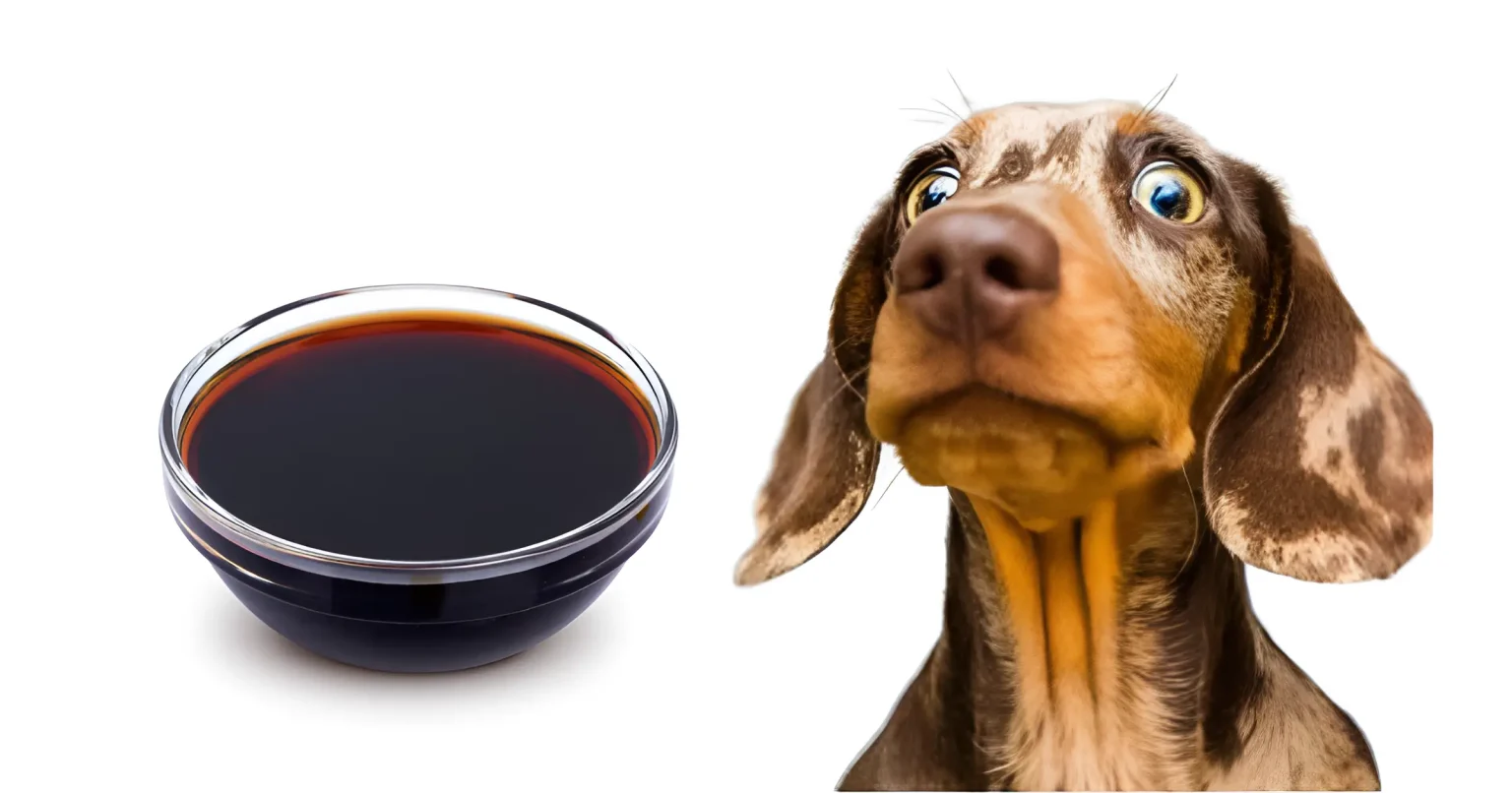
Soy sauce is a common kitchen staple used to enhance flavor in countless dishes, but when it comes to your furry companion, this condiment is best kept off their plate. Many pet owners might wonder, can dogs have soy sauce — especially when their pet licks some off the floor or snatches a bite of food that contains it. The answer is no, dogs should not eat soy sauce. It can be harmful due to its high sodium content and potential for causing salt poisoning, dehydration, and other serious health issues.
Let’s take a detailed look at why soy sauce is dangerous for dogs, what happens if they eat it, and what to do if your dog accidentally consumes some.
Why Soy Sauce Is Dangerous for Dogs
While soy itself isn’t necessarily toxic to dogs in small amounts, soy sauce contains extremely high levels of sodium, which can quickly become dangerous. Unlike humans, dogs can’t process large quantities of salt effectively. Even a small spoonful of soy sauce can exceed a dog’s recommended daily sodium intake.
One tablespoon of soy sauce can contain over 900 milligrams of sodium, which is excessive for any dog, regardless of size. Consuming this much salt can lead to sodium ion poisoning — a potentially life-threatening condition.
What Happens If a Dog Eats Soy Sauce
If your dog eats soy sauce, even in small quantities, they may experience symptoms of salt toxicity within a short time. The effects depend on how much soy sauce your dog consumed and their size, age, and health condition.
Common symptoms of salt poisoning or sodium toxicity include:
- Excessive thirst and urination
- Vomiting and diarrhea
- Weakness or lethargy
- Tremors or seizures
- Loss of balance or coordination
- Dehydration
- In severe cases, coma or death
If your dog exhibits any of these symptoms after consuming soy sauce, you should contact a veterinarian immediately.
Can Dogs Have a Small Amount of Soy Sauce?
Even small amounts of soy sauce are not recommended. Dogs are much smaller than humans, and their bodies are not equipped to handle the same levels of sodium. Just licking a bit from the floor or eating a piece of food soaked in soy sauce can upset your dog’s stomach or increase their thirst significantly.
For small dogs or puppies, even half a teaspoon can be too much. The risk isn’t worth taking.
Why Sodium Is Dangerous for Dogs
Sodium is an essential mineral in a dog’s diet, but only in controlled quantities. Their regular dog food already contains the necessary amount of sodium for proper cell and nerve function. Adding soy sauce introduces excessive salt, leading to electrolyte imbalances and dehydration.
In severe cases, too much sodium can cause kidney damage, neurological issues, or even death. This is why it’s crucial to keep salty condiments like soy sauce far away from your dog’s reach.
What to Do If Your Dog Eats Soy Sauce
If your dog accidentally consumes soy sauce, take immediate action based on how much they ate.
- Assess the amount consumed: If it’s just a small lick, monitor your dog closely. Provide plenty of fresh water to help flush out the sodium.
- Watch for symptoms: Look for signs like excessive drooling, vomiting, diarrhea, or tiredness.
- Contact your vet: If your dog consumed more than a small lick or shows any unusual symptoms, call your veterinarian right away.
- Do not induce vomiting unless advised by a professional. This can sometimes make things worse depending on your dog’s condition.
Prompt medical attention is crucial, especially if your dog is small, elderly, or has pre-existing kidney or heart issues.
Hidden Sources of Soy Sauce in Dog Food
Sometimes pet owners unintentionally feed soy sauce to their dogs by offering foods seasoned with it, like rice, noodles, or meat. Even small traces of soy sauce in takeout meals can be harmful. Many Asian-inspired dishes use soy sauce as a base, so always double-check before sharing human food with your pet.
Dogs should never consume any of the following foods that typically contain soy sauce or high sodium levels:
- Fried rice
- Stir-fried vegetables or meats
- Sushi or soy-marinated fish
- Ramen or soups with soy-based broth
Even a few bites of these foods can lead to dehydration or salt poisoning.
Are There Safe Alternatives to Soy Sauce for Dogs?
If you want to prepare a dog-friendly meal that mimics savory flavors without soy sauce, there are healthy alternatives that are safe and flavorful:
- Low-sodium chicken broth: Adds flavor to your dog’s food while providing hydration.
- Unsalted bone broth: Rich in nutrients and great for joint and gut health.
- Coconut aminos: Although lower in sodium, it should still be used sparingly and only with vet approval.
Always opt for unseasoned and natural flavor enhancers instead of salty condiments.
Is Soy Sauce Toxic or Just Unhealthy?
Soy sauce isn’t technically toxic in the same way as chocolate or xylitol, but it is dangerously unhealthy due to its salt content. For some dogs, it can cause an immediate reaction, while for others, long-term exposure to high-sodium foods may lead to chronic kidney problems or high blood pressure.
Even low-sodium soy sauce varieties aren’t safe for dogs because they still contain much more salt than what a dog’s system can tolerate.
Can Dogs Eat Food Cooked with Soy Sauce?
No, dogs should not eat food cooked or marinated in soy sauce. The salt and potential spices, such as garlic, onion, or ginger, that often accompany soy sauce are all harmful to dogs. Even when diluted during cooking, soy sauce retains enough sodium to harm your dog’s health over time.
If you’re preparing a meal for your dog that includes meat or vegetables, always cook them plain — no salt, oil, or seasonings.
How to Prevent Soy Sauce Accidents
Prevention is the best way to protect your pet. Here are a few tips to keep your dog safe:
- Store soy sauce bottles securely and out of reach.
- Avoid feeding table scraps or leftovers that contain seasoning.
- Educate family members and guests not to share their meals with the dog.
- Train your dog not to snatch food from tables or countertops.
By taking these steps, you’ll reduce the chances of your dog ingesting soy sauce or other harmful condiments.
What to Feed Instead of Soy Sauce-Flavored Foods
If your dog loves flavorful food, you can make healthy homemade alternatives without soy sauce:
- Boiled chicken or turkey: Lean, protein-packed, and easy to digest.
- Steamed vegetables: Carrots, broccoli, and green beans are safe choices.
- Rice or oatmeal: Gentle on the stomach and can be mixed with plain meats.
These meals keep your dog happy and healthy without risking their well-being.
FAQs About Dogs and Soy Sauce
1. Can dogs have soy sauce in small amounts?
No. Even small quantities can cause dehydration or sodium poisoning. It’s best to avoid soy sauce completely.
2. What if my dog licked a plate with soy sauce on it?
If it was a small lick, provide water and monitor your dog. Contact your vet if any symptoms develop.
3. Can dogs have low-sodium soy sauce?
No. Low-sodium varieties still contain excessive salt for dogs and should not be used.
4. What happens if my dog drinks a lot of soy sauce?
Large amounts can cause salt poisoning, leading to vomiting, seizures, or even death. Immediate veterinary care is required.
5. Are soy-based foods safe for dogs?
Some soy-based foods like tofu can be safe in moderation, but soy sauce and processed soy products with salt or spices are not suitable.
Final Thoughts
So, can dogs have soy sauce? The answer is a firm no. While soy sauce enhances flavor for humans, it poses serious health risks for dogs. Its high sodium content can cause dehydration, salt poisoning, and long-term organ damage.
To keep your dog safe, always serve unseasoned, natural foods and avoid condiments altogether. If your dog accidentally consumes soy sauce, provide fresh water immediately and seek veterinary advice.
A balanced diet free from added salt and artificial flavorings is the best way to ensure your dog’s long, healthy, and happy life.
For More Visits: Animalsinfo
Also Read: Can Dogs Eat Artichokes – Healthy Superfood Guide 2025