


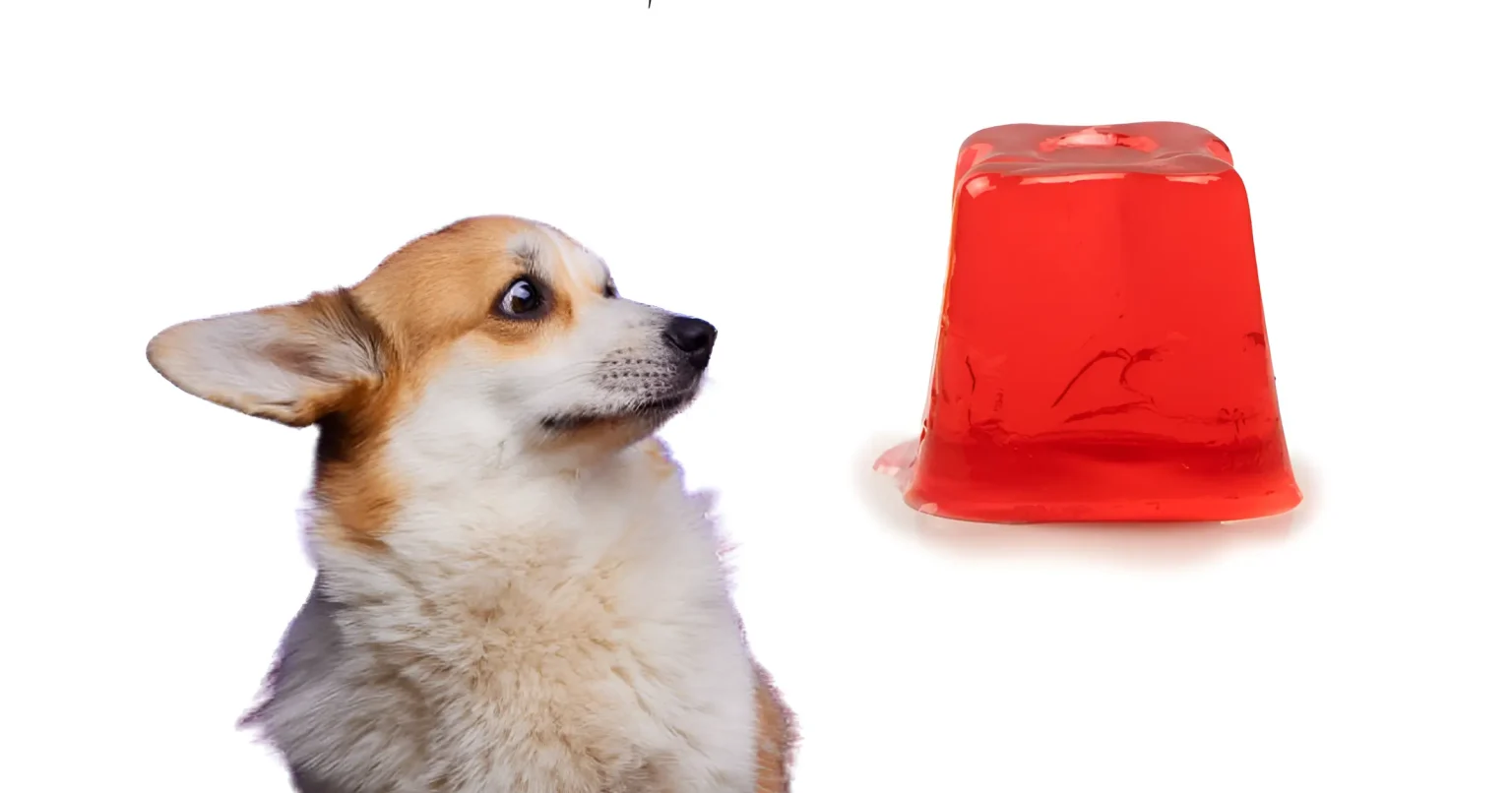
Pet owners love treating their dogs with fun snacks, especially colorful foods like Jello. Its bright appearance and sweet taste may tempt you to share a bite with your furry friend. But can dogs eat Jello safely? The short answer is: it depends on the ingredients, and in most cases, Jello is not recommended for dogs.
This detailed guide explains whether dogs can eat Jello, the risks involved, safe alternatives, and what to do if your dog has already eaten some.
What Is Jello Made Of? Understanding the Ingredients
Jello is a gelatin-based dessert commonly made from:
- Gelatin
- Artificial flavors
- Artificial colors
- Sugar or sweeteners
- Preservatives
- Water
While plain gelatin is safe for dogs, the other ingredients in commercial Jello can be harmful.
1. Gelatin
Gelatin is actually healthy for dogs. It supports joint health, improves skin elasticity, and benefits digestion. Many pet owners use unflavored gelatin to make homemade dog treats.
2. Sugar
Commercial Jello contains extremely high amounts of sugar. Dogs are not designed to handle this much sugar, and it can lead to:
- Weight gain
- Tooth decay
- Diabetes
- Digestive upset
3. Artificial Colors
Red, blue, green, and yellow dyes are common in Jello. These artificial colors have no nutritional value and may trigger allergies in sensitive dogs.
4. Artificial Flavors
Flavors like strawberry or lime are synthetic and can irritate your dog’s stomach.
5. Sweeteners
This is the biggest concern. Many sugar-free Jello products use xylitol, a deadly sweetener for dogs.
Is Jello Bad for Dogs?
Most store-bought Jello is unsafe because of added sugar, dyes, and especially xylitol. So while a tiny lick may not cause serious harm, regular feeding is not advised.
Why Commercial Jello Is Risky
• High Sugar Content
Dogs do not need sugar in their diet. Too much sugar can lead to:
- Hyperactivity
- Vomiting or diarrhea
- Inflammation
- Long-term obesity or diabetes
• Artificial Ingredients
Artificial flavors and colors can cause:
- Skin allergies
- Behavioral changes
- Stomach issues
• Toxic Sweeteners (Xylitol)
Sugar-free Jello containing xylitol is extremely dangerous. Even a small amount can lead to:
- Rapid insulin release
- Severe hypoglycemia
- Seizures
- Liver failure
- Death
Xylitol poisoning happens within minutes to an hour, making it a medical emergency.
Can Dogs Eat Sugar-Free Jello?
Absolutely not.
Sugar-free Jello often contains xylitol, which is toxic for dogs.
If you see “sugar-free,” “low calorie,” or anything labeled for dieting or diabetic use, do not give it to your dog.
What If Your Dog Accidentally Eats Jello?
1. If It Contains Sugar (No Xylitol)
If your dog eats a small amount of sugary Jello:
- They may experience mild stomach upset.
- Diarrhea or vomiting is possible.
- Offer plenty of water.
- Monitor them for 24 hours.
Most dogs will be fine unless they eat a large quantity.
2. If It Contains Xylitol
This is an emergency.
Signs of xylitol poisoning include:
- Weakness
- Sudden vomiting
- Trembling
- Loss of coordination
- Seizures
- Collapse
If you suspect xylitol exposure:
🚨 Go to a vet IMMEDIATELY.
🚨 Do not wait for symptoms to appear.
Early treatment can save your dog’s life.
Can Dogs Eat Homemade Jello?
Yes — but only if made correctly, using safe, dog-friendly ingredients.
How to Make Dog-Safe Jello at Home
A simple homemade gelatin treat can be made using:
- Unflavored gelatin powder
- Dog-safe broth (chicken or beef without onion/garlic)
- Pure fruit purée (optional, dog-safe fruits only)
- Water
Ingredients to Avoid
Never use:
- Sugar
- Artificial colors
- Artificial flavors
- Store-bought fruit juices
- Anything containing xylitol
- Fruits toxic to dogs (grapes, cherry pits, citrus peels)
Homemade gelatin snacks are healthy, natural, and beneficial for joints and digestion.
Are There Any Benefits of Gelatin for Dogs?
Plain gelatin has several health benefits:
1. Joint Support
Gelatin supports cartilage and improves mobility, especially in older dogs.
2. Digestive Health
It helps soothe the gut lining and aids digestion.
3. Skin and Coat Improvement
Gelatin promotes healthier skin and a shiny coat.
4. Stronger Nails
Its amino acids contribute to stronger nails and better overall skin structure.
So while Jello itself is not healthy, plain gelatin offers real benefits.
Healthy Alternatives to Jello for Dogs
Instead of giving sugary, artificial Jello, try these safe options:
1. Plain Gelatin Cubes
Mix unflavored gelatin with water or broth.
2. Frozen Fruit Treats
Use:
- Watermelon (seedless)
- Blueberries
- Strawberries
- Banana slices
3. Frozen Yogurt Bites (Unsweetened)
Blend plain yogurt with dog-safe fruits.
4. Broth Ice Cubes
Dogs love chilled chicken or beef broth cubes on hot days.
5. Pumpkin Gelatin Treats
Combine pumpkin purée with unflavored gelatin for a fiber-rich snack.
Signs Your Dog Is Sensitive to Jello Ingredients
Even if a small amount didn’t cause immediate harm, watch for symptoms such as:
- Red or itchy skin
- Vomiting or diarrhea
- Gas and bloating
- Excessive thirst
- Hyperactivity
- Lethargy
If symptoms persist, contact your veterinarian.
How Much Jello Can a Dog Safely Eat?
If it’s store-bought Jello, the safe amount is:
➡️ None
If it’s homemade dog-safe gelatin, you can offer:
- Small dogs: 1 teaspoon – 1 tablespoon
- Medium dogs: 1–2 tablespoons
- Large dogs: 2–4 tablespoons
Because gelatin is high in protein, too much can still upset stomachs.
Frequently Asked Questions About Dogs and Jello
1. Can dogs eat red Jello?
Red Jello is usually flavored with artificial strawberry and contains dyes and sugar. It is not recommended.
2. Can dogs eat blue Jello?
No. Blue Jello contains artificial colors and sweeteners that may be harmful.
3. Can dogs eat fruit-flavored Jello?
Most fruit-flavored Jellos contain artificial ingredients. Avoid them.
4. Can dogs eat Jello shots?
Absolutely not — Jello shots contain alcohol, which is toxic to dogs.
5. Can puppies eat Jello?
Puppies are more sensitive than adult dogs. Never give Jello to puppies.
Final Verdict: Can Dogs Eat Jello?
Dogs should not eat commercial or sugar-free Jello, as it contains artificial ingredients, unhealthy sugars, and sometimes deadly sweeteners like xylitol.
However, dog-safe, homemade gelatin treats made from unflavored gelatin and dog-friendly ingredients can be a healthy and enjoyable snack.
Safe Jello Rule for Dogs:
✔️ Plain homemade gelatin = OK
❌ Commercial Jello = Avoid
❌ Sugar-free Jello = Dangerous & toxic
If your dog has already eaten Jello, monitor their behavior and check the ingredient list — especially for xylitol.
For More Visits: Animalsinfo
Also Read: Can Dogs Eat Goldfish? 5 Positive Facts 2025 Guide