


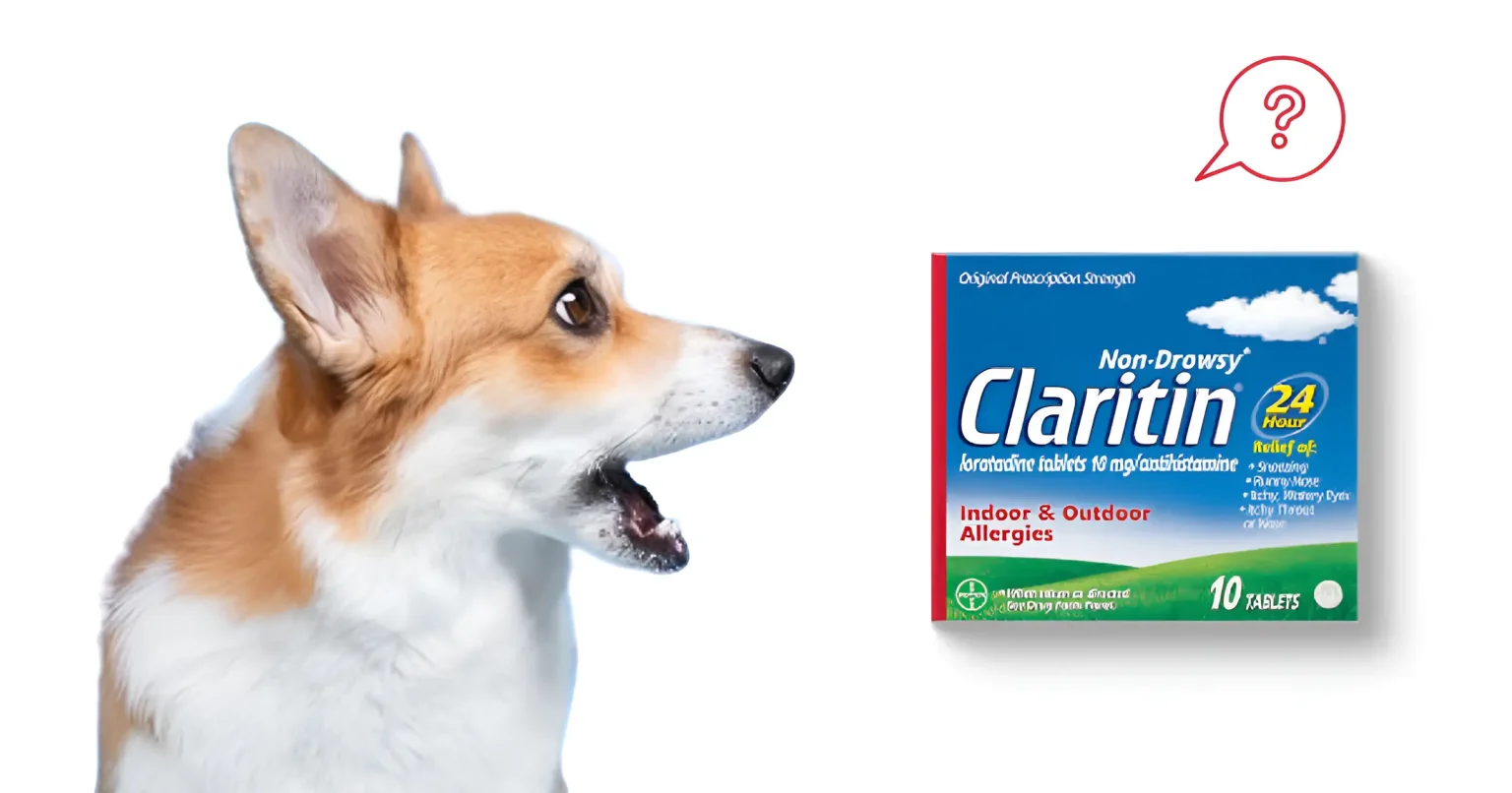
When your dog starts scratching, sneezing, or showing signs of allergies, it’s natural to wonder if human allergy medicine might help. One of the most common questions pet owners ask is — can dogs take Claritin? Claritin, also known by its generic name loratadine, is an over-the-counter antihistamine that helps reduce allergy symptoms in humans. But can it safely be used for dogs? The short answer is yes, dogs can take Claritin — but only under the guidance of a veterinarian.
Claritin works by blocking histamines, which are chemicals released by the body during allergic reactions. When dogs suffer from environmental or seasonal allergies, Claritin can help reduce itching, swelling, watery eyes, and sneezing. However, not all dogs react the same way, so proper dosage and veterinary supervision are essential.
When Can Dogs Take Claritin?
Claritin can be useful for dogs dealing with mild allergic reactions. These can include allergies caused by pollen, dust, insect bites, or certain foods. Many vets recommend Claritin as a safer alternative to other antihistamines like Benadryl, as it causes less drowsiness.
So, can dogs take Claritin for skin allergies or seasonal allergies? Yes, they can — but only in specific situations. It’s generally prescribed for:
- Seasonal allergies causing itching or red skin
- Allergic reactions to bug bites
- Minor food-related allergic symptoms
- Runny nose or watery eyes due to pollen or dust
It’s not meant to replace medical treatment for severe reactions or chronic issues like dermatitis, so professional advice is necessary.
Correct Claritin Dosage for Dogs
Getting the dosage right is crucial when giving your dog Claritin. The typical human dosage is not suitable for dogs, so it’s important to adjust it according to their weight. Usually, veterinarians recommend about 0.2 mg to 0.5 mg of Claritin per pound of body weight once or twice a day.
For example:
- A 10-pound dog may take 2 mg to 5 mg per dose.
- A 25-pound dog may take around 5 mg to 10 mg per dose.
Still, before giving your pet any medication, always confirm the exact dosage with your vet. Claritin tablets come in several forms, including Claritin-D, which must be avoided because it contains pseudoephedrine — a substance that’s extremely toxic to dogs.
Can Dogs Take Claritin Safely Every Day?
You might wonder if it’s okay for dogs to take Claritin daily. In most cases, dogs can take Claritin once daily for a limited period, depending on the severity of their allergies. It’s generally safe for short-term use, but long-term use should only happen under a veterinarian’s supervision.
While Claritin is non-sedating and has fewer side effects than other antihistamines, dogs can develop tolerance over time. Always monitor your dog’s condition and discuss with your vet if the allergy symptoms persist.
Potential Benefits of Claritin for Dogs
If used properly, Claritin can offer several benefits for your pet’s health and comfort. Here’s how Claritin can help dogs suffering from allergies:
- Reduces itchiness and scratching caused by allergic reactions
- Helps relieve watery eyes and runny nose
- Decreases redness and swelling of the skin
- Improves overall comfort during allergy seasons
Claritin can make your dog feel much better, but it’s not a cure for allergies — it only manages the symptoms. Identifying the root cause of the allergy remains essential.
Possible Side Effects of Claritin in Dogs
Even though dogs can take Claritin, there are potential side effects if the dosage is too high or if your dog has a sensitivity to the medication. Common side effects include:
- Drowsiness or lethargy
- Dry mouth
- Diarrhea
- Vomiting
- Loss of appetite
If your dog experiences excessive drooling, rapid heartbeat, or tremors, seek immediate veterinary attention. These could indicate an overdose or allergic reaction to Claritin itself.
Can Puppies Take Claritin?
If you’re wondering whether puppies can take Claritin, the answer is usually no, unless specifically advised by a vet. Puppies have developing immune systems and may not process medication the same way as adult dogs. For younger dogs, always consult a veterinarian for safe allergy treatment options.
Can Dogs Take Claritin-D?
This is one of the most important points for pet owners. Dogs cannot take Claritin-D under any circumstances. Claritin-D contains pseudoephedrine, which can be deadly for dogs, even in small amounts. It affects the heart and nervous system, leading to seizures, elevated blood pressure, and even death. Always check the packaging label before giving any medication to ensure it’s plain Claritin or loratadine only.
Alternatives to Claritin for Dogs
While dogs can take Claritin, there are other options your vet might recommend based on your pet’s condition. Some alternatives include:
- Benadryl (diphenhydramine): Helps with itching and mild allergies but can cause drowsiness.
- Zyrtec (cetirizine): Another non-drowsy antihistamine safe for many dogs.
- Prescription allergy medications: If over-the-counter options don’t work, your vet may prescribe Apoquel or Cytopoint for long-term allergy management.
Each dog reacts differently, so professional guidance ensures the safest and most effective treatment.
Can Dogs Take Claritin for Itchy Skin?
Yes, dogs can take Claritin to relieve itchy skin caused by mild allergic reactions. If your dog scratches excessively after being outdoors or develops small red patches, Claritin can help ease discomfort. However, if the itching is due to infections, fleas, or chronic skin issues, antihistamines alone may not be effective. Your vet can help determine the real cause of the itching before starting medication.
When Not to Give Claritin to Dogs
There are certain conditions where dogs should not take Claritin. Avoid giving it if your dog:
- Has liver or kidney problems
- Is pregnant or nursing
- Takes other medications that may interact with Claritin
- Has been diagnosed with hyperthyroidism or heart disease
Always share your dog’s medical history with the vet before introducing any human medicine.
Vet Recommendations on Claritin for Dogs
Veterinarians often approve Claritin as a safe antihistamine for dogs with mild to moderate allergies. However, they stress that dosage accuracy and brand selection are critical. Never self-medicate your pet or assume human doses are safe. Your vet will determine whether Claritin is good for your dog and how long it should be administered.
Many vets prefer Claritin over Benadryl because it doesn’t cause sedation and is better tolerated by most breeds. But still, every dog is unique, and medical advice should always come first.
FAQs About Claritin and Dogs
Can dogs take Claritin with food?
Yes, Claritin can be given with or without food. Giving it with food may help prevent mild stomach upset.
How fast does Claritin work in dogs?
Claritin usually starts working within one to two hours after ingestion, with effects lasting up to 24 hours.
Can Claritin help dogs with flea allergies?
It can reduce the itching caused by flea bites, but you must still use flea prevention treatments.
What if I miss a dose?
If you forget a dose, give it as soon as possible unless it’s almost time for the next one. Never double up doses.
Is generic loratadine safe for dogs?
Yes, generic loratadine is safe if it doesn’t contain pseudoephedrine or other additives. Always read the label carefully.
Final Thoughts: Can Dogs Take Claritin Safely?
So, can dogs take Claritin? Yes, they can — but only with the right dosage, guidance, and product. Claritin can be an effective allergy relief option for dogs suffering from mild environmental or seasonal allergies. It helps reduce itching, redness, and sneezing without causing heavy sedation.
However, avoid Claritin-D at all costs, and never use it without your vet’s recommendation. Each dog has unique health needs, and professional supervision ensures the medicine is both safe and effective.
When used responsibly, dogs can take Claritin to live more comfortably during allergy seasons, enjoying happier, itch-free days by your side.
For More Visits: Animalsinfo
Also Read: Is Seaweed Good for Dogs | 5 Healthy 2025 Benefits