

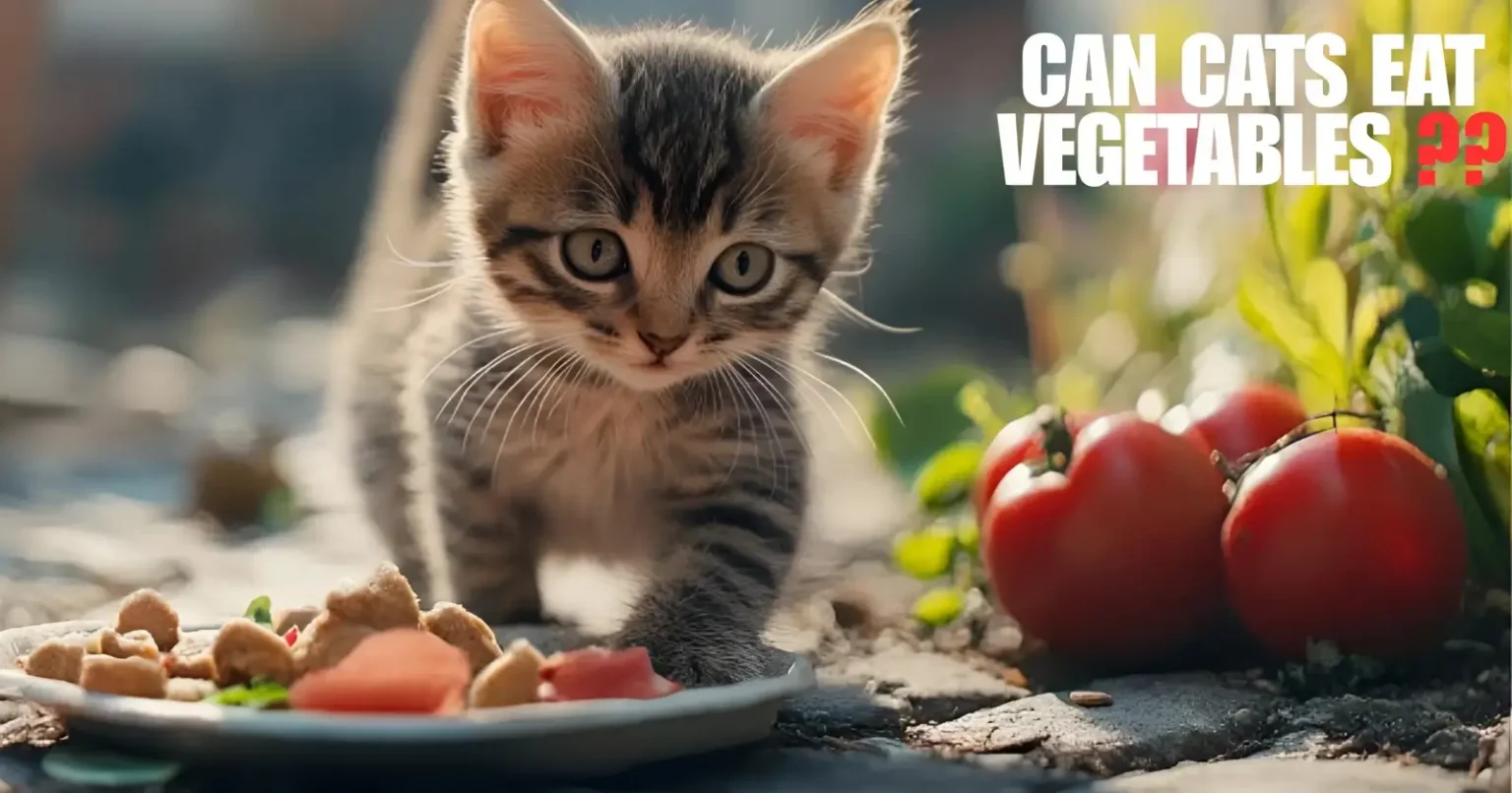
Cats are obligate carnivores, meaning their bodies are designed primarily to process animal-based proteins. However, as a cat owner, you might notice your feline eyeing your plate of vegetables or nibbling on a leafy green. This often raises the question: can cats eat vegetables safely?
The short answer is yes, some vegetables are safe for cats in moderation, but they should never replace a meat-based diet. Vegetables can offer vitamins, minerals, and fiber, but not all vegetables are suitable. Certain plants and vegetables are toxic to cats and can cause digestive issues or more serious health problems.
This comprehensive guide explains which vegetables are safe, the potential benefits, risks, preparation methods, and frequently asked questions about feeding vegetables to cats.
Why Consider Vegetables for Cats?
While cats primarily rely on protein and fat from animal sources, vegetables can provide supplemental nutrients. Some potential reasons to consider adding vegetables to your cat’s diet include:
- Fiber support: Certain vegetables can help regulate digestion and prevent constipation.
- Vitamins and antioxidants: Vegetables contain vitamins such as vitamin A, C, and K, as well as antioxidants that support overall health.
- Weight management: Low-calorie vegetables can serve as occasional fillers or treats for overweight cats.
It’s important to remember that these benefits are supplemental and should not replace the protein-rich diet cats require for optimal health.
Safe Vegetables for Cats
Not all vegetables are created equal when it comes to feline nutrition. The following vegetables are generally safe for cats in small, cooked, or raw portions:
- Carrots: High in beta-carotene; can be steamed or finely chopped for easier digestion.
- Pumpkin: Rich in fiber, supports digestion and can help with constipation or diarrhea.
- Zucchini: Low-calorie and easy to digest; often mixed into cat food.
- Green beans: Provide fiber and are safe when steamed or cooked plain.
- Peas: Contain vitamins A, C, K, and fiber; can be cooked and mashed.
Vegetables should always be served plain—without oils, butter, garlic, onions, or seasoning. Even small amounts of certain seasonings can be toxic to cats.
Vegetables Cats Should Avoid
Some vegetables are toxic or unsafe for cats and must be avoided entirely:
- Onions and garlic: Can damage red blood cells, leading to anemia.
- Chives: Toxic to cats; can cause vomiting and gastrointestinal upset.
- Leeks: Related to onions; also toxic.
- Tomato leaves and stems: While ripe tomatoes are sometimes tolerated, the green parts are toxic.
- Potato leaves and sprouts: Can contain solanine, which is harmful.
Feeding unsafe vegetables, even in small quantities, can lead to serious health issues. Always research a vegetable before offering it to your cat.
How to Prepare Vegetables for Cats
Proper preparation ensures that vegetables are safe and digestible:
- Wash thoroughly: Remove any dirt, pesticides, or residues.
- Cook or steam: While some vegetables are safe raw, steaming or boiling makes them easier to digest.
- Cut into small pieces: Helps prevent choking, especially for smaller cats.
- Avoid seasonings: Garlic, onion, salt, pepper, and oil can be harmful.
Some vegetables, like pumpkin or carrots, can be mashed or pureed and mixed into your cat’s regular food for easier consumption.
Can Cats Eat Raw Vegetables?
Cats can eat some raw vegetables, but digestion may be more difficult. Cats lack the enzymes needed to break down certain plant fibers, so lightly cooking or steaming vegetables is usually recommended.
Vegetables such as green beans or peas may be offered raw in very small amounts, but always monitor your cat for signs of digestive upset.
Health Benefits of Vegetables for Cats
When fed appropriately, vegetables can provide several health benefits:
- Digestive health: High-fiber vegetables can improve stool consistency and prevent constipation.
- Immune support: Antioxidants in vegetables can reduce oxidative stress and support overall immune function.
- Weight management: Low-calorie vegetables can supplement an overweight cat’s diet without increasing fat intake.
However, these benefits are secondary to a cat’s main diet of protein and fat from animal sources.
Risks of Feeding Vegetables to Cats
Even safe vegetables carry some risks if not prepared or served correctly:
- Digestive upset: Too much fiber can cause diarrhea or bloating.
- Choking hazard: Large, uncut pieces can pose a choking risk.
- Nutritional imbalance: Excessive vegetable intake can dilute essential protein and fat in a cat’s diet.
- Toxicity from wrong vegetables: Feeding onions, garlic, or other harmful plants can lead to severe illness.
Moderation is key, and vegetables should never exceed 10% of a cat’s daily caloric intake.
Can Kittens Eat Vegetables?
Kittens have highly sensitive digestive systems and should primarily consume a balanced diet of kitten-formulated food. Some safe vegetables can be introduced in tiny, cooked portions after a few months of age.
Start with very small amounts and observe your kitten for digestive upset. Leafy greens like spinach or cooked pumpkin may be offered sparingly.
Vegetables as Treats
Vegetables can serve as occasional treats for adult cats. Many cats enjoy the texture and mild flavor of vegetables, especially when mixed with their regular food. Examples include:
- Steamed carrots or green beans as finger treats
- Small amounts of pumpkin puree mixed into meals
- Mashed peas blended with wet food
These treats should be low in quantity and always plain.
Vegetables and Weight Management
For overweight cats, vegetables can be used strategically to provide bulk without increasing calories. Fiber-rich vegetables help your cat feel full while consuming fewer calories.
Avoid starchy vegetables like potatoes or corn, which may contribute to weight gain. Stick to low-calorie options such as green beans, zucchini, or pumpkin.
Signs Your Cat Tolerates Vegetables Well
Cats will generally tolerate safe vegetables without negative effects, but monitor for:
- Normal stool consistency
- No vomiting or diarrhea
- Continued appetite and energy levels
If your cat exhibits digestive upset or unusual behavior after eating vegetables, discontinue them and consult your veterinarian.
The Final Answer: Can Cats Eat Vegetables?
Yes, cats can eat certain vegetables in moderation. While they are obligate carnivores and require a protein-rich diet, vegetables like pumpkin, green beans, carrots, zucchini, and peas can be safe supplements.
Vegetables should always be prepared plain, cooked when necessary, and offered in small portions. Avoid toxic vegetables like onions, garlic, and chives. Used responsibly, vegetables can provide fiber, vitamins, antioxidants, and occasional variety to a cat’s diet without replacing essential protein and fat.
Frequently Asked Questions (FAQs)
1. Can cats eat vegetables every day?
Yes, in small amounts as a supplement to a protein-rich diet.
2. Are raw vegetables safe for cats?
Some raw vegetables are safe in tiny portions, but steaming or cooking improves digestibility.
3. Which vegetables are toxic to cats?
Onions, garlic, chives, leeks, tomato leaves, and potato sprouts are toxic.
4. Can kittens eat vegetables?
Kittens can try tiny, cooked portions after a few months of age.
5. Do vegetables help cats with digestion?
High-fiber vegetables like pumpkin or green beans can improve bowel regularity.
6. Can vegetables help with weight management in cats?
Yes, low-calorie vegetables can provide bulk and fiber without adding extra fat.
7. How should vegetables be prepared for cats?
Wash thoroughly, cook or steam if needed, cut into small pieces, and serve plain.
8. Can cats eat leafy greens?
Some leafy greens like spinach are safe in moderation, but avoid toxic greens like kale sprouts with high oxalate content.
9. Can vegetables replace meat in a cat’s diet?
No, cats require protein and fat from animal sources to thrive. Vegetables are only supplemental.
10. How much vegetable can a cat eat safely?
Vegetables should not exceed 10% of a cat’s daily caloric intake.
Conclusion
Vegetables can be a safe and nutritious addition to your cat’s diet when chosen carefully and prepared correctly. By sticking to safe options, using moderation, and observing your cat’s reactions, vegetables can provide fiber, vitamins, and variety while supporting your cat’s overall health and well-being.
For More Visits: Animalsinfo