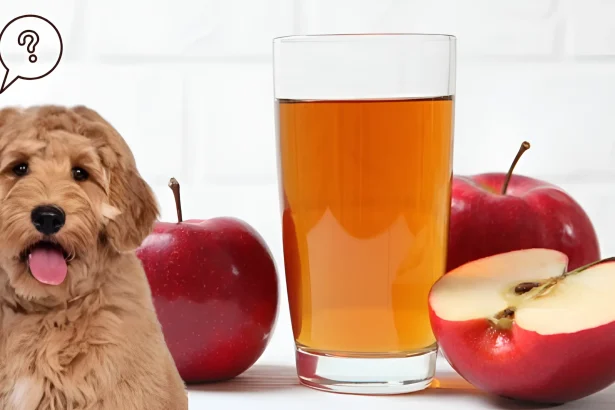



Apples are one of the most popular fruits worldwide. Their crisp texture, sweet-tart flavor, and nutritional value make them a common snack for humans. If you have a dog, you may have wondered: can dogs eat apples safely? Can these crunchy fruits be a healthy treat, or do they pose hidden risks?
The short answer is yes, dogs can eat apples, but there are important considerations. Apples are packed with vitamins, fiber, and antioxidants, making them a nutritious occasional treat for dogs. However, certain parts of the apple, such as seeds and the core, can be harmful. The key is proper preparation, portion control, and understanding your dog’s unique health needs.
This comprehensive guide explores the benefits and risks of feeding apples to dogs, how to prepare them safely, the best serving methods, and answers to common questions dog owners have.
Are Apples Safe for Dogs?
Apples are generally safe for dogs when fed properly. They provide a healthy alternative to processed treats and can even be used as a reward during training sessions.
However, safety depends on preparation. Apple seeds contain small amounts of cyanogenic compounds, which can release cyanide when digested. While a few seeds are unlikely to harm a large dog, they can be dangerous if consumed in large quantities, especially for smaller dogs. The core should also be removed to avoid choking hazards.
By removing the seeds and core, apples can be a safe, nutritious treat for dogs of all ages.
Nutritional Benefits of Apples for Dogs
Apples are more than just a crunchy snack. They contain several nutrients that can benefit your dog’s health:
- Vitamin C: Supports the immune system and may help combat inflammation.
- Dietary Fiber: Aids digestion and helps maintain healthy bowel movements.
- Vitamin A: Supports vision and skin health.
- Potassium: Helps regulate fluid balance and supports heart function.
- Antioxidants: Combat oxidative stress, supporting cellular health and potentially reducing the effects of aging.
In addition, apples are low in calories compared to many commercial treats, making them suitable for dogs that need weight management.
Can Puppies Eat Apples?
Yes, puppies can eat apples, but caution is necessary. Puppies have sensitive digestive systems, so introduce apples gradually. Start with very small pieces and observe your puppy for any signs of digestive upset, such as diarrhea or vomiting.
For very small breeds, cutting apples into tiny pieces can help prevent choking. Apples can also serve as a positive reinforcement treat during early training sessions.
Apples for Senior Dogs
Senior dogs often benefit from foods rich in antioxidants, like apples. These compounds may help support healthy aging and immune function.
Because apples are soft and easy to chew when sliced, they are also suitable for dogs with mild dental issues. Their low calorie content helps prevent weight gain, which is important for aging dogs that may be less active.
However, apples should be served in moderation to avoid overfeeding sugar or fiber, which can lead to digestive upset.
How to Serve Apples to Dogs
Preparation is key to safely offering apples to dogs. Follow these tips:
- Remove Seeds and Core: Seeds contain cyanide compounds; the core can pose a choking hazard.
- Wash Thoroughly: Rinse apples to remove pesticides and wax.
- Slice or Dice: Cut the apple into bite-sized pieces suitable for your dog’s size.
- Serve Fresh: Avoid apple products with added sugar, syrup, or artificial flavoring.
Some owners also freeze apple slices for a cool, refreshing treat during warm weather. Apples can also be mixed into regular dog food as a healthy snack.
Are Apples Good for Digestion?
Yes, apples contain soluble fiber, which can aid digestion and support regular bowel movements. For dogs with mild constipation, small amounts of apple can help soften stools.
However, too much fiber can cause loose stools or gas, so moderation is important. Always introduce apples gradually to see how your dog’s digestive system responds.
Can Dogs Be Allergic to Apples?
Food allergies are relatively uncommon in dogs, but possible. If your dog exhibits symptoms such as itching, redness, swelling, or digestive upset after eating apples, discontinue them and consult your veterinarian.
Most dogs tolerate apples well, but individual reactions vary.
Are Apples Good for Weight Management?
Because apples are low in calories and high in fiber, they can be a healthier alternative to high-calorie commercial treats. Replacing sugary snacks with apple slices helps reduce overall calorie intake while still providing a tasty reward.
Still, apples should be counted as part of your dog’s daily calorie allowance to prevent overfeeding.
Potential Risks of Feeding Apples
While apples are generally safe, there are some potential risks:
- Seeds: Contain cyanogenic compounds; always remove.
- Core: Hard and may cause choking.
- Sugar: Apples contain natural sugar, which can contribute to weight gain if overfed.
- Digestive Upset: Overfeeding can cause diarrhea or gas due to fiber content.
By preparing apples correctly and feeding them in moderation, these risks can be minimized.
Fresh Apples vs Apple Products
Only fresh apples or plain frozen apple slices are recommended for dogs. Avoid:
- Apple Pie or Muffins: Often contain sugar, butter, and other ingredients harmful to dogs.
- Apple Juice: High in sugar and lacking fiber.
- Dried Apples: May contain added sugar and preservatives.
Fresh apples are safe, natural, and provide the full nutritional benefits that dogs can enjoy.
How Many Apples Can Dogs Eat?
Portion control is important:
- Small dogs: 1–2 small slices per day.
- Medium dogs: 3–4 slices per day.
- Large dogs: Up to half an apple per day.
Treats, including apple slices, should not exceed 10% of your dog’s daily caloric intake.
Apples Compared to Other Fruits
Apples are safer than some fruits that can be toxic to dogs, such as grapes and cherries. Other dog-friendly fruits include blueberries, strawberries, and watermelon (without seeds).
Each fruit provides different nutrients, so variety can be beneficial, but always introduce new foods slowly.
The Final Answer: Can Dogs Eat Apples?
Yes, dogs can eat apples safely when prepared correctly. Removing seeds and the core, slicing appropriately, and offering in moderation ensures your dog can enjoy this nutritious fruit without risk.
Apples can serve as a healthy treat for puppies, adults, and seniors alike. They offer vitamins, fiber, and antioxidants while being low in calories, making them an excellent alternative to processed snacks.
Always observe your dog’s reaction to new foods and consult your veterinarian if you have concerns about allergies or health conditions.
Frequently Asked Questions (FAQs)
1. Can dogs eat apples every day?
Yes, in small portions. Apples should remain an occasional treat, not a main food source.
2. Are apple seeds toxic to dogs?
Yes, apple seeds contain cyanogenic compounds. Always remove seeds before feeding.
3. Can puppies eat apples?
Yes, in very small pieces. Introduce gradually to avoid digestive upset.
4. Can apples help with digestion?
Apples contain fiber, which can aid digestion and support regular bowel movements.
5. Are dried apples safe for dogs?
Plain dried apples may be safe in small amounts, but avoid varieties with added sugar or preservatives.
6. Can apples help dogs lose weight?
Yes, apples are low-calorie and can replace higher-calorie treats to support weight management.
7. Can senior dogs eat apples?
Yes, apples are soft and easy to chew, making them suitable for seniors with proper portion control.
8. What is the safest way to serve apples to dogs?
Slice fresh apples, remove seeds and core, and serve in small bite-sized pieces.
9. Can dogs eat apple pie or apple products?
No, these often contain sugar, butter, and other ingredients harmful to dogs.
10. How many apples can a medium dog eat per day?
A medium dog can have 3–4 slices per day as an occasional treat.
Conclusion
Feeding your dog safe, nutritious snacks like apples can be rewarding and beneficial when done responsibly. By following portion control and preparation guidelines, apples can provide variety, vitamins, and enjoyment while keeping your dog healthy and happy.
For More Visits: Animalsinfo