


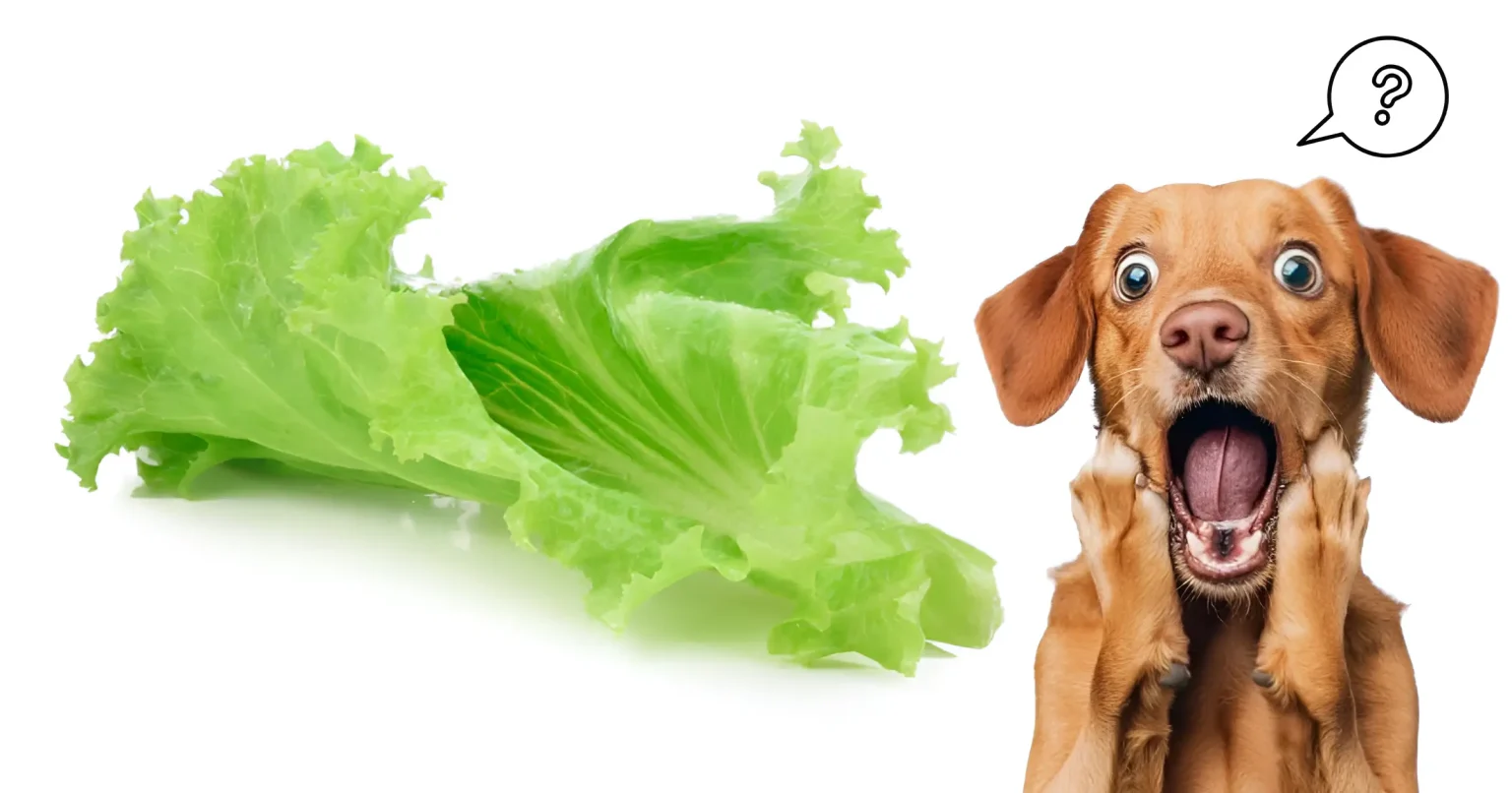
Dogs are more than companions—they are family. Naturally, dog owners want the best for their pets, especially when it comes to food. Many of us enjoy fresh salads, crunchy vegetables, and greens like lettuce, which are known for their light, hydrating, and nutritious qualities. But when those puppy eyes look up at you while you’re eating a salad, you might wonder: is lettuce ok for dogs?
The good news is that lettuce can be safe for dogs in moderation, but there are important details every pet parent should know before serving it. This easy-to-learn guide will cover everything about lettuce for dogs, including the benefits, risks, preparation methods, and expert tips to make sure your furry friend stays healthy.
Understanding Lettuce and Its Nutritional Value
Lettuce is a leafy green vegetable commonly found in salads, sandwiches, and wraps. There are several types of lettuce, with the most popular being iceberg, romaine, green leaf, and butterhead. Each variety has slightly different nutritional values, but in general, lettuce is:
- Very low in calories
- High in water content (up to 95%)
- A source of vitamins A, C, and K
- A source of small amounts of fiber
For humans, lettuce serves as a refreshing, hydrating food that supports digestion and provides micronutrients. But how does this translate for dogs?
Is Lettuce OK for Dogs?
The short and clear answer is: yes, lettuce is generally safe for dogs. It is not toxic, and most dogs can enjoy it as an occasional snack without any problems. However, lettuce should not be seen as a major source of nutrition for dogs. It’s best used as a treat or supplement, not a meal replacement.
Dogs thrive on a diet based primarily on animal protein. Lettuce, being mostly water, doesn’t provide the essential protein and fats dogs need. Still, it can be a healthy addition in small amounts, especially for dogs who enjoy a crunchy snack.
Benefits of Lettuce for Dogs
Even though lettuce is not a superfood for dogs, it has some notable benefits:
1. Low-Calorie Treat
Many commercial dog treats are calorie-dense. Lettuce, on the other hand, is extremely low in calories, making it a guilt-free snack for overweight or sedentary dogs.
2. Hydration Support
Because lettuce is mostly water, it can contribute to hydration, especially on hot days when dogs may need a little extra fluid intake.
3. Fiber Content
Though not as rich in fiber as some other vegetables, lettuce does provide a mild fiber boost that can help regulate digestion and bowel movements.
4. Source of Micronutrients
Vitamins A and K found in lettuce play roles in vision, immunity, and bone health, while small amounts of vitamin C may support overall wellness.
5. Enrichment and Variety
Feeding lettuce can be part of food enrichment. The crunchiness gives dogs something new to chew, stimulating their senses and keeping meals interesting.
Risks of Feeding Lettuce to Dogs
While lettuce is not dangerous, there are some potential downsides:
- Digestive Upset: Eating too much lettuce can cause loose stools or mild stomach upset because of its fiber content.
- Choking Hazard: Large leaves or big chunks may pose a choking risk, especially for small dogs.
- Pesticide Residue: Like many vegetables, store-bought lettuce may have pesticide residues if not washed thoroughly.
- Low Nutritional Value: Lettuce doesn’t provide the protein, healthy fats, and calories dogs need, so it cannot replace a balanced diet.
How to Feed Lettuce to Dogs Safely
If you want to give lettuce to your dog, here are simple guidelines to follow:
- Wash Thoroughly – Always wash lettuce leaves to remove dirt, pesticides, or chemicals.
- Serve Plain – No dressing, butter, oil, salt, or seasoning should be added. Dogs don’t need these extras, and many can be harmful.
- Cut into Small Pieces – Chop the leaves into bite-sized portions to reduce choking risk.
- Introduce Slowly – Give a small amount first to see how your dog reacts. Every dog’s digestive system is different.
- Use in Moderation – Treat lettuce as a snack, not a meal replacement.
Best Types of Lettuce for Dogs
- Romaine Lettuce: A better choice than iceberg because it contains more vitamins and minerals.
- Green Leaf & Butterhead: Mild in taste and safe in small amounts.
- Iceberg Lettuce: Safe but nutritionally weak—it’s mostly water with very few vitamins.
If choosing between them, romaine lettuce is generally considered the best option for dogs.
Can Lettuce Help with Weight Loss in Dogs?
Yes, lettuce can be helpful in weight management programs for dogs. Since it is low in calories and provides bulk, it can make dogs feel fuller without adding unnecessary calories. For overweight dogs, substituting a few high-calorie treats with lettuce can support gradual weight loss.
However, it should never replace essential proteins or fats in their diet. The key to weight management remains portion control, exercise, and balanced nutrition.
What Happens if Dogs Eat Too Much Lettuce?
If a dog eats a large amount of lettuce, the most common result is mild digestive upset. Signs include:
- Loose stools or diarrhea
- Gas or bloating
- Occasional vomiting
These symptoms usually pass quickly, but if they persist or worsen, it’s best to consult a veterinarian.
Lettuce vs. Other Vegetables for Dogs
Lettuce is safe, but it isn’t the most nutritious vegetable for dogs. Vegetables like carrots, cucumbers, zucchini, and pumpkin provide more significant health benefits. Still, lettuce can be a refreshing snack, especially for dogs that enjoy crunchy foods.
Think of lettuce as a “fun snack” rather than a nutritional powerhouse.
Easy-to-Learn Tips for Pet Owners
- Offer lettuce only in small amounts.
- Choose romaine or green leaf over iceberg for more nutrients.
- Wash thoroughly and chop into small pieces.
- Never add dressing or seasonings.
- Monitor your dog’s stool after introducing lettuce to ensure no digestive upset.
Frequently Asked Questions (FAQs)
1. Is lettuce toxic to dogs?
No, lettuce is not toxic. It is safe in moderation.
2. Can puppies eat lettuce?
Puppies can eat small amounts, but their digestive systems are more sensitive. It’s best to wait until they are older before introducing greens regularly.
3. Is iceberg lettuce good for dogs?
Iceberg lettuce is safe but has little nutritional value. Romaine and green leaf are better options.
4. Can lettuce cause diarrhea in dogs?
Yes, if eaten in large quantities, the fiber and water content may cause loose stools.
5. Can lettuce help dogs with constipation?
Mildly, yes. The fiber in lettuce may help, but pumpkin is a much more effective choice for constipation in dogs.
6. Should lettuce be cooked for dogs?
No, lettuce is best served raw and chopped into small pieces. Cooking removes its crunch and offers no added benefit.
7. Can lettuce be used as a training treat?
Yes, small pieces of lettuce can be used for low-calorie training rewards, though most dogs prefer tastier treats.
8. What vegetables are better than lettuce for dogs?
Carrots, cucumbers, green beans, and pumpkin are more nutrient-rich and generally preferred.
Final Thoughts
So, is lettuce ok for dogs easy to learn? Yes—lettuce is safe for dogs when served properly. It isn’t toxic, it can be refreshing, and it provides hydration with very few calories. While lettuce won’t provide the same level of nutrition as other vegetables, it can still be an enjoyable snack for your dog.
The key is moderation, safe preparation, and choosing varieties like romaine or green leaf over iceberg. Always remember that dogs need a diet built around protein, not vegetables, so lettuce should remain an occasional treat.
By understanding the role of lettuce in a dog’s diet, you can confidently decide how and when to include it. And when those puppy eyes beg for a bite of your salad, you’ll know exactly what’s safe and how to share it responsibly.
For More Visits: Animalsinfo