

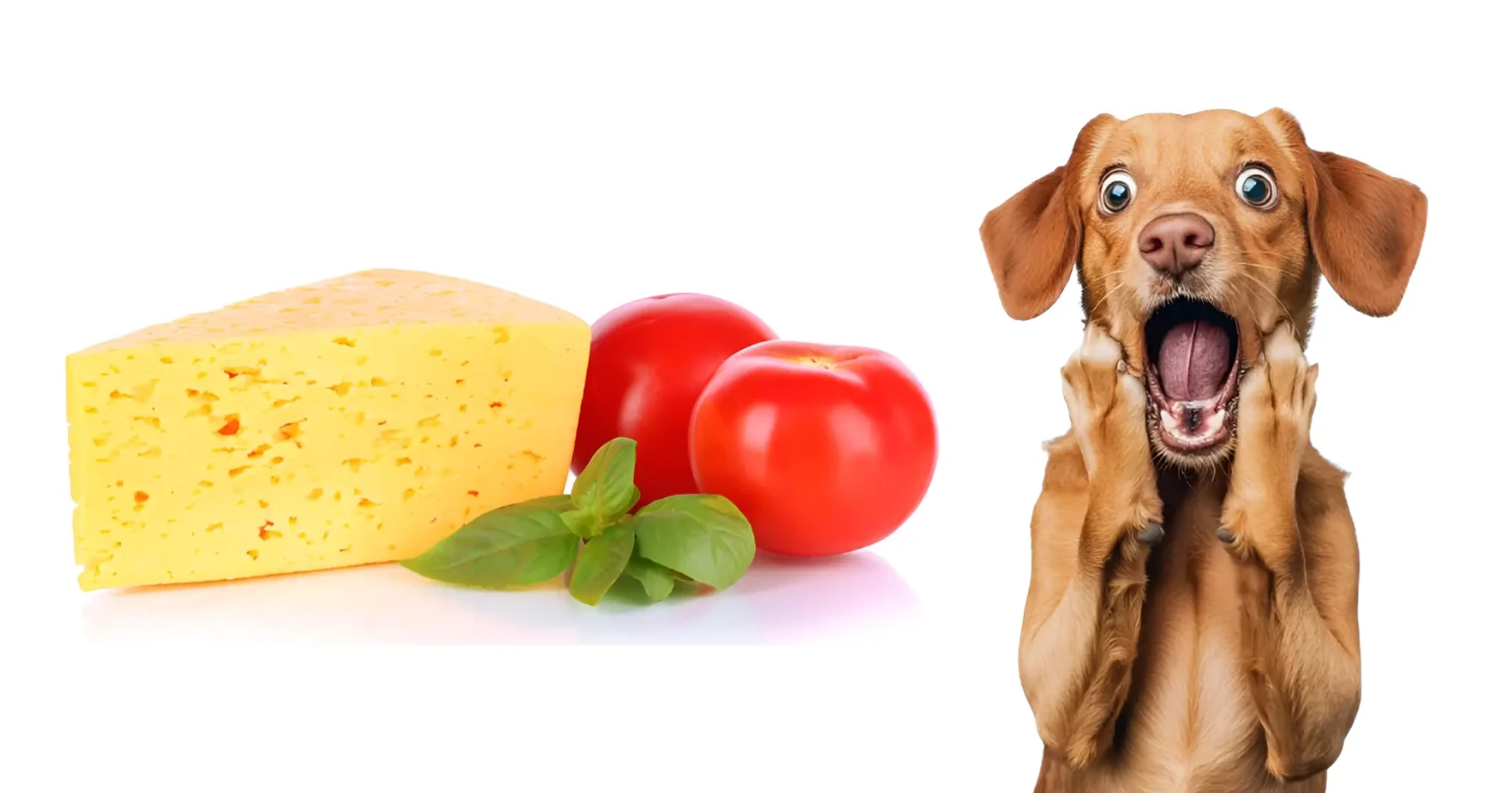
As a responsible dog owner, you may often wonder what human foods are safe for your furry friend. Cheese is a common treat that many people enjoy, and naturally, pet owners may ask: can dogs have pepper jack cheese? Pepper jack is a flavorful cheese made from Monterey Jack, infused with spicy peppers and herbs. While some dogs can enjoy small amounts of cheese safely, pepper jack presents unique considerations due to its spiciness and other ingredients. Understanding the risks and guidelines can help you make safe choices for your dog’s diet.
Understanding Pepper Jack Cheese – Can dogs have pepper jack cheese
Pepper jack cheese is a semi-soft cheese that originated in the United States. It is known for its mild, creamy base from Monterey Jack cheese, combined with the added heat of chili peppers, jalapeños, or other spices. The texture is smooth and slightly elastic, and it is commonly used in sandwiches, quesadillas, or as a snack.
While the cheese is delicious for humans, the addition of peppers and spices raises questions about its suitability for dogs. Dogs’ digestive systems are sensitive to spicy foods, and the high fat and sodium content in cheeses can cause digestive upset if consumed in excess.
Can Dogs Have Cheese in General?
Yes, many dogs can safely eat cheese in moderation. Cheese can be a good source of protein, calcium, and some vitamins. It is often used as a training treat or a way to hide medications. However, not all cheeses are equally safe, and some can be harmful depending on a dog’s health conditions, breed, and size.
Some general guidelines for feeding cheese to dogs include:
- Opt for mild, low-fat cheeses like mozzarella or plain cheddar.
- Offer cheese in small, bite-sized portions to prevent stomach upset.
- Avoid cheeses with added spices, herbs, or flavorings that could irritate the digestive system.
Why Pepper Jack Cheese May Be Risky for Dogs
Pepper jack cheese introduces specific concerns that make it less ideal than plain cheeses.
1. Spicy Ingredients
The chili peppers in pepper jack can irritate a dog’s stomach and digestive tract. Dogs are more sensitive to spicy foods than humans, and even small amounts of pepper can cause:
- Vomiting
- Diarrhea
- Stomach pain
- Excessive drooling
2. High Fat Content
Cheese naturally contains a high level of fat. While fat is essential in a dog’s diet, too much can lead to:
- Obesity over time
- Pancreatitis, which is a painful inflammation of the pancreas
- Digestive issues such as loose stools or diarrhea
3. High Sodium Levels
Pepper jack cheese is also high in salt. Dogs require far less sodium than humans, and excessive intake can lead to:
- Increased thirst and urination
- Blood pressure issues in older dogs
- Risk of sodium toxicity in extreme cases
4. Lactose Content
Although many adult dogs can tolerate small amounts of lactose, some dogs are lactose intolerant. Feeding pepper jack cheese to a lactose-intolerant dog may cause:
- Gas
- Bloating
- Diarrhea
When Pepper Jack Cheese Might Be Acceptable
In certain cases, very small amounts of pepper jack cheese occasionally may be safe, especially for dogs that are:
- Healthy adults without digestive sensitivities
- Used to dairy products
- Supervised when trying new foods
For example, a tiny cube (smaller than your fingernail) may be given as an occasional treat to hide medication or for training purposes. However, it should never be a regular part of the diet, and treats should never exceed 10% of daily caloric intake.
Safer Alternatives to Pepper Jack Cheese
If your goal is to reward your dog with a cheesy treat without the risks, consider these safer alternatives:
- Plain mozzarella: Mild and low in fat, suitable for small portions.
- Cheddar: In moderation, plain cheddar is generally safe.
- Cottage cheese: Low in fat and easier to digest for some dogs.
- Goat cheese: Often easier on lactose-sensitive dogs but still high in fat, so use sparingly.
Avoid any cheeses with added spices, herbs, garlic, or onions, as these can be toxic to dogs.
Tips for Feeding Cheese to Dogs
Even safe cheeses should be offered mindfully. Here are some tips to minimize risks:
- Start Small: Introduce cheese gradually and monitor for any digestive upset.
- Portion Control: Treats should never exceed 10% of your dog’s daily calories.
- Avoid Regular Feeding: Cheese should be an occasional treat, not a dietary staple.
- Check Ingredients: Read labels carefully to avoid spicy or harmful additives.
- Observe Your Dog: Each dog reacts differently; if your dog shows discomfort, stop feeding cheese immediately.
Signs Cheese Is Causing Problems
If your dog consumes pepper jack cheese or any cheese that does not agree with them, watch for these signs:
- Vomiting or nausea
- Diarrhea or loose stools
- Excessive drooling
- Lethargy or discomfort
- Abdominal bloating
If these symptoms persist or worsen, consult a veterinarian immediately.
Cheese in Dog Training
Many pet owners use cheese as a motivational treat during training. Its strong flavor and creamy texture can make it highly appealing. However, when using cheese for training:
- Stick to small, soft pieces
- Opt for low-fat, plain varieties
- Reserve spicy cheeses like pepper jack for emergencies only, if at all
This ensures your dog benefits from the motivation without risking digestive problems.
Health Considerations
Certain dogs should avoid pepper jack cheese entirely:
- Dogs with pancreatitis or a history of high-fat intolerance
- Dogs with obesity or weight management issues
- Lactose-intolerant dogs
- Dogs with kidney or heart disease due to high sodium content
Always consult your veterinarian before introducing new foods, especially human foods with added spices.
Homemade Cheese Treats for Dogs
If you want to offer cheese without the risks, consider making homemade dog-friendly cheese treats. Using plain, low-fat cheeses and avoiding spices can create a tasty and safe alternative. You can even mix cheese with other dog-safe ingredients like pumpkin puree or cooked chicken for variety.
FAQs About Dogs and Pepper Jack Cheese
Q1: Can puppies eat pepper jack cheese?
A: No, puppies have more sensitive digestive systems and should avoid spicy or high-fat cheeses entirely.
Q2: How much cheese is safe for a dog?
A: Small, occasional pieces (smaller than a fingertip) are safe for most healthy adult dogs, but never more than 10% of their daily caloric intake.
Q3: What should I do if my dog eats too much pepper jack cheese?
A: Monitor for vomiting, diarrhea, or abdominal pain. If symptoms are severe, contact a veterinarian immediately.
Q4: Is there any benefit to feeding cheese to dogs?
A: Cheese can provide protein, calcium, and vitamins and can be a great training tool in moderation.
Q5: Can cheese cause allergies in dogs?
A: Some dogs may be allergic to dairy. Signs include itching, rashes, vomiting, or diarrhea.
Q6: Are there any spicy cheeses safe for dogs?
A: Generally, no. Spicy cheeses, including pepper jack, should be avoided due to digestive irritation and discomfort.
Q7: Can I mix cheese with my dog’s regular food?
A: Yes, plain cheeses like mozzarella can be used sparingly to enhance flavor, but avoid spicy varieties like pepper jack.
Conclusion
While cheese can be an enjoyable treat for dogs in moderation, pepper jack cheese is not ideal due to its spiciness, high fat, and sodium content. Occasional, tiny amounts may be tolerated by healthy adult dogs, but safer alternatives like mozzarella, cheddar, or cottage cheese are preferred. Always introduce new foods gradually, observe your dog’s reaction, and consult a veterinarian for specific dietary concerns. By taking these precautions, you can safely treat your dog while avoiding digestive issues and ensuring overall health and happiness.
Remember, your dog’s well-being should always come first, and thoughtful, informed choices about treats can make a big difference in their long-term health.
For More Visits: Animalsinfo