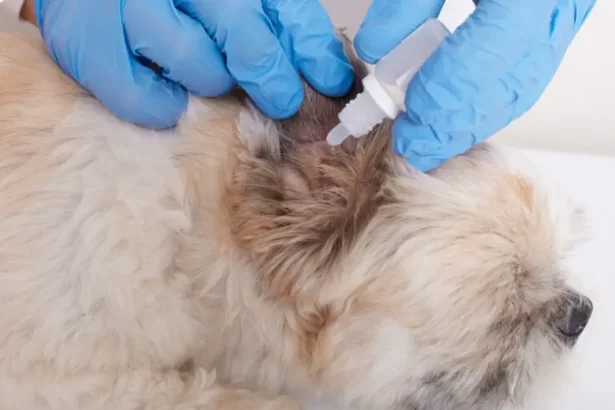



When your dog gets a small cut, scrape, or minor skin injury, it’s natural to reach for something familiar from your first-aid kit. One common product many pet owners ask about is Bactine. This leads to an important question: can you use Bactine on dogs? The answer is not a simple yes or no. It depends on the type of Bactine, how it’s used, and your dog’s specific situation.
This detailed guide explains everything dog owners need to know about using Bactine on dogs, including safety concerns, proper use, risks, and better alternatives. The goal is to help you protect your dog’s health without causing unintended harm.
What Is Bactine?
Bactine is a popular over-the-counter antiseptic product used by humans to clean minor wounds. It is commonly applied to cuts, scrapes, burns, and insect bites to prevent infection. Most Bactine products contain antiseptic ingredients designed to kill bacteria on the skin.
Some versions of Bactine also include lidocaine, a topical anesthetic that helps reduce pain by numbing the area. This is where extra caution becomes necessary for pet owners.
Is Bactine Safe for Dogs?
Bactine is not generally recommended for dogs, especially products that contain lidocaine. While some pet owners have used it on dogs without immediate problems, veterinarians often advise against it because dogs react differently to certain ingredients than humans do.
Dogs are more likely to lick their wounds, which increases the risk of ingesting chemicals meant only for topical use. Ingesting Bactine can lead to stomach upset or more serious reactions depending on the amount and ingredients involved.
The Role of Lidocaine in Bactine
One of the biggest concerns with using Bactine on dogs is lidocaine. Lidocaine can be dangerous for dogs if absorbed through the skin in large amounts or swallowed by licking.
In dogs, lidocaine exposure may cause symptoms such as drooling, vomiting, confusion, weakness, tremors, or irregular heart rhythms. Small dogs and puppies are especially vulnerable because their bodies process medications differently and more slowly.
Because many Bactine products contain lidocaine, they are considered unsafe for routine use on dogs.
What Happens If a Dog Licks Bactine?
Dogs naturally lick injuries as part of their instinctive behavior. If Bactine is applied and then licked, your dog may ingest antiseptic chemicals that can irritate the mouth, stomach, or intestines.
Mild reactions may include drooling or nausea. More serious reactions can involve vomiting, diarrhea, lethargy, or neurological symptoms. Even if no symptoms appear immediately, repeated exposure can increase health risks.
This licking behavior is one of the main reasons human wound-care products are not ideal for pets.
Can You Use Lidocaine-Free Bactine on Dogs?
Some Bactine products are labeled as lidocaine-free, and these are sometimes considered safer than standard versions. However, “safer” does not mean “ideal.” Even lidocaine-free Bactine contains antiseptic ingredients that may still irritate a dog’s skin or stomach if licked.
If used at all, lidocaine-free Bactine should only be applied in very small amounts to minor, superficial wounds, and the dog must be prevented from licking the area. Even then, it is not the preferred option for dog wound care.
When Using Bactine on Dogs Is a Bad Idea
There are certain situations where Bactine should never be used on dogs. Deep wounds, puncture wounds, burns, or injuries that are bleeding heavily should always be evaluated by a veterinarian. Applying antiseptics to serious wounds can trap bacteria inside and delay proper healing.
Bactine should also be avoided on sensitive areas such as the face, eyes, mouth, genitals, or large areas of broken skin. Dogs with allergies, skin conditions, or chronic illnesses may be more sensitive to topical products as well.
Signs of a Bad Reaction to Bactine in Dogs
If Bactine has already been used on your dog, it’s important to monitor them closely. Warning signs of a negative reaction may include redness, swelling, increased irritation at the application site, excessive licking, vomiting, drooling, weakness, or unusual behavior.
If any of these symptoms appear, wash the area gently with clean water to remove any remaining product and contact a veterinarian for guidance.
Why Human Antiseptics Are Risky for Dogs
Dogs are not just small humans. Their skin pH, metabolism, and grooming habits are very different. Products designed for human skin may disrupt a dog’s natural skin barrier or cause irritation.
Additionally, dogs groom themselves using their mouths. This makes topical products far more likely to be ingested, increasing the risk of toxicity or digestive issues.
Safer Alternatives to Bactine for Dogs
There are safer and more appropriate options available for treating minor wounds on dogs. Veterinary-approved antiseptics are designed specifically for canine skin and are safer if accidentally licked in small amounts.
Plain saline solution or clean water can be used to gently flush dirt and debris from a minor wound. Some dog-safe antiseptic solutions are commonly used in veterinary settings and are better tolerated by pets.
For any wound that does not show improvement within a day or two, professional veterinary care is always the safest choice.
How to Properly Care for a Minor Wound on a Dog
If your dog has a small cut or scrape, the first step is to gently clean the area. Remove any visible debris using clean water. Avoid harsh scrubbing, as this can damage tissue and slow healing.
After cleaning, keeping the area dry and preventing excessive licking is important. In some cases, a protective collar may be needed temporarily. Monitoring the wound daily for signs of redness, swelling, or discharge helps catch infections early.
When to See a Veterinarian Instead of Using Home Treatments
Not all wounds can be safely treated at home. If the wound is deep, bleeding heavily, caused by a bite, or shows signs of infection, a veterinarian should be consulted immediately.
Delaying professional treatment by relying on home remedies can lead to complications, prolonged pain, and higher treatment costs later.
The Importance of Dog-Specific First Aid Supplies
Having a dog-specific first aid kit can prevent situations where you feel tempted to use human products like Bactine. These kits typically include dog-safe antiseptics, bandages, and tools designed for pets.
Being prepared allows you to respond quickly and safely when minor injuries happen.
Final Answer: Can You Use Bactine on Dogs?
So, can you use Bactine on dogs? In general, it’s best not to. Especially if the product contains lidocaine, Bactine poses risks that outweigh its benefits for dogs. Even lidocaine-free versions are not ideal and should only be considered in very limited situations with extreme caution.
Using products specifically designed for dogs or seeking veterinary advice is always the safest approach. Your dog’s health, comfort, and safety should come first.
Frequently Asked Questions (FAQs)
Can I use Bactine on my dog if it’s lidocaine-free?
Lidocaine-free Bactine is less risky but still not recommended. Dog-specific antiseptics are a safer choice.
What should I do if my dog licked Bactine?
Rinse the area with clean water and monitor your dog for symptoms such as vomiting or lethargy. Contact a veterinarian if symptoms appear.
Is Bactine toxic to dogs?
Some ingredients, especially lidocaine, can be harmful if ingested or absorbed in large amounts.
Can Bactine be used on dog paws?
Dog paws are frequently licked, making Bactine especially risky in that area.
What is the safest way to clean a dog’s minor wound?
Gently flushing with clean water or a dog-safe antiseptic solution is the safest option.
Choosing the right care for your dog’s injuries shows responsible pet ownership. Avoiding human products like Bactine and using pet-safe alternatives helps ensure your dog heals comfortably and safely.
For More Visits: Animalsinfo
Also Read: Can Dogs Have Chorizo? 7 Safe Warnings 2025