


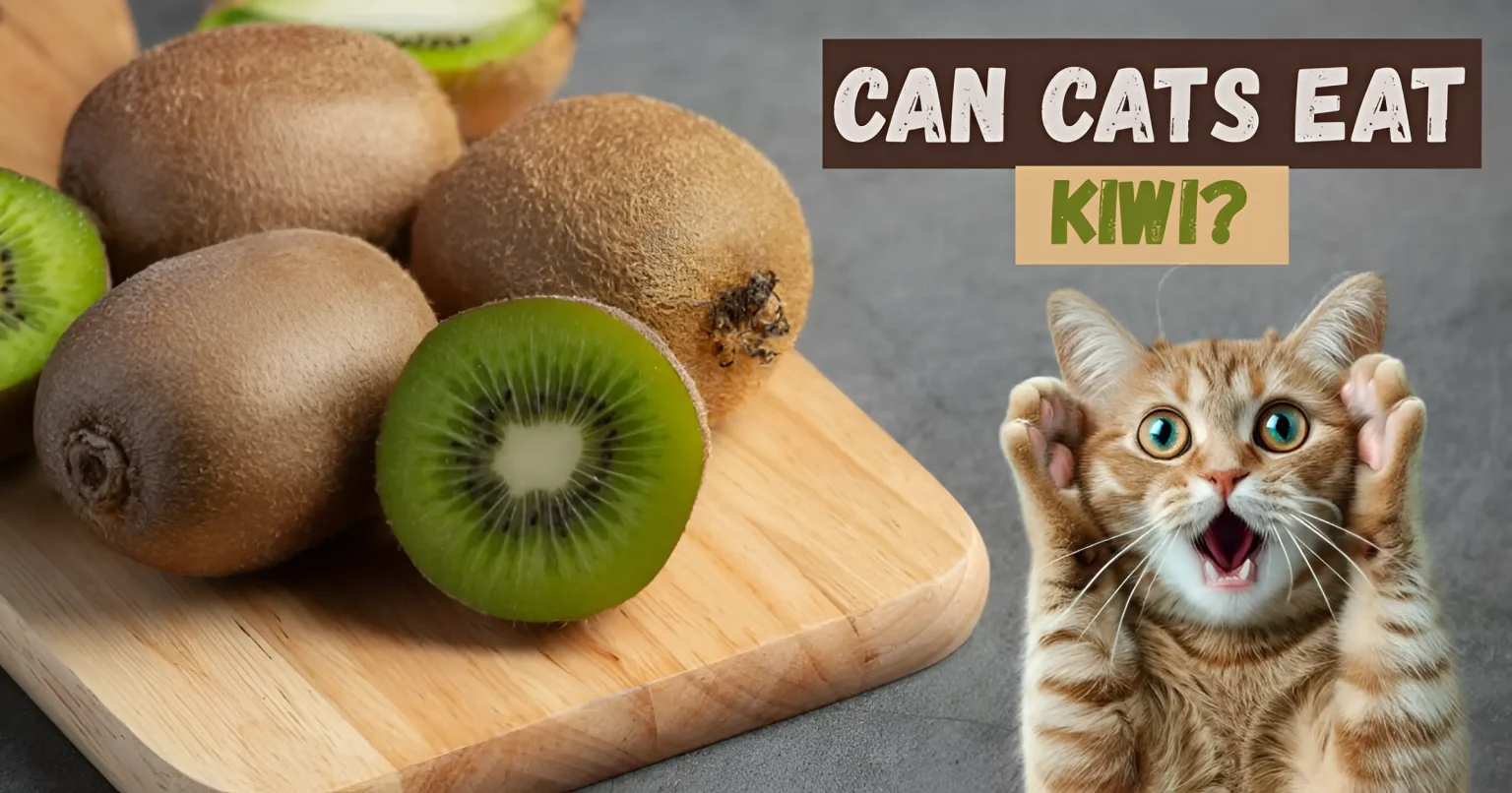
If you have ever been peeling a kiwi and noticed your cat creeping closer with that particular look of curious intensity they get around food, you have probably wondered whether it is safe to let them have a small piece. Kiwi is a fruit that most people think of as harmless — it is packed with vitamins, naturally sweet, and widely considered one of the healthier snack choices for humans. But the question of whether something is good for people has very little bearing on whether it is appropriate for cats, and kiwi is a perfect example of why that distinction matters. Can cats eat kiwi? The full answer involves understanding how a cat’s body processes food differently from ours, what specific components of kiwi present concerns, and why the overall picture is more complicated than a simple thumbs up or thumbs down.
How Cats Relate to Fruit on a Biological Level
To understand where kiwi fits in a cat’s world, you first need to understand something fundamental about how cats are built. Cats are obligate carnivores, which is a classification that goes much deeper than just a dietary preference. It means their entire physiological and metabolic system evolved around consuming animal protein and fat, with virtually no biological need for plant-based foods including fruits.
One of the most striking consequences of this evolutionary path is that cats lack the taste receptor for sweetness. Humans and dogs experience the sweet flavor of fruit as a reward signal that encourages them to eat sugar-containing foods. Cats genuinely cannot taste sweetness at all, which means the appeal of fruit for them, when it exists, is based entirely on texture, smell, or simple curiosity rather than flavor. When your cat shows interest in your kiwi, they are not craving the sweetness — they are investigating something unfamiliar that has caught their attention.
Beyond the taste receptor issue, cats also have a liver that is structurally limited in its ability to process certain plant compounds, particularly aromatic and volatile organic substances. This is why so many plant-based foods and essential oils that are harmless to humans are toxic to cats — their liver simply does not produce the enzymes needed to break those compounds down safely. This biological reality is the backdrop against which any conversation about cats and fruit, including kiwi, has to take place.
Is Kiwi Toxic to Cats
The first and most pressing question most cat owners want answered is whether kiwi is outright toxic to cats the way citrus fruits, grapes, or onions are. The straightforward answer is that kiwi is not considered a classically toxic fruit for cats. It does not contain compounds that are known to cause the kind of acute organ damage associated with grape toxicity, and it does not have the same category of dangerous essential oils found in citrus fruits. In that narrow sense, kiwi is safer than several other fruits a cat might encounter.
However, not being acutely toxic is a very different thing from being safe or appropriate. Kiwi contains several components that are genuinely problematic for cats even if they do not trigger immediate poisoning, and the distinction between toxic and harmful is one that gets blurred in a lot of pet health conversations. Something can cause real damage to a cat’s health over time or in sufficient quantities without meeting the technical definition of toxic.
The Specific Concerns With Kiwi and Cats
Kiwi is a fruit with a relatively complex nutritional profile, and several aspects of that profile create legitimate concerns when it comes to cats.
The sugar content is one of the most significant issues. A single kiwi fruit contains around 6 to 9 grams of natural sugar, which is a considerable amount relative to what a cat’s body is designed to process. Cats have no dietary requirement for carbohydrates or sugars, and their metabolic system is not built to handle them efficiently. When a cat consumes sugar — even natural fruit sugar — it places an unnecessary burden on the pancreas and can contribute to elevated blood glucose levels. Over time, regular consumption of sugary foods is one of the contributing factors to diabetes in cats, a condition that is already alarmingly common in domestic cats and closely linked to dietary choices. A diabetic cat requires lifelong management including dietary restriction, glucose monitoring, and often insulin injections — a significant impact on both the cat’s quality of life and the owner’s daily routine.
The fiber content in kiwi, while beneficial for human digestive health, is another point of concern for cats. Cats have a much shorter digestive tract than humans, optimized for processing animal protein quickly rather than fermenting plant fiber slowly. When a cat consumes fruit like kiwi, the fiber content can disrupt the normal pace and mechanics of their digestion, resulting in diarrhea, loose stools, vomiting, or stomach cramping. These symptoms may be temporary if the exposure was a one-time event, but they signal that the digestive system is not handling the food well.
Kiwi also contains actinidin, a proteolytic enzyme that breaks down proteins. This enzyme is actually the reason kiwi is used as a natural meat tenderizer in some cooking applications. In humans and many animals, actinidin is well-tolerated and processed without issue. In cats, however, there are concerns that this enzyme may irritate the mouth, throat, and gastrointestinal lining, particularly with repeated exposure. Some cats show signs of oral irritation after eating kiwi, including excessive drooling, pawing at the mouth, or reluctance to eat afterward. While this reaction is not universal, it is common enough to be a meaningful consideration.
The skin of the kiwi presents a separate and more straightforward concern. Kiwi skin is tough, fibrous, and difficult to chew properly even for humans. For a cat, swallowing kiwi skin creates a real risk of digestive obstruction, particularly in smaller cats. The rough texture of the skin can also irritate the lining of the esophagus and stomach. Even if you were to decide to offer your cat a small piece of kiwi flesh, the skin should always be completely removed first.
What Happens if a Cat Eats a Small Piece of Kiwi
If your cat managed to eat a small piece of plain kiwi flesh before you noticed, the outcome is likely to be mild and temporary rather than serious. Most healthy adult cats that consume a small, occasional amount of kiwi will experience at most some digestive upset — softer stools, a bout of vomiting, or temporary loss of appetite — before returning to normal within a day or two. The situation is unlikely to require emergency veterinary intervention in these circumstances.
That said, monitoring your cat after any unusual food exposure is always the right approach. Watch for persistent vomiting that continues beyond a few hours, signs of abdominal pain such as hunching, restlessness, or crying, refusal to eat beyond 24 hours, or any neurological symptoms like lethargy, weakness, or disorientation. Any of these warrant a call to your veterinarian rather than continued home monitoring.
If your cat ate kiwi skin or a large quantity of kiwi flesh at once, the threshold for concern is lower and contacting your vet sooner rather than later is the appropriate response. Describe what your cat ate, how much, and when, and follow the veterinarian’s guidance on whether an in-person examination is necessary.
Why Cats Should Not Eat Kiwi Regularly
Even if a single small exposure to kiwi is unlikely to cause acute harm in a healthy cat, making kiwi a regular part of your cat’s diet is a genuinely bad idea for several reasons that accumulate over time. The sugar load from regular fruit consumption is a meaningful diabetes risk factor. The fiber disruption to digestion becomes chronic rather than temporary. The actinidin enzyme irritates tissues repeatedly. And perhaps most importantly, offering fruit as a treat normalizes the idea of feeding cats human food that falls outside their appropriate dietary range, which tends to expand over time into other food choices that may carry more serious risks.
Cats thrive on consistency and a nutritionally complete diet formulated specifically for their needs. Every treat or supplemental food that replaces a portion of that diet slightly undermines its completeness. High-quality cat treats made from animal protein are a far better choice for rewarding your cat or simply giving them something special, because they align with rather than work against the cat’s biological needs.
Safer Fruit Options and the Broader Fruit Question for Cats
For cat owners who are curious about whether any fruits are appropriate for cats to try in very small amounts on rare occasions, a few options are generally considered lower risk than others. Small pieces of plain, seedless watermelon flesh, blueberries, and cantaloupe are among the fruits that most veterinarians consider relatively tolerable for healthy cats in tiny, infrequent amounts. Even these should be thought of as extreme occasional treats rather than dietary additions, and always introduced one at a time to observe how your individual cat responds.
The broader point is that no fruit is necessary for a cat’s health. Unlike some omnivores that benefit from dietary variety including plant foods, cats do not gain any nutritional advantage from fruit that they cannot get from a properly formulated cat food. The vitamins present in kiwi — vitamin C, vitamin K, potassium, folate — are either already present in appropriate amounts in a good cat food or are synthesized by the cat’s own body. There is no gap in feline nutrition that kiwi or any other fruit fills.
Frequently Asked Questions – Can cats eat kiwi?
Can cats eat kiwi skin? No. Kiwi skin is tough, fibrous, and difficult to digest. It can cause gastrointestinal irritation and poses a real risk of obstruction, particularly in smaller cats. Even if you choose to offer your cat a tiny piece of kiwi flesh, always remove the skin completely before doing so.
My cat ate a piece of kiwi and seems fine. Does that mean it is safe? Not exactly. The absence of immediate symptoms does not mean kiwi is safe for regular consumption. Cats can tolerate occasional small exposures to many mildly inappropriate foods without showing obvious signs of harm, but that does not make those foods suitable as treats. The concerns around kiwi — sugar load, digestive disruption, actinidin irritation — are more relevant to repeated exposure than to a single incident.
Can kittens eat kiwi? No. Kittens should not be given kiwi or any other fruit. Their digestive systems are still developing and are considerably more sensitive than those of adult cats. Kittens have very specific nutritional needs during their growth phase that should be met exclusively through high-quality kitten food, and introducing unnecessary foods during this period can interfere with proper development.
Does kiwi have any nutritional benefit for cats? Not in any meaningful way. The vitamins and minerals present in kiwi are either already adequately provided by a complete cat food or are produced naturally by the cat’s own body. Cats do not need vitamin C supplementation the way humans do because they synthesize it internally. There is no nutritional justification for including kiwi in a cat’s diet.
Can cats be allergic to kiwi? Yes, food sensitivities and allergies are possible in cats as with any food they are not accustomed to. Signs of an allergic reaction to kiwi may include vomiting, diarrhea, excessive scratching, skin irritation, swelling around the face or mouth, or unusual lethargy after eating it. If any of these symptoms appear, stop offering kiwi immediately and consult your veterinarian.
What should I do if my cat ate a large amount of kiwi? Contact your veterinarian promptly and describe what your cat ate, including whether the skin was involved and approximately how much was consumed. While kiwi is not acutely toxic, a large quantity can cause significant digestive upset and the actinidin enzyme may cause enough irritation to warrant professional guidance. Do not wait to see if serious symptoms develop before reaching out.
The honest conclusion about cats and kiwi is this: it is not a fruit that belongs in your cat’s life in any regular or intentional way. It is not in the same danger category as lemons or grapes, but it is not a harmless treat either. The sugar content, digestive disruption, enzyme irritation, and the fundamental mismatch between fruit and feline biology all point in the same direction. Your cat does not need kiwi, cannot truly taste its sweetness, and is better served by treats that work with their biology rather than against it. The next time those curious eyes follow your kiwi across the kitchen, the kindest response is a distraction with something that was actually made for them.
For More Visits: Animalsinfo
Also Read: Can Dogs Eat Bird Seed? 5 Safe Facts 2026