

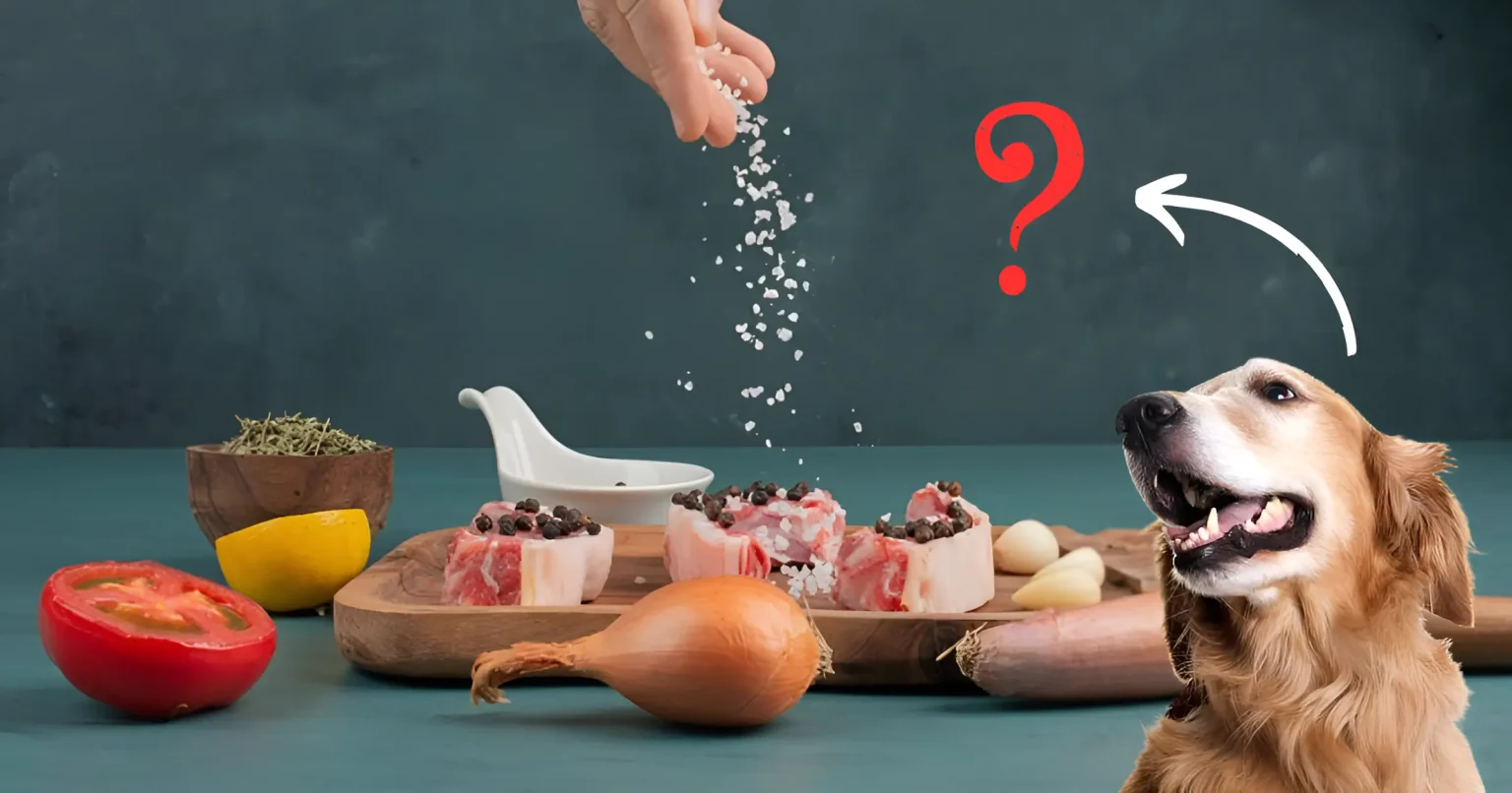
Do dogs need salt in homemade food? Preparing homemade meals for dogs has become increasingly popular among owners who want more control over what goes into their pet’s bowl. When you cook food at home, you know exactly what ingredients are being used, and you can tailor meals to match your dog’s nutritional needs. However, one of the most common questions that arises during homemade dog food preparation is whether dogs actually need salt. Humans add salt to enhance flavor and balance electrolytes, but the needs of dogs are not identical to ours. Understanding how salt affects a dog’s body is essential before including it in any home-prepared meal.
Salt, also known as sodium chloride, is crucial for life. Both humans and animals need it in the right amount to maintain normal nerve function, hydration, and muscle activity. The problem begins when salt intake goes beyond what a dog’s body is designed to handle. Too much can lead to serious health issues, while too little can create its own set of complications. Striking the perfect balance is the key, especially when meals are prepared at home rather than supplied through commercial dog food that already contains exact nutrient measurements.
In this detailed guide, you will learn whether dogs need salt in their homemade food, how much is considered safe, what risks come with too much or too little, and how to prepare balanced meals without harming your dog’s health.
Do Dogs Actually Need Salt?
Dogs do need salt, but only in very small and controlled amounts. Salt plays a major role in keeping cells hydrated, supporting nerve signals, and maintaining a proper balance of fluids inside the body. Without enough sodium, a dog’s body cannot function normally. However, this need is extremely low compared to the average salt intake in human diets.
Commercial dog food includes salt as part of its nutrient profile. Manufacturers calculate salt content carefully to meet the specific sodium requirements dogs need daily. But when you prepare food at home, the responsibility falls entirely on you. Since homemade meals often lack added salt, many owners question whether supplementation is necessary.
In most cases, dogs get enough sodium naturally from ingredients like meat, vegetables, and broth. Adding extra table salt is rarely required, and usually not recommended unless advised by a veterinarian for medical reasons. Dogs are very sensitive to high sodium levels, and their kidneys are not built to handle the kind of salty foods humans regularly consume.
How Much Salt Do Dogs Need?
A dog’s sodium requirement is extremely low. Even medium-sized dogs need only a tiny amount each day. Their bodies are efficient at maintaining electrolyte balance, and they obtain natural sodium from common ingredients used in homemade recipes. Chicken, beef, fish, eggs, and even certain vegetables already contain sodium in levels that meet these needs.
Because the required amount is so small, the risk of accidental oversupply is high when salt is added without careful measurement. The difference between “enough” and “too much” is very narrow. For this reason, experts generally advise against intentionally adding salt to homemade dog food unless your dog has a medical condition that requires it.
Is Salt Necessary in Homemade Dog Food?
The majority of homemade meals do not need added salt for dogs to stay healthy. If your recipes include a good mix of meat, organs, vegetables, and occasional broth, your dog is likely already receiving adequate sodium naturally. Unlike humans, dogs do not crave salty flavors, nor do they need salt for taste enhancement.
Adding salt often does not improve their diet—it only increases the risk of sodium overload. In fact, many dogs prefer plain food without seasoning. The simplicity of their palate means they don’t require the flavor adjustments humans rely on.
What matters most is that homemade meals are balanced overall. This includes protein, healthy fats, vitamins, minerals, calcium sources, and hydration. Sodium is just one of many nutrients, and it often takes care of itself through whole food ingredients.
Why Too Much Salt Is Dangerous for Dogs
One of the biggest concerns in homemade dog food is accidentally giving a dog too much sodium. A dog’s tolerance for salt is very low, and their system reacts negatively even to moderate increases in sodium.
1. Sodium Can Lead to Dehydration
Salt affects how water moves in and out of cells. When levels rise, the body tries to correct the imbalance by pulling water toward the sodium. This increases thirst and causes dehydration if the dog cannot drink enough water to compensate.
2. Salt Toxicity Is a Serious Risk
Salt poisoning is a real medical emergency. Symptoms can appear quickly after consuming salty foods. Even foods like salted meats, chips, processed broths, and restaurant leftovers can overload a dog’s system.
Toxicity symptoms may include excessive thirst, vomiting, diarrhea, tremors, confusion, and seizures.
3. Certain Dogs Are More Sensitive
Dogs with heart disease, kidney issues, or high blood pressure cannot handle high salt levels. Their kidneys struggle to regulate sodium, making them much more vulnerable to complications.
4. Processed Ingredients Already Contain Salt
Many homemade recipes use canned foods, packaged broths, or cured meats without realizing that these items contain significant sodium. Even without purposely adding salt, the total content can still be too high.
Because of these risks, controlling sodium intake becomes essential in home-cooked diets.
What Happens If Dogs Don’t Get Enough Salt?
Although rare, sodium deficiency can occur in homemade diets if meals are extremely low in minerals. A dog that receives no natural sodium at all may face health issues just as serious as those caused by too much salt.
Symptoms of low sodium (hyponatremia) may include weakness, loss of appetite, low energy, confusion, and pale gums. However, this situation is uncommon because most whole food ingredients naturally contain some sodium.
The key is balance. Dogs don’t need extra salt, but they do need the natural sodium present in food.
Does Homemade Food Automatically Mean Low Sodium?
Not always. The sodium content of homemade meals depends entirely on the ingredients used. Fresh meats contain sodium naturally, and ingredients like cheese, canned goods, sauces, and broth can dramatically increase total salt levels.
Some owners unintentionally overload meals by using flavored broths, canned soups, or salted butter. Even one teaspoon of salt is more than enough to push a homemade recipe far above a dog’s safe daily intake.
For this reason, it is important to review all ingredients carefully. If you use simple, fresh, unprocessed ingredients, sodium levels usually fall naturally in a safe range.
Should You Add Salt to Homemade Food?
The short answer is no, not unless a veterinarian specifically instructs you to do so. Most dogs do not need extra salt in their food, and adding it can cause more harm than good. A healthy dog receiving a balanced homemade diet will already get all the sodium needed to support hydration and bodily functions.
Adding salt should not be used as a flavor booster. Dogs don’t require seasoned meals. Their taste buds are not wired to crave salt the way humans do, and they often reject overly seasoned food altogether.
If a vet ever recommends a specific sodium amount, it must be administered carefully and measured with precision—not just sprinkled in casually.
Healthy Sodium Sources in Homemade Dog Food
There are many natural ingredients that provide safe sodium levels without the dangers of table salt. These include:
- Fresh chicken
- Beef
- Fish (non-salted)
- Eggs
- Carrots
- Spinach
- Brown rice
- Sweet potatoes
These foods naturally contain the minerals dogs need without overwhelming their systems.
Special Situations Where Extra Sodium May Be Needed
Although rare, some dogs may require specific sodium levels due to medical conditions. Dogs that suffer from adrenal disorders or chronic gastrointestinal problems may need careful sodium management. These situations must always be handled under the guidance of a veterinarian or canine nutritionist. Attempting to treat deficiencies at home without medical direction can easily lead to dangerous overdosing.
How to Ensure Balanced Homemade Meals Without Extra Salt
Balancing homemade dog food is more about ensuring a proper ratio of nutrients than relying on seasoning. A well-rounded recipe includes protein, vegetables, healthy fats, calcium, and hydration.
To avoid sodium imbalance:
- Use fresh ingredients instead of processed ones
- Avoid canned items that come packed in salted liquids
- Skip sauces, flavored broths, cheese, and salted butter
- Cook meats in plain water rather than seasoning
- Add variety to the diet to naturally supply minerals
By keeping meals simple and wholesome, sodium levels remain safe and controlled.
Signs of Too Much Salt in a Dog’s Diet
Monitoring your dog for any unusual signs can help you identify if their diet contains too much sodium. Symptoms may develop gradually or suddenly depending on intake.
Common signs include:
- Excessive water intake
- Rapid breathing or panting
- Vomiting
- Diarrhea
- Swollen tongue
- Unusual tiredness
- Stiff muscles or tremors
If you notice such signs, review your dog’s diet immediately and eliminate all sources of added salt.
Conclusion
Dogs do need salt, but only in extremely small amounts. Their natural diet provides enough sodium without the need for added table salt. When preparing homemade meals, it’s important to focus on fresh, whole ingredients and avoid heavily processed foods that contain hidden sodium.
Adding salt is rarely necessary and can easily push a dog’s intake beyond safe limits. Too much sodium leads to dehydration, digestive issues, and potential toxicity, while too little—although uncommon—can cause weakness and imbalance. The safest approach is to prepare simple, balanced meals and rely on natural sodium already present in the ingredients. When in doubt, consulting a veterinarian or pet nutrition expert ensures your dog receives exactly what they need without risking their health.
FAQs
1. Do dogs need salt in homemade food?
Dogs need very small amounts of sodium, which they usually get naturally from whole ingredients. Extra table salt is not recommended.
2. Is it safe to add salt to my dog’s cooked meals?
No, adding salt increases the risk of sodium overload and should be avoided unless a veterinarian instructs otherwise.
3. Can low sodium harm dogs?
Severe sodium deficiency is rare but can happen in unbalanced diets. Symptoms include weakness, low energy, and dehydration.
4. Do homemade dog food recipes naturally contain enough salt?
Yes, most meats and vegetables already contain safe levels of natural sodium.
5. What ingredients should I avoid due to high salt?
Avoid salted meats, cheese, canned broth, processed soup, and foods cooked in salty seasonings.
6. How do I know if my dog ate too much salt?
Watch for vomiting, excessive thirst, tremors, or lethargy. Contact a vet immediately if these symptoms appear.
For More Visits: AnimalsInfo