

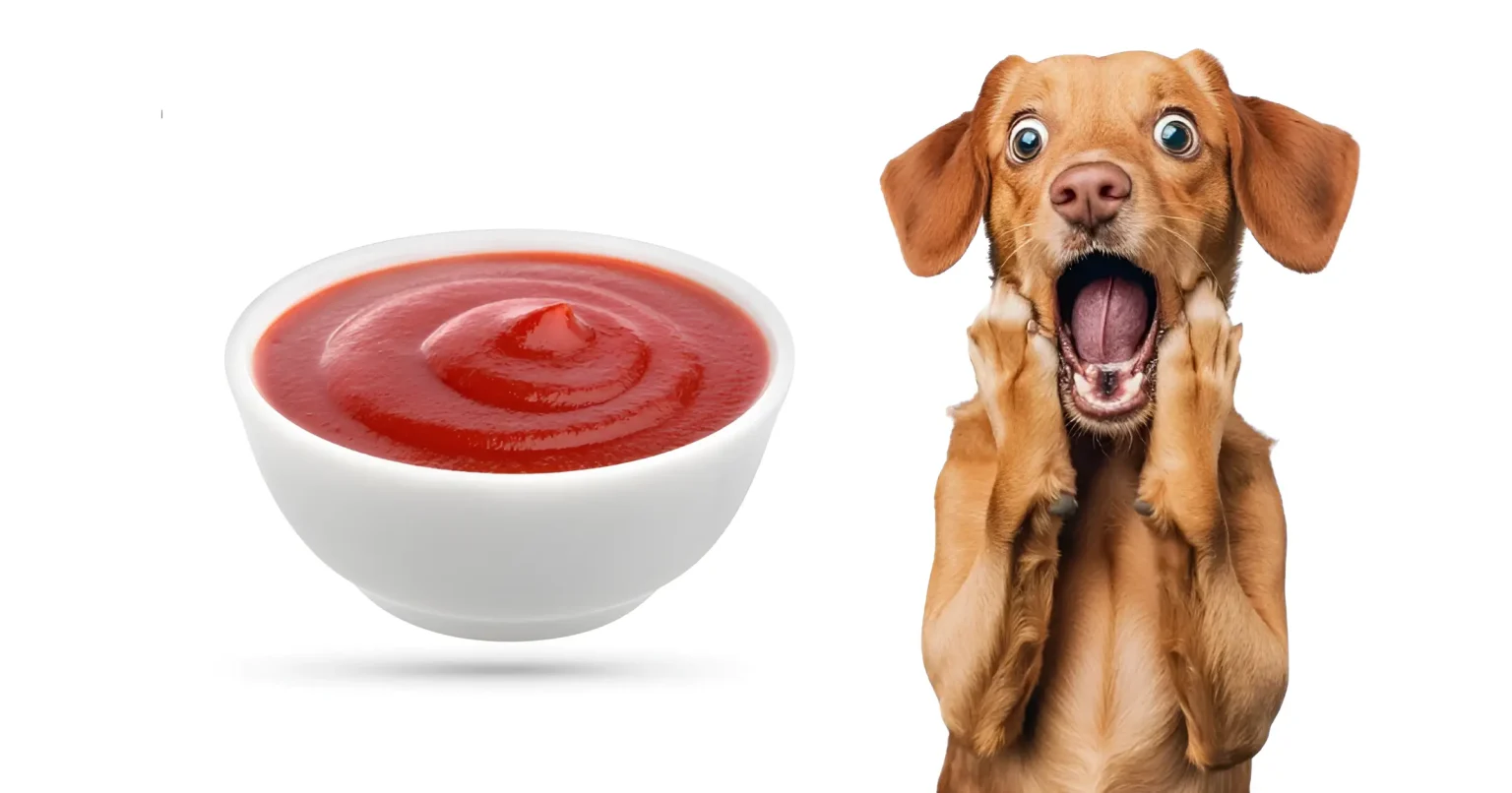
When you’re enjoying fries, a burger, or any snack covered in ketchup, it’s common for your cat to wander over and try to take a lick. Cats are naturally curious about anything their humans eat, and ketchup—being bright, sweet-smelling, and tangy—can easily catch their attention. But can cats eat ketchup safely, or is it something you should avoid sharing altogether?
The short answer: No, cats should not eat ketchup.
Even a tiny amount contains ingredients that are not safe, especially if consumed repeatedly.
This detailed guide explores why ketchup isn’t healthy for cats, what ingredients make it risky, and what to do if your cat already ate some.
Is Ketchup Safe for Cats?
Ketchup is not toxic in the way chocolate or onions are, but it contains ingredients that can be harmful even in small quantities. So while a micro lick from your cat is unlikely to cause immediate danger, ketchup is not considered safe and should never be given intentionally.
Two major concerns make ketchup unsuitable:
- It contains onion and garlic powder – both dangerous to cats.
- It is high in sugar and salt, which cats are not equipped to handle.
Understanding why these ingredients matter helps you make safer choices for your pet.
Why Cats Should Avoid Ketchup
Ketchup seems harmless because it’s such a common condiment for humans. But cats have completely different nutritional needs and digestive limitations. Let’s break down the main ingredients and explain why they’re problematic.
Onions and Garlic: The Biggest Threat
Most ketchup contains onion powder and sometimes garlic powder, even if used in tiny amounts. Both are toxic to cats.
These ingredients can cause:
- Red blood cell damage
- Weakness
- Pale gums
- Increased heart rate
- Loss of appetite
- Vomiting and diarrhea
Cats are more sensitive to onions and garlic than dogs or humans, so even a small amount over time can cause significant health issues.
High Sodium Content
Salt is another ingredient that makes ketchup unsafe. Cats naturally need only a very small amount of sodium. Ketchup, especially store-bought versions, contains far more salt than a cat’s system is designed to handle.
High sodium intake in cats may lead to:
- Excessive thirst
- Dehydration
- Vomiting
- Confusion
- Potential sodium poisoning (in severe cases)
Even if symptoms don’t show up right away, repeated salt consumption is harmful for the kidneys.
Too Much Sugar
Ketchup is surprisingly sweet. It contains added sugar to balance the acidity of tomatoes. Cats cannot taste sweetness because their taste receptors don’t detect it.
While sugar is not toxic, it is:
- Unnecessary
- Hard for cats to process
- A trigger for weight gain
- A potential contributor to diabetes
Cats thrive on protein, not sugary carbohydrates.
Acidity From Tomatoes
Tomatoes on their own are mildly irritating to cats, especially when unripe. Ketchup uses ripe tomatoes, but the acidity is still high.
This acidity can cause:
- Stomach upset
- Acid reflux
- Minor irritation in the digestive tract
While not the biggest concern, it adds to why ketchup isn’t advisable.
Preservatives and Additives
Ketchup often contains:
- Citric acid
- Spices
- Natural and artificial flavors
- Stabilizers
These additives are designed for humans—not animals—and can cause digestive reactions in cats with sensitive stomachs.
What Happens If a Cat Eats a Little Ketchup?
If your cat licks a fingertip that has ketchup on it or takes a tiny taste from a plate, don’t panic. A very small amount typically won’t cause immediate harm.
However, monitor for symptoms such as:
- Drooling
- Vomiting
- Diarrhea
- Lethargy
- Reduced appetite
If multiple symptoms appear or if your cat ate a larger amount, it’s best to contact a vet.
Can Cats Eat Ketchup Chips or Flavored Snacks?
Absolutely not.
Ketchup-flavored chips and snacks are more dangerous than actual ketchup.
They contain:
- Extra salt
- Extra spices
- Artificial flavors
- Oils from frying
- Onion and garlic seasoning
This combination increases the risks significantly.
Can Cats Eat Tomato Sauce Instead of Ketchup?
Plain homemade tomato sauce without spices might be less harmful, but it’s still not recommended.
Most commercial sauces contain:
- Onion
- Garlic
- Salt
- Sugar
Even small amounts of these ingredients can harm your cat.
Can Cats Eat Tomatoes?
Ripe tomatoes in tiny amounts are generally safe, but green tomatoes and the leaves/stem of the tomato plant are toxic to cats.
Since ketchup is processed from ripe tomatoes but mixed with harmful ingredients, tomatoes aren’t the main danger—onions, garlic, salt, and additives are.
Why Cats Try to Eat Ketchup
Cats don’t want ketchup because it’s sweet—they can’t taste sweetness.
Instead, they may be drawn to:
- The smell of the food you’re eating
- The tanginess
- The texture
- Curiosity
- Habit of seeking human food
But “interest” doesn’t equal “safety.” Cats often try to eat things that aren’t good for them.
Health Risks of Feeding Cats Ketchup Regularly
If a cat eats ketchup often, even in small portions, the risks begin to stack up.
1. Anemia
Due to onion and garlic exposure.
2. Kidney Strain
Because of high sodium levels.
3. Digestive Problems
Vomiting, diarrhea, and bloating.
4. Weight Gain
Excess sugar and empty calories.
5. Long-Term Illness
Increased risk of diabetes or chronic inflammation.
These are serious health implications, which is why cat owners must avoid giving ketchup altogether.
What to Do If Your Cat Ate Ketchup Accidentally
Step 1: Stay Calm
A small lick is rarely harmful.
Step 2: Check the Ingredients
Look for onion or garlic powder—most brands include at least one.
Step 3: Monitor Your Cat
Watch for symptoms for 24 hours. Note changes in:
- Energy
- Appetite
- Stool
- Vomiting
Step 4: Offer Water
It helps dilute the sodium.
Step 5: Contact a Vet If Symptoms Appear
Especially if the cat ate a large amount or shows lethargy or vomiting.
Healthier Alternatives to Ketchup for Cats
If your cat likes tasting “sauces,” you can offer safer, cat-friendly options.
1. Bone Broth (Unsalted)
Provides hydration and nutrients.
2. Tuna Juice (In Water Only)
A small spoonful adds flavor without harmful additives.
3. Chicken Broth (Homemade, No Salt)
Cats love the smell and taste.
4. Pureed Meat Baby Food
As long as it contains no onion or garlic.
These alternatives are not daily foods but occasional treats.
Frequently Asked Questions
1. Can cats eat ketchup packets from restaurants?
No. They contain more preservatives and salt than bottled ketchup. Cats should not chew or lick packets either.
2. Is a tiny lick of ketchup dangerous?
A micro taste is usually harmless, but it should not become a habit.
3. What if my cat loves ketchup?
Cats often like the smell, not the safety. Don’t feed it intentionally; offer safer alternatives.
4. Can cats eat fries with ketchup?
No. Fries contain salt, oil, and sometimes spices. Combined with ketchup, the risks multiply.
5. Is organic ketchup safe for cats?
Even organic versions contain onion, garlic, or spices—still unsafe.
6. Can cats eat ketchup without spices?
Most ketchup has at least some form of seasoning, so still avoid it.
Final Verdict: Can Cats Eat Ketchup?
No, cats should not eat ketchup.
Even though a tiny accidental lick isn’t usually dangerous, ketchup contains multiple ingredients that aren’t suitable for cats, including onion powder, garlic powder, excess salt, sugar, and preservatives.
The safest approach is simple:
- Avoid feeding ketchup intentionally
- Keep ketchup packets or plates out of reach
- Choose safer, cat-friendly alternatives if your cat likes sauces
Your cat’s health depends on a diet built on protein, not processed human condiments.
For More Visits: Animalsinfo
Also Read: Can Cats Eat Tortillas? 5 Healthy Facts 2025 Guide