

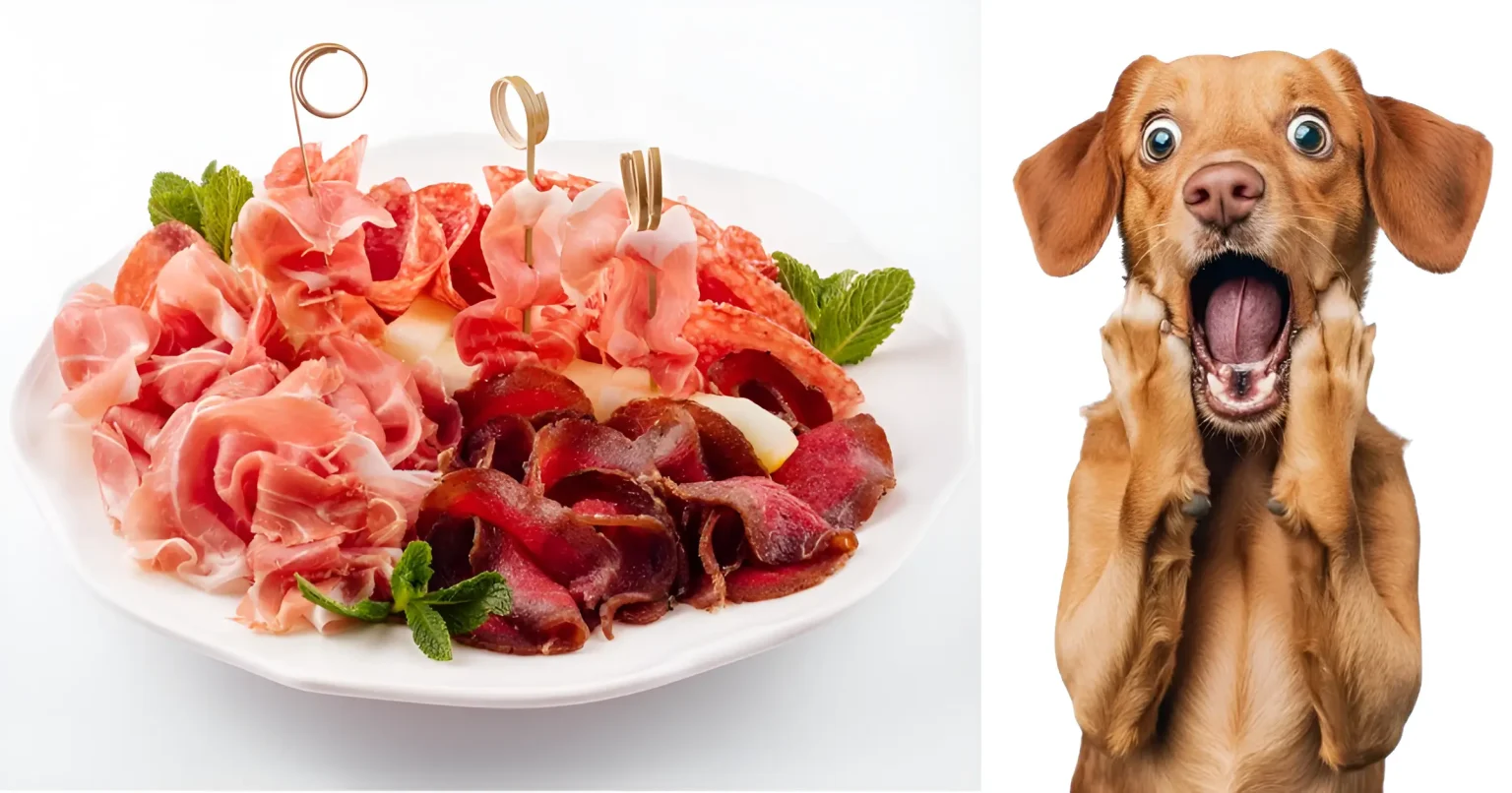
Prosciutto is one of those foods that instantly gets a cat’s attention. The strong aroma, the salty richness, and the thin slices make it irresistible to curious cats who always seem to want whatever their humans are eating. But can cats eat prosciutto, or is it something you should avoid sharing? Many cat owners assume that because prosciutto is just meat, it must be harmless. Unfortunately, prosciutto comes with risks that are important to understand before letting your cat taste even a small amount.
In this detailed guide, we’ll break down everything you need to know about cats and prosciutto—whether it’s safe, why it can be harmful, and what happens if your cat sneaks some. The goal is to help you make the safest choices for your pet while still understanding exactly what foods can affect their long-term health.
Is Prosciutto Safe for Cats?
The straightforward answer: no, cats should not eat prosciutto.
While prosciutto is pork, which is technically safe for cats in plain, cooked form, prosciutto is very different. It’s a cured meat that goes through a long preservation process involving salt, spices, and aging. These steps make prosciutto flavorful for humans but unsafe for cats.
Even though a tiny accidental bite may not cause immediate harm, prosciutto is not a cat-friendly food and should never be offered intentionally.
Why Prosciutto Is Not Good for Cats
Understanding the ingredients and curing process makes it clear why cats should not eat prosciutto. It isn’t simply meat—it’s meat packed with things cats shouldn’t consume.
Excessive Salt Levels
Salt is the biggest issue. Prosciutto contains extremely high sodium because salt is used to cure and preserve the meat. Cats have a very low salt tolerance, and just a small amount of prosciutto can cause problems.
High sodium can lead to:
- extreme thirst
- dehydration
- vomiting
- diarrhea
- kidney strain
- elevated blood pressure
Cats have delicate kidneys, and salty foods can be harmful even in tiny portions, especially for older cats.
Fat Content Is Too High
Prosciutto contains high levels of fat. Cats need protein, but they do not need fatty, oily meats. Excess fat can cause stomach upset or, over time, contribute to weight gain.
Even a small fatty treat can trigger digestive issues like:
- vomiting
- greasy stool
- stomach discomfort
- increased risk of pancreatitis
Pancreatitis is a painful condition and can be triggered even by occasional fatty foods.
Spices and Seasonings
Prosciutto often contains spices or is aged in herbs depending on the type. Some versions include pepper, garlic, or other seasonings, all of which are unsafe for cats.
Even microscopic amounts of garlic or onion seasoning can damage a cat’s red blood cells. Cats are far more sensitive to these ingredients than humans or dogs.
Cured Meats Are Not Raw or Fresh
Prosciutto is not raw and not cooked either. It is cured, meaning it is preserved through salt and air drying. Cured meats can contain bacteria that humans tolerate but cats may not.
This increases risks like:
- stomach upset
- digestive imbalance
- exposure to harmful bacteria in sensitive cats
Processed Meat Is Never Ideal for Cats
Cats are obligate carnivores, but that means fresh animal protein, not processed human meats. Human-style processing always adds something—salt, preservatives, sugar, nitrates, or seasonings—that cats cannot safely handle.
What Happens if a Cat Eats Prosciutto Accidentally?
If your cat grabs a tiny piece, there is usually no need to panic. A one-time small bite doesn’t typically lead to serious consequences. But you should observe your cat over the next few hours.
Possible symptoms include:
- increased thirst
- mild vomiting
- loose stool
- stomach noises
- agitation or restlessness
Most healthy adult cats recover without long-term issues after a tiny amount. But cats with kidney disease, heart issues, or sensitive stomachs can react more severely.
If your cat eats a larger amount—multiple slices or a whole piece—you should monitor closely for:
- extreme drooling
- heavy panting
- shaking
- pale gums
- lethargy
- refusal to eat
If any of these symptoms appear, contact a vet immediately.
Is Prosciutto Ever Safe as an Occasional Treat?
No—prosciutto is not good for cats even as a rare treat. Some foods can be tolerated occasionally, but prosciutto contains too much salt and fat to be considered safe at any frequency.
Even a single slice may contain more sodium than a cat should eat in an entire day. It also has no nutritional value for cats.
There are far better treat options that don’t harm your cat’s digestive system or kidneys.
Why Cats Like Prosciutto So Much
Even though prosciutto is not safe, many cats are crazy about the smell and taste. This is because:
- The strong meat aroma is appealing.
- Cats are naturally attracted to protein smells.
- The thin, fatty texture resembles prey fat.
- Salty food smells stronger, attracting cats even more.
But a cat “liking” something doesn’t mean it’s healthy or appropriate.
Cats often want:
- chips
- cheese
- bread
- crackers
- sauces
Yet none of these things benefit their bodies.
Safer Alternatives to Prosciutto for Cats
If your cat seems desperate for a bite of your prosciutto, offer healthier and safer options instead. These mimic the smell and texture of cured meat but without harmful ingredients.
Cooked Plain Chicken
No salt, no oil, no seasoning. Cats love it and digest it easily.
Cooked Turkey Breast
Soft, lean, and high in protein.
Freeze-Dried Meat Treats
These are made specifically for pets and contain only meat.
Boiled Fish (Occasionally)
Plain white fish with no bones is a safe treat.
Cat-Safe Meat Snacks
Many brands make single-ingredient treats made from chicken, turkey, or rabbit.
These options let your cat enjoy a meaty treat without the dangers of prosciutto.
Why Processed Meats Should Be Avoided for All Cats
Prosciutto isn’t the only processed meat that cats shouldn’t eat. The same rules apply to:
- ham
- salami
- pepperoni
- bacon
- sausages
- deli meats
All contain salt, preservatives, or spices that can harm a cat’s digestive and kidney health. Sticking to fresh protein keeps your cat healthier long term.
Can Kittens Eat Prosciutto?
Kittens should never be given prosciutto. Their digestive systems are far more sensitive. Even the smallest piece can cause:
- diarrhea
- dehydration
- vomiting
- electrolyte imbalance
Kittens are also more vulnerable to sodium poisoning.
What If Your Cat Ate Prosciutto Regularly Before You Knew?
Some owners discover the issue after giving their cat a few bites over several months. If that’s the case, watch for signs of long-term salt exposure:
- increased water consumption
- frequent urination
- weight gain
- reduced appetite
- tiredness
- dental irritation from high salt
- signs of kidney strain
If you notice patterns, the best thing is to stop offering prosciutto immediately and switch to safer treats.
Frequently Asked Questions About Cats and Prosciutto
1. Can cats eat cooked pork instead?
Yes—plain, cooked pork with no seasoning is safe. It must be fully cooked, unseasoned, and trimmed of fat.
2. Is a single piece of prosciutto dangerous?
A tiny bit usually isn’t dangerous but should not be repeated. The salt content is the main concern.
3. Can cats eat ham instead of prosciutto?
Ham is also too salty and processed. It’s not safe for cats.
4. Are all cured meats unsafe for cats?
Yes. All cured meats contain salt and spices unsuitable for cats.
5. Why does my cat beg for prosciutto?
The smell of meat and fat is appealing, but the food itself is unhealthy.
6. Can prosciutto cause kidney problems?
Excessive salt intake can strain the kidneys, especially in older cats.
7. Can cats eat bacon if it’s cooked?
Bacon is high in salt and fat, so it is also unsafe.
Final Verdict: Can Cats Eat Prosciutto?
Cats should not eat prosciutto.
Even though it’s a type of meat, the curing process fills it with salt, fat, spices, and preservatives that cats cannot safely digest. A tiny accidental taste may not cause serious harm, but prosciutto should never be offered as a treat or part of a cat’s diet.
Choosing fresh and plain meats instead of processed ones ensures your cat gets protein without harmful additives. Keeping salty, cured meats away from your cat helps protect their kidneys, digestive system, and long-term health.
For More Visits: Animalsinfo
Also Read: Can Cats Eat Ketchup? 5 Safe Tips 2025 Helpful Guide