


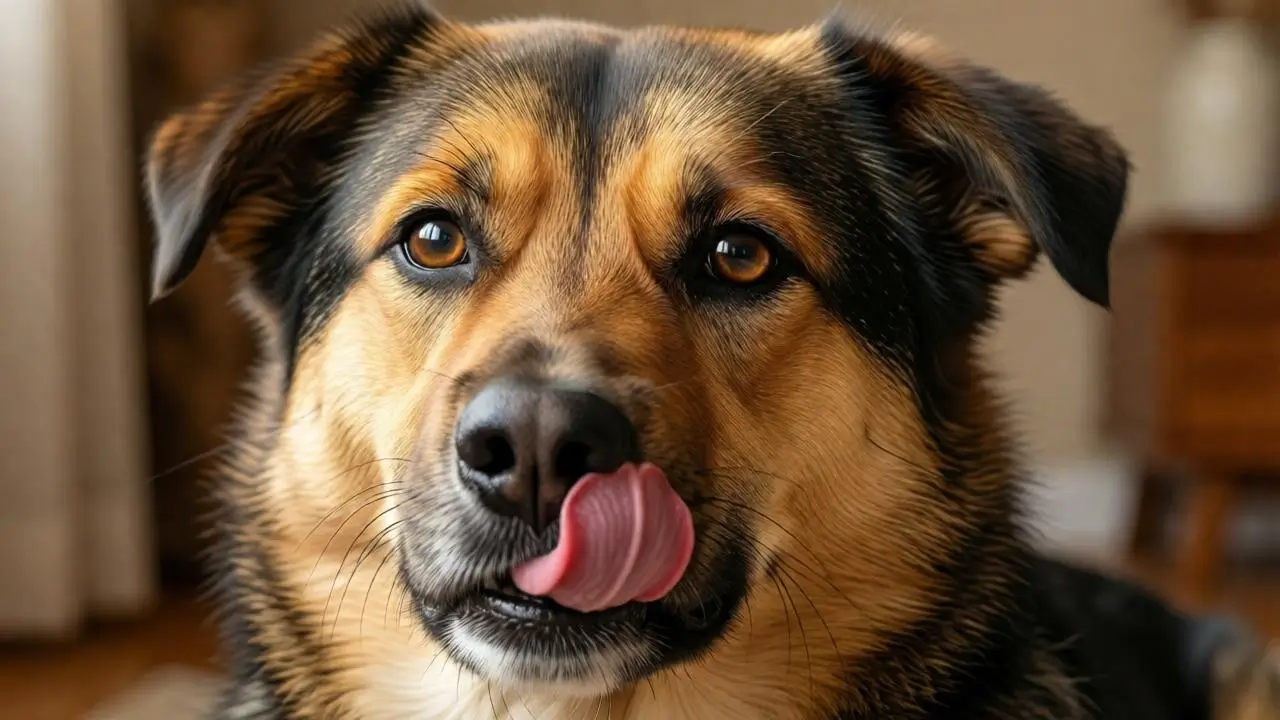
If you have ever watched your dog closely, you may have noticed a subtle but frequent behavior: lip licking. Many dog owners assume this action is connected only to hunger or food anticipation, but the reality is far more complex. The question why do dogs lick their lips opens the door to understanding canine communication, emotional states, and even potential health concerns.
Dogs communicate primarily through body language. Unlike humans, they do not rely on spoken words, so their expressions, movements, and small gestures carry meaning. Lip licking is one of those behaviors that can signal everything from contentment to stress. Understanding why dogs lick their lips helps owners respond appropriately and strengthens the bond between humans and their pets.
This article explores the many reasons behind this behavior, explains when it is normal, and highlights when it may be a sign of something that needs attention.
Lip Licking as a Natural Canine Behavior
At its most basic level, lip licking is a normal, instinctive action. Dogs use their tongues to clean their mouths, remove food residue, and maintain comfort. After eating, it is common for dogs to lick their lips as a way to clear away remaining smells or tastes.
This type of lip licking is usually relaxed and occasional. The dog’s posture remains loose, the ears are neutral, and there are no signs of discomfort. In these moments, lip licking is simply part of normal canine grooming behavior.
However, when lip licking becomes frequent or appears in specific situations, it may indicate something more meaningful.
Why Do Dogs Lick Their Lips When They Are Nervous?
One of the most common answers to why do dogs lick their lips relates to stress or anxiety. Dogs often lick their lips as a calming signal. This behavior is a way for them to soothe themselves when they feel uncomfortable or uncertain.
For example, a dog may lick its lips when meeting a new person, encountering another dog, or being placed in an unfamiliar environment. This action is not a sign of aggression; instead, it is often a signal that the dog is trying to avoid conflict or ease tension.
Lip licking linked to nervousness is usually accompanied by other subtle signs, such as avoiding eye contact, yawning, or holding the body stiffly. Recognizing these cues helps owners adjust the situation and provide reassurance rather than unintentionally increasing stress.
Lip Licking as a Sign of Anticipation
Dogs also lick their lips when they expect something enjoyable, especially food. The smell of a meal, the sound of a treat bag opening, or even a familiar feeding routine can trigger lip licking.
In this context, lip licking is associated with excitement and anticipation. The dog may stare intently, wag its tail, and remain focused on the source of food. This type of lip licking is typically short-lived and stops once the dog receives what it expects.
Understanding this distinction is important because anticipation-based lip licking is positive and normal, while stress-related lip licking often occurs in situations where the dog feels uneasy.
Why Do Dogs Lick Their Lips During Training?
During training sessions, dogs often lick their lips as they process information or feel mild pressure to perform correctly. Training requires focus, problem-solving, and attention, which can be mentally demanding.
A dog that licks its lips during training may be showing concentration or mild uncertainty. This behavior can also occur if the dog is confused about what is being asked. In these cases, lip licking serves as a self-soothing mechanism.
Observing this behavior during training can help owners adjust their approach. Slowing down, offering clearer cues, or rewarding small successes can reduce confusion and improve learning outcomes.
Communication and Social Signals
Lip licking is also part of canine social communication. Dogs use it to convey peaceful intentions and to de-escalate situations. When one dog licks its lips in the presence of another, it may be signaling that it does not want conflict.
This behavior can also appear when a dog interacts with humans. For example, a dog may lick its lips when being hugged tightly or approached too directly. In these moments, the dog is communicating discomfort rather than affection.
Understanding lip licking as a communication tool helps prevent misunderstandings and promotes respectful interactions between dogs and people.
Why Do Dogs Lick Their Lips When They Feel Unwell?
In some cases, frequent lip licking can indicate physical discomfort or health issues. Dogs may lick their lips when experiencing nausea, dental pain, or digestive problems.
A dog feeling nauseous may lick its lips repeatedly, swallow often, or drool more than usual. Dental issues, such as gum inflammation or a damaged tooth, can also cause lip licking as the dog tries to relieve discomfort.
When lip licking is paired with symptoms like loss of appetite, lethargy, vomiting, or changes in behavior, it may be time to consult a veterinarian. Paying attention to these patterns allows for early detection of potential health concerns.
Emotional States and Lip Licking
Dogs experience a wide range of emotions, including excitement, fear, frustration, and contentment. Lip licking can reflect these emotional states, depending on the context.
A dog that licks its lips while resting calmly may simply be relaxed. On the other hand, a dog that licks its lips rapidly in a tense environment may be overwhelmed.
Understanding why do dogs lick their lips requires observing the full picture: the environment, body posture, facial expression, and timing. Lip licking rarely occurs in isolation, and interpreting it correctly depends on recognizing surrounding cues.
Habitual Lip Licking
Sometimes, lip licking becomes a habit rather than a direct response to a specific stimulus. Dogs may develop repetitive behaviors due to boredom, lack of stimulation, or anxiety.
Habitual lip licking often occurs when a dog lacks sufficient mental or physical engagement. Increasing daily exercise, introducing puzzle toys, and providing varied enrichment activities can help reduce repetitive behaviors.
If habitual lip licking persists despite environmental improvements, professional guidance from a veterinarian or behavior specialist may be helpful.
The Role of Environment
Environmental factors play a significant role in canine behavior. Loud noises, unfamiliar smells, crowded spaces, or sudden changes in routine can all trigger lip licking.
Dogs are highly sensitive to their surroundings, and lip licking may appear as they process new or overwhelming stimuli. Maintaining a predictable routine and offering safe spaces can help reduce stress-related behaviors.
By creating an environment that supports emotional security, owners can minimize unnecessary stress signals such as excessive lip licking.
Why Do Dogs Lick Their Lips Around People?
Many dogs lick their lips when interacting with humans, especially during close contact. This behavior may indicate politeness, submission, or discomfort, depending on the situation.
For example, a dog being stared at directly may lick its lips as a signal to reduce tension. Similarly, a dog that feels unsure during physical contact may use lip licking to communicate unease.
Recognizing these signals encourages respectful interaction and prevents situations where a dog feels pressured or misunderstood.
Interpreting Lip Licking Correctly
Understanding why do dogs lick their lips depends on context rather than assuming a single explanation. Observing patterns over time helps distinguish between normal behavior and signs of concern.
Owners who take the time to learn canine body language often develop stronger communication with their dogs. This awareness leads to better care, reduced stress, and a healthier relationship overall.
Frequently Asked Questions (FAQs)
Why do dogs lick their lips when there is no food around?
Dogs may lick their lips due to stress, anticipation, communication signals, or mild discomfort. Context and accompanying behavior help determine the reason.
Is lip licking always a sign of anxiety?
No. Lip licking can indicate hunger, excitement, relaxation, or self-grooming. Anxiety-related lip licking is usually paired with other stress signals.
Should I be worried if my dog licks its lips frequently?
Occasional lip licking is normal. Frequent or sudden increases, especially with other symptoms, may require veterinary attention.
Do puppies lick their lips for the same reasons as adult dogs?
Yes, though puppies may also lick their lips more often as they explore new environments and learn social cues.
Can training reduce stress-related lip licking?
Yes. Positive reinforcement training, clear communication, and gradual exposure to new experiences can reduce anxiety-based behaviors.
How can I tell if lip licking is related to illness?
If lip licking is combined with drooling, vomiting, appetite loss, or behavioral changes, a medical cause may be involved.
Conclusion
The question why do dogs lick their lips reveals how complex and meaningful canine behavior truly is. Lip licking is not just a simple habit; it is a versatile form of communication, self-regulation, and expression. From anticipation and relaxation to stress and discomfort, this small gesture carries valuable information.
By observing context, understanding body language, and responding thoughtfully, dog owners can better meet their pets’ emotional and physical needs. Recognizing lip licking as a signal rather than dismissing it strengthens trust and improves overall well-being.
Dogs speak through their actions. Learning to understand those actions allows us to be better companions, caregivers, and advocates for the animals who share our lives.
For More Visits: Animalsinfo
Also Read: Can Cats Eat Banana Pudding: Top 5 Safe Tips 2026