


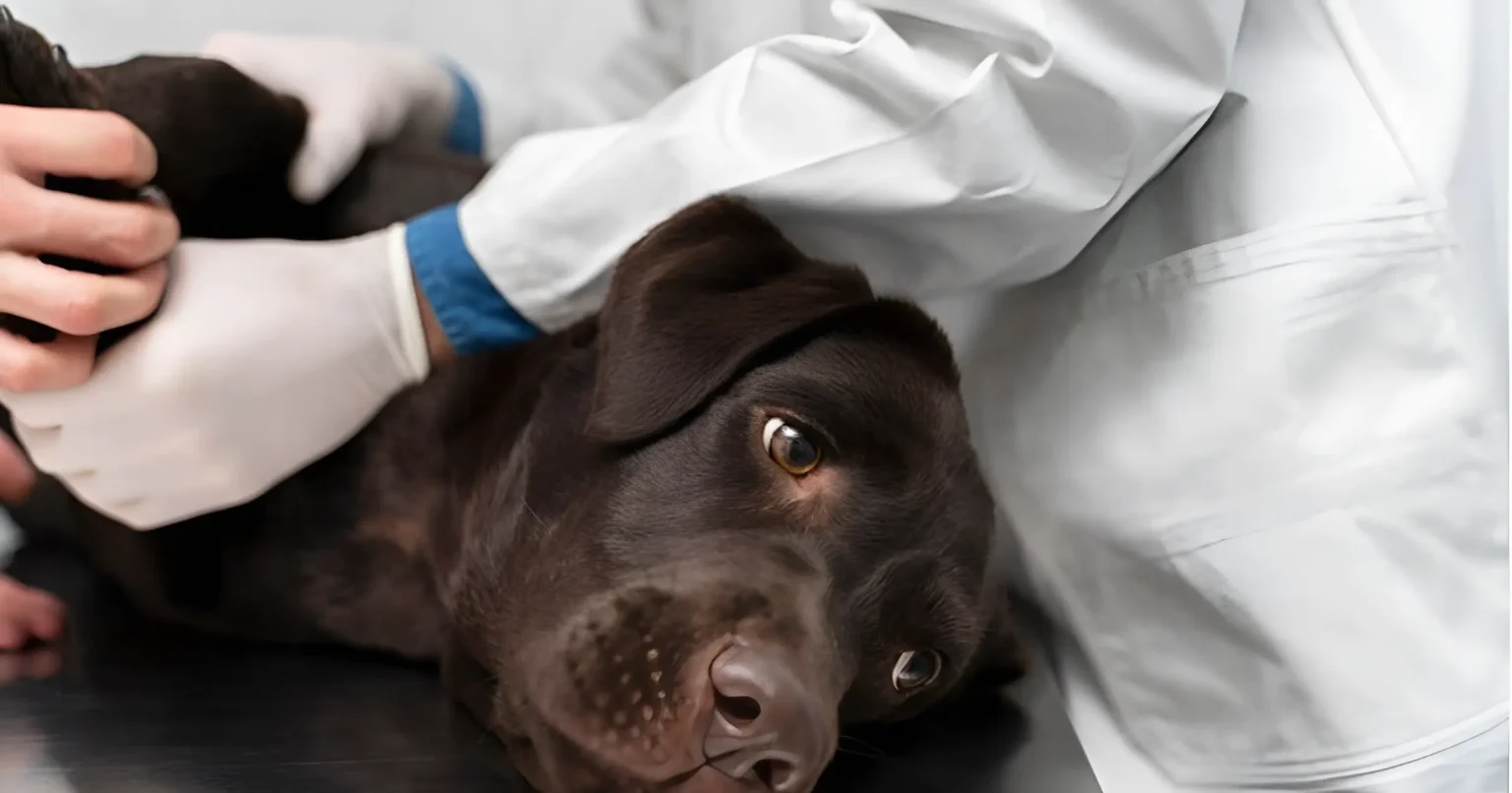
Signs of cancer in dogs is one of the most frightening health issues for any pet owner. It often develops quietly, showing subtle warning signals long before it becomes obvious. Many of these early signs are easy to overlook because they resemble normal aging, minor infections, or harmless changes in behavior. But catching cancer early gives dogs a far better chance of successful treatment and a comfortable life. That is why understanding the early signs of cancer in dogs becomes incredibly important for every responsible owner.
Dogs cannot communicate their pain the way humans can. Their instinct is to hide weakness. That means owners must pay attention to small changes — the kind that appear insignificant at first but gradually indicate something deeper happening inside the body. When the signs are recognized early, treatment options expand, survival rates increase, and the dog’s comfort improves drastically.
This article explains the most important signs of cancer in dogs, how to observe them, and when to take action. It is designed to help you identify symptoms without causing unnecessary panic, because not every unusual behavior means cancer. Still, knowing what to look for helps protect your dog’s long-term well-being.
Unexplained Weight Loss
One of the earliest and most common signs of cancer in dogs is sudden weight loss. Many owners dismiss it as aging or reduced appetite, but unexplained weight loss is almost always a sign of something happening inside the dog’s body. Even if the dog is eating normally, cancer can interfere with nutrient absorption and metabolism, causing the body to lose weight at a noticeable pace.
Some tumors use a large amount of the dog’s energy, gradually draining its strength. Others affect organs that help digest food. That is why weight loss without any change in diet should always be taken seriously. If you feel your dog’s ribs more prominently or notice loose skin around the waistline, the cause deserves immediate attention.
Unusual Lumps or Swellings
Not every lump is cancer, but cancerous tumors often appear as new masses under the skin or deep inside the body. What matters most is not the size, but the change. A lump that grows quickly, hardens, changes shape, or becomes painful may indicate tumor development.
Many pet owners find lumps while grooming or petting their dogs. That is why regular physical touch is so important. Early detection opens the door to simpler treatment options, including removal before the tumor spreads.
Lumps can appear anywhere: legs, chest, abdomen, neck, and even inside the mouth. Any lump that appears suddenly or continues to grow should be evaluated.
Persistent Fatigue and Loss of Energy
Every dog slows down with age, but cancer-related fatigue has a different pattern. The dog may become unusually tired during normal activities or lose interest in play altogether. They may seem fine in the morning but exhausted after minimal movement.
Cancer affects the body’s internal systems, reducing the dog’s ability to produce energy. Tumors can restrict organ function or interfere with blood production, leading to weakness. When fatigue becomes persistent and does not improve with rest, it is a sign that something more serious may be happening
Changes in Appetite
Dogs usually maintain a consistent appetite unless something is wrong. A noticeable decrease in appetite is one of the earliest signs of internal illness. Cancer can alter taste, cause nausea, or affect digestion, all of which reduce the dog’s interest in food.
On the other hand, some dogs with certain tumors may develop an increased appetite due to hormonal changes. Any dramatic shift — eating far less or far more — signals an underlying issue.
If your dog is refusing meals, skipping treats, or acting hungry all the time without gaining weight, attention is needed.
Unusual Bleeding or Discharge
Bleeding without injury is a red flag. Cancer can weaken blood vessels, irritate tissues, or cause internal swelling, all of which may lead to bleeding. This can appear in various ways:
• nosebleeds
• blood in vomit
• blood in stool
• vaginal bleeding not related to heat
• bleeding gums
• discharge from ears or eyes
Even minor bleeding should be checked, especially when combined with other symptoms.
Frequent Vomiting or Diarrhea
Digestive issues are common in dogs, but when vomiting or diarrhea becomes frequent or persistent, it may indicate a deeper problem. Cancer affecting the stomach, intestines, or liver often leads to discomfort, inflammation, and loss of appetite.
A dog with gastrointestinal cancer may vomit undigested food, drink excessive water, or strain during bowel movements. If these symptoms continue for more than a few days, testing becomes essential.
Changes in Breathing or Persistent Coughing
Lung cancer, heart tumors, or cancers spreading to the chest can affect breathing. A dog may start coughing more often, breathing heavily, or showing discomfort while resting. These symptoms do not always mean cancer — infections, heart issues, or allergies can also cause them — but persistent breathing problems should never be ignored.
If your dog pants excessively while resting, struggles during exercise, or shows wheezing sounds, the cause may involve the respiratory system.
Difficulty Eating, Chewing, or Swallowing
Tumors in the mouth, throat, or neck often lead to noticeable changes in eating behavior. Dogs may chew slowly, drop food from their mouths, or avoid hard kibble because it hurts. You may also notice bad breath, bleeding gums, or visible growths under the tongue or on the gums.
Mouth cancer is more common in older dogs, but younger dogs can develop it as well. Any change in chewing pattern or mouth odor should be examined carefully.
Stiffness, Lameness, or Difficulty Moving
Cancer that affects bones or joints can create pain, stiffness, and swelling. A dog may limp, hesitate to climb stairs, or avoid jumping onto furniture. Some dogs show pain when touched on specific areas.
Bone cancer often begins as mild lameness that gradually worsens. Many owners assume it’s arthritis, especially in older dogs, but the rapid progression helps distinguish the two. If your dog becomes hesitant to move or expresses pain when walking, it is important to investigate the cause.
Sudden Behavioral Changes
Dogs usually behave consistently unless something disrupts their routine or comfort. Cancer can cause subtle or drastic behavioral changes, depending on the organs involved and the level of discomfort.
You may notice:
• increased irritability
• withdrawal from family members
• unusual clinginess
• decreased interest in activities
• confusion or disorientation
Pain, fatigue, and hormonal changes influence behavior. When emotional shifts appear without any environmental trigger, medical evaluation becomes essential.
Persistent Wounds or Skin Sores
A wound that refuses to heal may indicate more than just an infection. Skin cancers often begin as small sores that crust over, reopen, and fail to improve. These sores can itch, bleed, or change color over time.
Healthy dogs with strong immune systems heal quickly. When healing slows dramatically, it means the body is struggling internally. Any sore that persists beyond a normal healing period deserves attention.
Changes in Bathroom Habits
Cancer affecting the urinary system or digestive system can disrupt normal bathroom patterns. Some dogs begin urinating more frequently, straining, or producing small amounts of urine. Others may have difficulty defecating, develop constipation, or show signs of pain during bowel movements.
Blood in urine or stool is another critical sign that should be addressed immediately.
Swollen Abdomen or Bloating
A swollen abdomen can result from fluid buildup, organ enlargement, or internal tumors. Dogs with abdominal cancer may experience discomfort when lying down, whine when touched, or lose interest in eating.
Bloating that appears suddenly and is accompanied by breathing difficulty is especially serious. Immediate intervention becomes necessary because it could indicate internal bleeding or tumor rupture.
Increased Thirst and Urination
Some cancers, especially those involving the kidneys or endocrine system, cause dogs to drink excessive amounts of water. If your dog empties the water bowl far more frequently than usual or asks to go outside repeatedly, an internal imbalance may be developing.
Excessive thirst alone is not a diagnosis, but combined with weight loss, fatigue, or appetite changes, it becomes concerning.
When Signs Become Red Flags
A single symptom rarely confirms cancer. Dogs can show these signs due to infections, allergies, or digestive issues. The real danger arises when:
• multiple symptoms appear at the same time
• symptoms continue for weeks
• the dog shows noticeable pain
• appetite changes are severe
• lumps grow rapidly
• bleeding becomes frequent
• behavior changes drastically
The more persistent the symptoms, the more urgently the dog needs a medical examination. Early diagnosis gives the best chance for successful treatment.
How Owners Can Monitor Their Dog at Home
Understanding your dog’s normal habits helps you detect changes early. Simple habits like checking for lumps during grooming, monitoring weight, observing bathroom routines, and noticing changes in energy level can save your dog’s life.
Dogs often hide discomfort until it becomes unbearable. That is why routine observation becomes a powerful tool for early detection.
FAQs About Signs of Cancer in Dogs
1. What is the first sign of cancer in dogs?
The earliest sign is often unexplained weight loss or the sudden appearance of a new lump. However, symptoms vary depending on the type of cancer.
2. Do all lumps mean cancer?
No. Many lumps are harmless, such as fatty tumors. But a lump that grows, hardens, or changes shape should be checked.
3. Can cancer in dogs cause vomiting?
Yes. Tumors affecting the stomach, intestines, or liver often cause vomiting, digestive pain, or appetite loss.
4. Why is my dog suddenly acting tired?
Persistent fatigue can indicate internal illness, including cancer. If tiredness lasts more than a few days, evaluation is important.
5. Can cancer cause behavioral changes in dogs?
Yes. Pain, discomfort, and hormonal changes can make dogs irritable, withdrawn, or unusually clingy.
6. Do dogs with cancer stop eating?
Many do. Loss of appetite is one of the most common symptoms because tumors affect digestion or cause nausea.
7. Are older dogs at higher risk of cancer?
Yes. Aging increases the risk, but younger dogs can develop cancer as well. Early signs should never be ignored regardless of age.
8. Can cancer in dogs spread quickly?
Some cancers spread rapidly, while others grow slowly. Early detection determines how manageable the condition will be.
9. When should I worry about a lump?
Worry when the lump grows quickly, becomes firm, turns painful, or appears alongside other symptoms like weight loss or fatigue.
10. Can cancer in dogs be treated?
Many cancers are treatable when diagnosed early. Options may include surgery, medication, radiation, or supportive care.
Final Thoughts
Recognizing the signs of cancer in dogs is one of the most powerful ways to protect your pet’s life. Dogs rely on their owners to notice changes they cannot explain. The sooner these signs are detected, the better the chances for effective treatment and comfort.
Any unusual change — whether physical, behavioral, or emotional — deserves attention. Even if the cause turns out to be something minor, early evaluation ensures peace of mind and supports your dog’s long-term health.
For More Visits: AnimalsInfo
Also Read: Dog Suddenly Eating Grass Like Crazy: Powerful 2025 Guide