

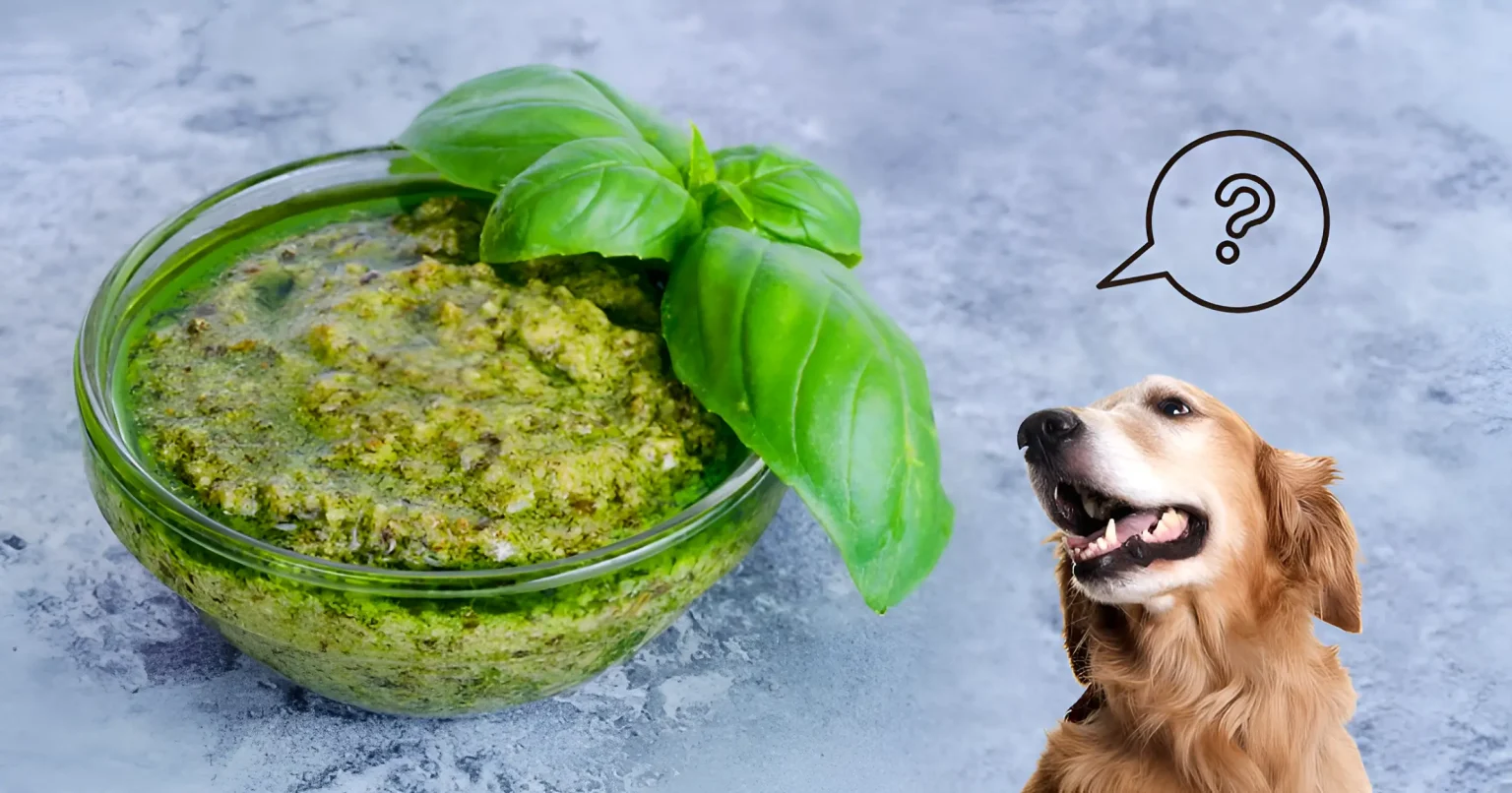
Many dog owners love Italian food, and pesto is one of the most popular sauces used in pasta, sandwiches, salads, and dips. Because of its strong smell and rich flavor, dogs often show interest whenever their owners are eating it. This leads many pet owners to ask a simple but important question: can dogs have pesto? The straightforward answer is no, dogs should not have pesto. While pesto may seem harmless because it is made from natural ingredients, most of those ingredients are not safe for dogs. Traditional pesto contains garlic, large amounts of oil, nuts, salt, cheese, and seasonings that pose health risks to dogs even in small amounts.
Understanding why dogs should not eat pesto requires looking at each of the ingredients and how they affect a dog’s body. Many of the components in pesto are healthy for humans but dangerous for pets. This is why pet owners must be careful and avoid letting their dogs taste foods that may seem innocent but are actually harmful. When asking can dogs have pesto, it’s essential to examine how each ingredient interacts with a dog’s digestive system and overall health.
Garlic: The Biggest Danger in Pesto
One of the primary reasons dogs should not eat pesto is garlic. Traditional basil pesto contains a significant amount of raw garlic, and garlic is toxic to dogs. Garlic can damage a dog’s red blood cells, leading to a condition called hemolytic anemia. Even small amounts of garlic can be harmful, especially when it is raw or concentrated, as it is in pesto. This means that pesto is not just unhealthy but potentially dangerous for dogs. When people ask, can dogs have pesto, they are often unaware that garlic is considered highly toxic for dogs.
Garlic toxicity does not always appear immediately. Symptoms may take hours or even days to show, which is why it is even more dangerous. A dog that consumes pesto containing garlic may later develop lethargy, weakness, difficulty breathing, vomiting, or pale gums. These symptoms require immediate veterinary attention. Since garlic is a core ingredient in pesto, it makes the sauce unsuitable for dogs under any circumstance.
The Problem with Nuts in Pesto
Another important reason the answer to can dogs have pesto is no is because of nuts. Pesto traditionally uses pine nuts, but some homemade or store-bought versions include walnuts, cashews, or almonds. While some nuts are not toxic to dogs, they are still high in fat and can cause digestive upset or pancreatitis. Certain nuts, such as macadamia nuts, are extremely toxic to dogs, and cross-contamination is common in nut processing facilities. The risk is simply too high.
Pine nuts themselves are not classified as toxic to dogs, but they are very high in fat. High-fat foods increase the likelihood of inflammation in the pancreas, which can be a life-threatening condition requiring immediate medical treatment. Another issue is that nuts are dense, heavy, and hard to digest, making them unsuitable for a dog’s digestive system. When people wonder can dogs have pesto, they often overlook the fact that nuts create significant digestive risks for pets.
Excess Oil and Fat in Pesto
Pesto is made using a large quantity of olive oil. While olive oil in tiny amounts may be safe for dogs, pesto contains far more oil than a dog should ever consume. The high fat content in pesto can quickly lead to an upset stomach, diarrhea, vomiting, or greasy stools. Over time, repeated exposure to fatty foods can contribute to obesity, heart strain, and pancreatitis.
Dogs do not need extra oils in their diet unless specifically advised by a veterinarian. Their digestive systems are not built to handle large amounts of rich, oily sauces. This is another critical point in understanding why the answer to can dogs have pesto is always no. The oil content alone makes pesto an unhealthy choice for dogs even without considering the garlic and nuts.
Cheese and Sodium Levels in Pesto
Cheese is another major ingredient in pesto, typically Parmesan or pecorino romano. These cheeses are high in sodium and sometimes difficult for dogs to digest because many dogs are lactose intolerant. Too much sodium can lead to dehydration, excessive thirst, or even sodium poisoning in severe cases. Lactose intolerance can result in gas, bloating, or diarrhea.
When examining whether can dogs have pesto, cheese becomes yet another ingredient that adds to the overall risk. It is not necessary in a dog’s diet and contributes to the already high-fat content of pesto. Processed cheese used in some pesto brands also contains preservatives and artificial additives that are unsafe for dogs.
Seasonings and Additives in Store-Bought Pesto
Many store-bought pesto sauces contain preservatives, artificial flavors, stabilizers, and extra salt to prolong shelf life. Dogs are extremely sensitive to additives, and many of these chemicals may trigger stomach upset or allergic reactions. Some brands even include onion powder along with garlic, which is another toxic ingredient for dogs.
This means the question can dogs have pesto extends beyond homemade versions. Store-bought pesto is typically even more dangerous because it contains more salt, more oil, and more seasonings that can cause harm. Dogs thrive on plain, simple foods, and heavily seasoned products like pesto should never be included in their diet.
What Happens If a Dog Accidentally Eats Pesto?
If your dog licks a tiny amount of pesto off the floor or steals a small taste, it is not always an emergency, but it depends on the amount consumed and the size of your dog. A small lick may cause mild stomach upset, but if your dog ate a larger quantity, especially if it contains raw garlic, you must monitor them closely. Garlic toxicity symptoms may take time to develop, so observing your dog for signs of weakness, pale gums, loss of appetite, vomiting, or rapid breathing is essential.
When wondering can dogs have pesto, it’s also important to remember that puppies and small dogs are more sensitive. Even small amounts of garlic or high-fat foods can cause stronger reactions in smaller breeds. If your dog ate a significant amount of pesto, contacting a veterinarian is the safest approach. Quick action can prevent serious complications.
Why Dogs Like Pesto Even Though It’s Unsafe
Dogs are naturally attracted to strong scents and rich foods. The aroma of garlic, cheese, and oil in pesto makes it irresistible to many pets. This does not mean it is healthy or safe. Dogs do not understand which foods are harmful to them, and their interest in pesto is based purely on smell. As their owner, you must make the responsible decision to keep such foods out of reach. When people ask can dogs have pesto, they often forget that what smells good to a dog isn’t always safe for them.
Safer Alternatives to Pesto for Dogs
Even though dogs cannot have pesto, there are dog-friendly alternatives that offer flavor without harmful ingredients. A simple puree of basil with a small amount of water can be used as a safe herbal garnish. Cooked vegetables, mashed sweet potatoes, or plain cooked meats also make much better treat options than pesto. These provide flavor without toxic elements like garlic and nuts. Dogs need food that supports their digestion and health, and human sauces rarely meet that standard.
Can Dogs Have Any Kind of Pesto?
Some people ask whether dogs can have pesto if it is made without garlic. While removing garlic eliminates the most dangerous ingredient, the sauce still contains nuts, oil, cheese, and salt. Even garlic-free pesto is not recommended for dogs because it is still too rich, fatty, and salty. Dogs have delicate digestive systems, and high-fat condiments can easily cause stomach issues. So the answer remains the same: can dogs have pesto is still no even if the recipe is altered.
Final Verdict: Can Dogs Have Pesto?
After examining all the ingredients in traditional pesto—garlic, nuts, oil, cheese, and salt—it becomes clear that dogs should not have pesto under any circumstances. The risks far outweigh any potential benefits. Garlic toxicity alone is a major concern, and the high-fat content of pesto makes it unsuitable for dog digestion. Dogs need simple, clean foods that align with their nutritional needs, not human sauces that can make them sick.
So if you ever wonder can dogs have pesto, the answer is always no. Keeping pesto away from your dog is the safest choice. If your dog accidentally eats some, monitor them carefully and contact a veterinarian if symptoms appear. Responsible feeding is essential for your dog’s health, and avoiding foods like pesto is part of ensuring a long, healthy life for your pet.
For More Visits: Animalsinfo
Also Read: Can Dogs Have Salt and Vinegar Chips? | Risk Alert