

Dog owners often wonder whether sharing human food with their pets is safe. One common question that comes up is: can dogs have egg salad? Eggs themselves are widely known as a nutritious food, but egg salad is a mixed dish that usually contains additional ingredients. Understanding the difference between plain eggs and traditional egg salad is essential before offering it to your dog.
This article explores whether dogs can eat egg salad, what ingredients make it unsafe, how eggs affect canine health, and how to safely include eggs in your dog’s diet if you choose to do so. By the end, you will have a clear answer and practical guidance to protect your dog’s health.
Understanding What Egg Salad Really Is
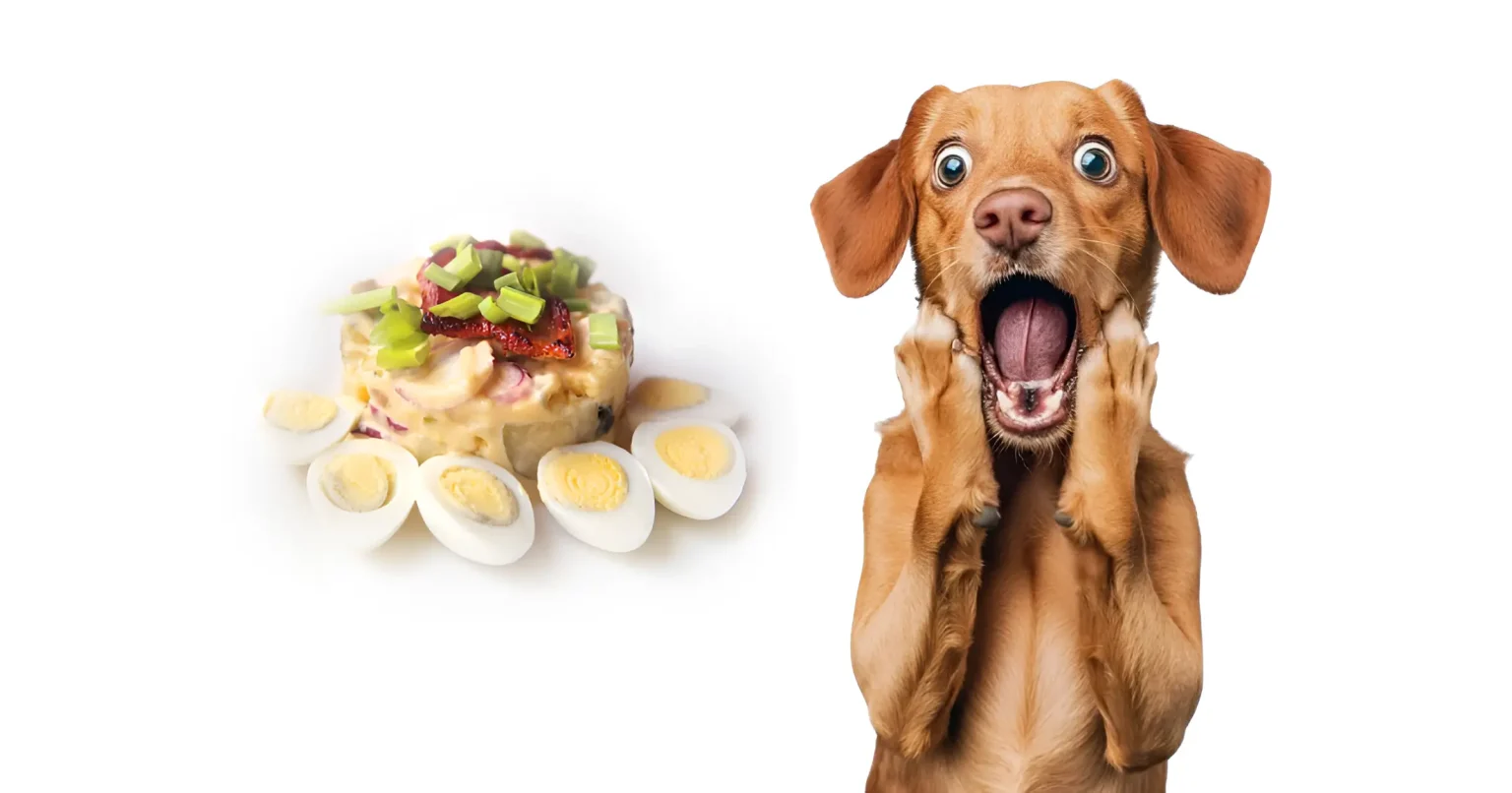
Egg salad is not just eggs. While the base ingredient is usually hard-boiled eggs, most recipes include mayonnaise, mustard, salt, pepper, and sometimes onion, garlic, or other seasonings. Some versions also add relish, herbs, or vinegar. These additions change the safety profile of the dish entirely when it comes to dogs.
Dogs digest food differently from humans. Ingredients that are harmless or enjoyable for people can cause digestive upset or more serious health issues in dogs. That is why it is important to judge egg salad not by its main ingredient alone, but by everything mixed into it.
Are Eggs Safe for Dogs?
Plain, cooked eggs are generally safe for most dogs when served in moderation. Eggs contain high-quality protein, essential amino acids, and beneficial fats. They can support muscle health, skin condition, and coat shine when included appropriately in a balanced diet.
However, eggs should always be fully cooked before feeding them to dogs. Raw eggs can carry bacteria and may interfere with nutrient absorption. Cooking eliminates these risks and makes eggs easier to digest.
While eggs can be a healthy treat, they should not replace a complete dog food diet. Balance and portion control matter.
Why Traditional Egg Salad Is Usually Not Safe for Dogs
The main issue with egg salad is not the egg—it is the added ingredients. Most egg salad recipes contain components that can be harmful to dogs, especially when consumed regularly or in large amounts.
Mayonnaise is a common ingredient in egg salad and is very high in fat. Dogs are much more sensitive to fatty foods than humans. Consuming high-fat foods can lead to stomach upset, diarrhea, vomiting, and in some cases pancreatitis, which is a painful and serious condition.
Mustard, another frequent ingredient, can irritate a dog’s digestive system. Even small amounts may cause vomiting or discomfort. Onions and garlic, whether fresh or powdered, are particularly dangerous because they can damage a dog’s red blood cells and lead to anemia over time.
Salt and spices are also problematic. Dogs do not need added sodium, and too much salt can cause dehydration and stress on the kidneys. Spices may irritate the stomach or cause allergic reactions.
Because of these risks, most store-bought or homemade egg salads are not suitable for dogs.
Can Dogs Have Egg Salad in Any Form?
In very limited situations, a modified version of egg salad may be safe. If the “egg salad” consists only of plain boiled eggs that are mashed or chopped with no mayonnaise, no seasoning, and no added ingredients, then it is essentially just eggs. In that case, a small amount can be safe for most dogs.
The key is that it must be plain and simple. The moment human-style ingredients are added, it stops being dog-friendly.
How a Dog’s Digestive System Reacts to Rich Foods
Dogs have a shorter digestive tract than humans, which makes it harder for them to process rich or fatty foods. Foods that are heavy in oils, fats, or spices pass through the system quickly and can trigger inflammation.
When dogs eat something too rich, symptoms may appear within hours. These can include loose stools, vomiting, gas, lethargy, or abdominal discomfort. Some dogs recover quickly, while others may need veterinary care.
Repeated exposure to unsuitable foods increases the risk of long-term digestive problems. That is why treats should always be chosen carefully.
Portion Size Matters More Than Many Owners Realize
Even safe foods can become harmful if given in large quantities. Eggs are nutritious, but they are also calorie-dense. Feeding too many eggs can contribute to weight gain, especially in small or less active dogs.
A large dog may tolerate more than a small dog, but moderation applies to all breeds. Egg-based treats should remain occasional, not daily.
When introducing eggs for the first time, it is best to start with a very small amount and observe how your dog reacts. Some dogs may have sensitivities or allergies that are not immediately obvious.
Dogs With Special Health Conditions
Certain dogs should avoid egg salad and even plain eggs unless advised otherwise by a veterinarian. Dogs with pancreatitis are especially vulnerable to high-fat foods, and egg salad can trigger flare-ups. Overweight dogs may also struggle with calorie-dense treats.
Dogs with known food allergies or sensitive stomachs should be introduced to new foods slowly. If your dog has a medical condition, it is always safer to consult a professional before changing their diet.
Safer Alternatives to Egg Salad for Dogs
If you want to share the benefits of eggs with your dog without the risks of egg salad, plain eggs are the safest option. Boiled or scrambled eggs without oil, butter, salt, or seasoning can be a healthy treat.
Eggs can be chopped and mixed into regular dog food in small amounts. This adds flavor and nutrition without overwhelming the digestive system.
Some owners also use eggs as a training reward, offering tiny pieces as a high-value treat.
Signs Your Dog Should Not Eat Egg Salad Again
If your dog accidentally eats egg salad and shows signs of discomfort, it is best not to offer it again. Warning signs include repeated vomiting, diarrhea, loss of appetite, excessive drooling, or unusual tiredness.
If symptoms persist or worsen, veterinary attention is recommended. Early care can prevent complications.
The Importance of Treat Awareness
Many dog owners share food as a way to bond with their pets. While the intention is loving, not all human foods are safe for dogs. Learning which foods are acceptable and which should be avoided helps prevent unnecessary health problems.
Egg salad is a good example of a food that seems harmless at first glance but becomes risky because of added ingredients. Understanding this distinction allows you to make better choices for your dog.
Homemade Dog-Friendly Egg Recipes
If you enjoy preparing food for your dog, you can create egg-based snacks that are safe and simple. Plain boiled eggs chopped into small pieces are one option. Scrambled eggs cooked in a dry pan without oil are another.
These preparations provide protein without exposing your dog to harmful additives. Always keep portions small and treat these foods as supplements rather than main meals.
Long-Term Feeding Habits and Canine Health
A dog’s diet plays a major role in their long-term health. Feeding inappropriate foods regularly can lead to obesity, digestive issues, and chronic illness. Even occasional treats should be chosen with care.
Dogs thrive on consistency. Sudden dietary changes, including rich human foods like egg salad, can disrupt their digestive balance. Sticking to dog-appropriate foods ensures better overall well-being.
Final Thoughts on Dogs and Egg Salad
So, can dogs have egg salad? The answer depends on what kind of egg salad you mean. Traditional egg salad made for humans is not safe for dogs due to high fat content and harmful ingredients. Plain eggs, when prepared simply and served in moderation, are generally safe and nutritious.
When in doubt, keep it simple. Your dog does not need complex recipes to be happy or healthy. Sometimes, less really is more.
Frequently Asked Questions (FAQs)
Can dogs eat egg salad with mayonnaise?
No, egg salad with mayonnaise is not recommended for dogs. Mayonnaise is high in fat and can cause digestive issues or pancreatitis.
Is plain egg salad safe for dogs?
If the egg salad contains only plain cooked eggs with no seasoning or additives, small amounts may be safe. It should be treated as an occasional snack.
What happens if my dog eats egg salad by accident?
A small amount may only cause mild stomach upset. Watch for vomiting, diarrhea, or lethargy. If symptoms are severe or persistent, contact a veterinarian.
Can puppies eat egg salad?
Puppies have more sensitive digestive systems. It is best to avoid egg salad and stick to puppy-appropriate food and treats.
How often can dogs eat eggs?
Eggs should be given occasionally, not daily. Moderation helps avoid weight gain and digestive problems.
Are scrambled eggs better than egg salad for dogs?
Yes, plain scrambled eggs without oil or seasoning are a safer option than egg salad.
Can dogs be allergic to eggs?
Yes, some dogs may be allergic or sensitive to eggs. Introduce eggs slowly and stop if you notice itching, digestive upset, or other reactions.
For More Visits: Animalsinfo
Also Read: Can Dogs Have Huckleberries? Safe & Powerful Guide 2025