


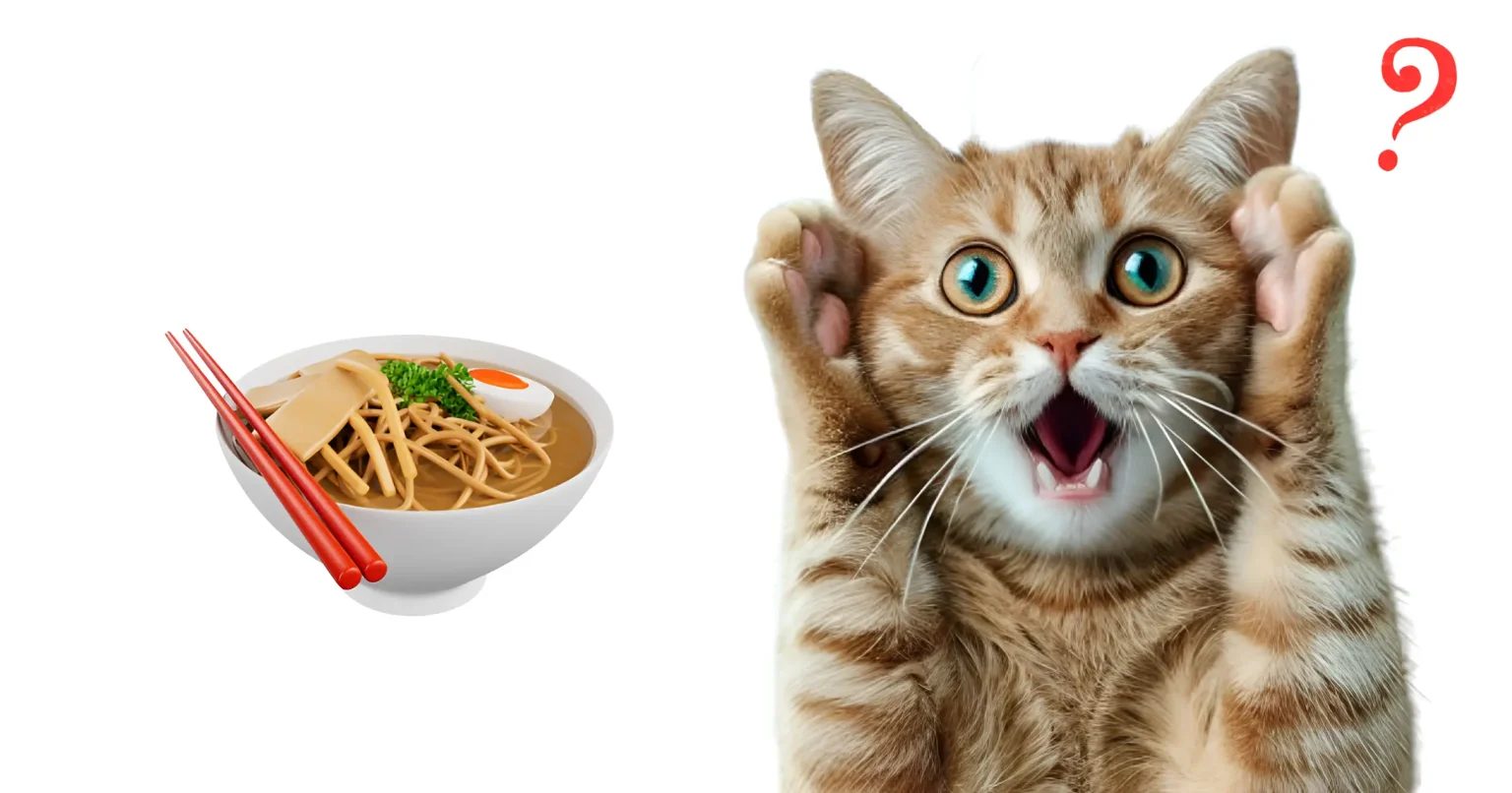
Can Cats Eat Ramen Noodles? Cats are curious by nature, especially when it comes to food their owners are eating. The smell of warm ramen noodles, with their savory aroma and rich broth, can easily attract a cat’s attention. Many cat owners wonder whether it is safe to share a small bite. While ramen noodles are a popular comfort food for humans, they are not designed with feline health in mind.
Understanding what ramen noodles contain, how a cat’s digestive system works, and the potential risks involved is essential before offering even a small amount. This guide explains whether cats can eat ramen noodles, what happens if they do, and safer alternatives for treating your cat.
What Are Ramen Noodles Made Of? – Can Cats Eat Ramen Noodles?
Ramen noodles are a processed wheat-based food originally from Japan but now consumed worldwide. While recipes vary, most ramen includes:
Wheat flour noodles
Salt
Oil or fat
Seasoning packets
Broth flavoring
Spices and additives
Instant ramen, which is the most common type, is especially high in sodium and preservatives. The seasoning packets often contain garlic powder, onion powder, artificial flavor enhancers, and other ingredients that are harmful to cats.
Even homemade ramen usually contains seasonings and broth ingredients that are unsuitable for feline consumption.
Can Cats Eat Ramen Noodles Safely?
The short and clear answer is no, cats should not eat ramen noodles. Ramen noodles do not provide any nutritional benefit for cats and pose multiple health risks. While a cat may not suffer immediate harm from licking a plain noodle once, regular or intentional feeding is unsafe.
Cats are obligate carnivores, meaning their bodies are designed to digest animal protein, not processed carbohydrates like wheat noodles.
Why Ramen Noodles Are Bad for Cats
Several factors make ramen noodles unsuitable and potentially dangerous for cats.
High Sodium Levels
Ramen noodles contain extremely high amounts of salt, especially when prepared with seasoning packets or broth. Cats are very sensitive to sodium. Excess salt intake can cause dehydration, increased thirst, kidney stress, and in severe cases, sodium ion poisoning.
Even a small portion of ramen can exceed a cat’s safe sodium limit.
Toxic Seasonings
Ramen seasoning often includes garlic and onion powder. Both garlic and onions are toxic to cats and can damage red blood cells, leading to anemia. This toxicity can occur even in small quantities, especially if exposure happens repeatedly.
Symptoms of garlic or onion toxicity may not appear immediately, making the risk even more dangerous.
Digestive Problems
Ramen noodles are made from refined wheat flour and oil, which cats cannot digest properly. Feeding noodles can result in vomiting, diarrhea, gas, bloating, or constipation.
Cats lack the digestive enzymes required to break down large amounts of carbohydrates, making ramen especially hard on their stomachs.
Lack of Nutritional Value
Ramen noodles do not contain taurine, an essential amino acid cats must consume to maintain heart health, vision, and proper digestion. Feeding foods that lack taurine can lead to serious long-term health problems.
Cats require diets rich in animal protein, not empty calories from noodles.
Fat and Oil Content
Instant ramen noodles are often fried during processing, increasing their fat content. High-fat foods can trigger pancreatitis in cats, a painful and potentially life-threatening condition.
Can Cats Eat Plain Ramen Noodles Without Seasoning?
Some cat owners wonder if plain noodles without seasoning are safe. Even without seasoning, ramen noodles are still not recommended.
Plain noodles are still high in carbohydrates, contain salt from processing, and offer no nutritional benefit. While a tiny bite may not cause immediate harm, feeding plain ramen is unnecessary and unhealthy.
Cats gain nothing from eating noodles and may develop digestive issues over time.
What Happens If a Cat Eats Ramen Noodles?
If a cat accidentally eats a small amount of ramen noodles, symptoms may vary depending on the quantity and ingredients.
Mild cases may result in temporary stomach upset, such as soft stools or vomiting. More serious reactions may include excessive thirst, lethargy, drooling, weakness, or loss of appetite.
If the ramen contained garlic, onion, or heavy seasoning, symptoms may appear hours or even days later. In such cases, veterinary attention is strongly recommended.
Can Kittens Eat Ramen Noodles?
Kittens should never eat ramen noodles. Their digestive systems are still developing, and they require precise nutritional balance to grow properly.
Feeding ramen noodles to kittens can cause digestive distress, interfere with nutrient absorption, and increase the risk of dehydration or toxicity.
Kittens should only consume kitten-formulated food designed to meet their developmental needs.
Ramen Broth and Cats
Ramen broth is even more dangerous than the noodles themselves. The broth usually contains extremely high sodium levels, oils, spices, and toxic ingredients such as garlic and onion.
Allowing a cat to lick ramen broth can expose them to harmful substances quickly. Cats should never consume ramen broth under any circumstances.
Why Cats Are Drawn to Ramen
Cats may show interest in ramen noodles because of the strong smell, especially from meat-based broths. The aroma may resemble cooked meat, triggering a cat’s instinctive curiosity.
However, attraction does not equal suitability. Many foods that smell appealing to cats are unsafe.
Healthier Alternatives to Ramen for Cats
If you want to share food safely with your cat, there are much better options.
Plain cooked chicken without seasoning is an excellent choice. Boiled or baked chicken provides protein and is easy to digest.
Plain cooked fish such as salmon or tuna can be offered occasionally in small amounts, provided it contains no salt, oil, or spices.
Commercial cat treats are formulated to meet feline nutritional needs and are the safest way to reward your cat.
Bone broth made specifically for pets, without salt, garlic, or onions, can be a safer alternative to human broths.
What to Do If Your Cat Eats Ramen
If your cat eats a small amount of plain noodles, monitor them closely for the next 24 hours. Make sure fresh water is available at all times.
If your cat shows signs such as vomiting, diarrhea, excessive thirst, weakness, pale gums, or loss of appetite, contact a veterinarian immediately.
If the ramen contained seasoning or broth, veterinary advice should be sought even if symptoms are mild.
FAQs About Cats and Ramen Noodles
Can cats eat ramen noodles?
No, ramen noodles are not safe or healthy for cats and should be avoided.
Can cats eat plain noodles without seasoning?
Plain noodles are not toxic but provide no nutritional value and may cause digestive issues.
Is ramen broth safe for cats?
No, ramen broth contains high sodium and toxic seasonings that can harm cats.
What happens if a cat eats garlic or onion from ramen?
Garlic and onion can damage red blood cells and cause anemia, which may be life-threatening.
What human foods are safer for cats?
Plain cooked meat such as chicken or fish without seasoning is safer than processed foods.
Conclusion
Ramen noodles may be a popular and comforting meal for humans, but they are not suitable for cats. The high sodium content, toxic seasonings, processed carbohydrates, and lack of essential nutrients make ramen noodles unsafe for feline consumption.
While a cat may show interest in ramen due to its smell, feeding even small amounts can lead to digestive upset or more serious health complications over time. Kittens and cats with kidney or digestive issues are especially vulnerable.
In summary, cats should not eat ramen noodles. Choosing cat-safe foods and treats ensures your feline companion stays healthy, hydrated, and thriving without unnecessary risks.
For More Visits: Animalsinfo
Also Read: Can Cats Eat Crab Meat? 6 Safe Benefits 2025