

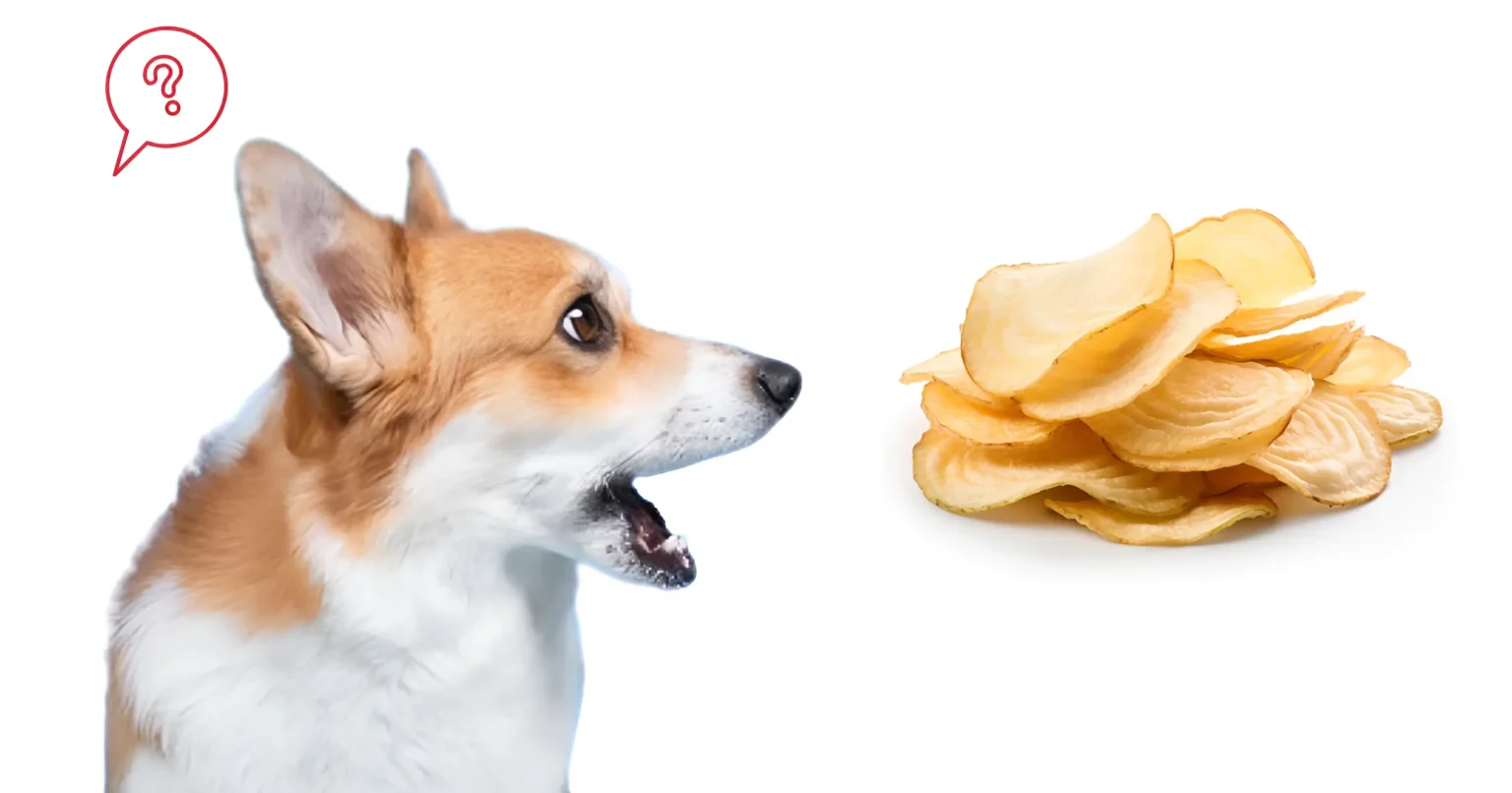
Many dog owners enjoy sharing snacks with their pets, and chips are often the first thing dogs beg for. But the real question is: can dogs have salt and vinegar chips? The simple answer is no, dogs should not have salt and vinegar chips. While it may not be toxic in the way chocolate or grapes are, salt and vinegar chips contain several ingredients that are harmful to dogs in both the short term and long run. These include high levels of salt, strong acidic flavoring, additives, and oils that are unnecessary and unsafe for dogs to consume.
The snack is made for human taste buds, not canine health. Dogs have a completely different nutritional requirement, and even though they can technically digest many human foods, that does not mean the food is good for them. Salt and vinegar chips are one of the snacks that should be avoided altogether for dogs, and understanding the reasons behind this can help prevent digestive problems, health issues, and long-term complications.
Why Salt Is Dangerous for Dogs
Salt is one of the biggest concerns when asking can dogs have salt and vinegar chips. Dogs require very small amounts of sodium in their diets, and they normally get enough from commercial dog food. When a dog eats something as salty as chips, especially salt and vinegar chips which often have even heavier seasoning than regular ones, their sodium intake spikes dangerously.
Excess salt can cause immediate problems like dehydration, extreme thirst, frequent urination, and digestive discomfort. In more serious cases, too much sodium can lead to sodium poisoning, which includes symptoms such as vomiting, diarrhea, tremors, seizures, and in extreme conditions, even death. This is why giving salty snacks to dogs is not worth the risk. Salt and vinegar chips have far more sodium than any dog should ever consume, and because dogs are smaller than humans, a quantity that seems tiny to you can be overwhelming to your pet.
Vinegar and Acidity: Another Issue for Dogs
The vinegar flavor in salt and vinegar chips is created using acetic acid, powdered vinegar, and flavor enhancers. While vinegar in small amounts may not be poisonous, the concentrated acidic coating on chips can irritate a dog’s stomach very easily. Dogs have sensitive digestive systems, and acidic foods can lead to nausea, stomach pain, bloating, and diarrhea.
Dogs are not adapted to handle sharp, acidic flavorings the way humans are. Their food is designed to be mild and simple because their stomachs work differently. When asking “can dogs have salt and vinegar chips,” the acidic component is a major reason the answer is no. Even one chip can cause discomfort in sensitive dogs, and repeated exposure may cause ongoing digestive irritation.
The Problem with Oils and Additives in Chips
Salt and vinegar chips are fried in oils and loaded with preservatives, artificial flavors, and chemicals that give them their strong taste. These additives are safe for humans in regulated amounts but unnecessary and unhealthy for dogs. High-fat fried foods are known to increase the risk of pancreatitis in dogs—a painful and dangerous condition that affects the pancreas and can lead to vomiting, diarrhea, fever, abdominal pain, and appetite loss.
Even if your dog doesn’t develop pancreatitis, fatty foods still contribute to obesity, heart strain, and lower overall energy levels. Salt and vinegar chips are extremely high in unhealthy fats, and feeding these repeatedly—even in small amounts—can negatively impact your dog’s long-term health.
Are Salt and Vinegar Chips Toxic?
The word “toxic” often scares pet owners, so it’s important to clarify that salt and vinegar chips are not toxic in the same sense that grapes, xylitol, chocolate, or onions are. Those foods can cause severe reactions even in small amounts. Chips, however, fall into the category of “harmful but not immediately poisonous.” This means that a single chip will not likely send your dog into a medical emergency, but it is still not safe, and giving them repeatedly or in large quantities can lead to serious health issues.
So if your dog manages to steal one chip, they are probably going to be fine. But if you intentionally feed them chips or they eat many at once, then the risks become much higher. Salt and vinegar chips are harmful enough that they should never be given intentionally.
Symptoms to Watch For If Your Dog Eats Salt and Vinegar Chips
If your dog accidentally eats salt and vinegar chips, you should watch for symptoms such as vomiting, diarrhea, excessive drinking, restlessness, trembling, and signs of stomach discomfort. If your dog consumed a large amount, especially a small dog, you should keep a close eye on them for several hours. In cases where your dog shows signs of salt poisoning or severe stomach upset, contacting a veterinarian is the safest option.
Young puppies, senior dogs, and small breeds are more sensitive to salt and acidity, so the reaction may appear faster and more intense. This is especially important when considering whether dogs can have salt and vinegar chips, because different dogs react differently based on their health, age, and size.
Why Dogs Beg for Chips Even When They’re Bad for Them
Dogs often beg for salt and vinegar chips because they smell strong. The combination of crunchy texture, salty scent, and the sound of the chip bag being opened makes dogs curious and excited. But dogs do not understand the nutritional value—or danger—of what they’re asking for. As their owner, it is your responsibility to recognize whether the food is safe. Even though dogs enjoy crunchy human snacks, salt and vinegar chips are not suitable for dogs to eat.
Healthy Crunchy Alternatives for Dogs
Instead of wondering can dogs have salt and vinegar chips, it’s better to think about what safe alternatives you can give. Crunchy dog-friendly foods like sliced carrots, apple pieces (without seeds), cucumber slices, green beans, or plain unsalted popcorn offer a much healthier and safer option. These foods give dogs the crunch they enjoy without exposing them to salt, acidity, oils, or preservatives.
Dog treats specifically made for canine nutrition are always the best option. There are many brands that offer air-dried, dehydrated, baked, or freeze-dried treats that are crunchy and flavorful while still being healthy.
Can Dogs Eat Other Flavors of Chips?
Even though salt and vinegar chips are risky, you might wonder about other chip flavors. The truth is that dogs should not eat any flavor of chips, including barbecue, cheese, spicy, sour cream, chili, or salted varieties. Every type of chip has the same basic problems: too much salt, too much fat, and too many artificial additives. Some flavors, such as onion or garlic chips, are even more dangerous because those ingredients are toxic to dogs.
So when questioning can dogs have salt and vinegar chips, remember they fall under the broader category of unhealthy human junk foods that should not be fed to pets.
Final Verdict: Can Dogs Have Salt and Vinegar Chips?
After exploring all the risks associated with salt, acidity, oils, and artificial additives, the clear conclusion is that dogs should not have salt and vinegar chips. While they are not instantly toxic, they are unhealthy and unsafe for regular consumption. Dogs thrive when they eat foods designed for their nutritional needs, not human snacks loaded with salt, vinegar, oil, and processed flavoring.
If your dog accidentally eats a small amount, they will most likely be fine, but it should not be encouraged or repeated. The best choice is to avoid giving salt and vinegar chips altogether and stick to safe snacks that support your dog’s health and well-being.
For More Visits: Animalsinfo
Also Read: Can Dogs Eat Turkey Bacon? | Quick Tips