


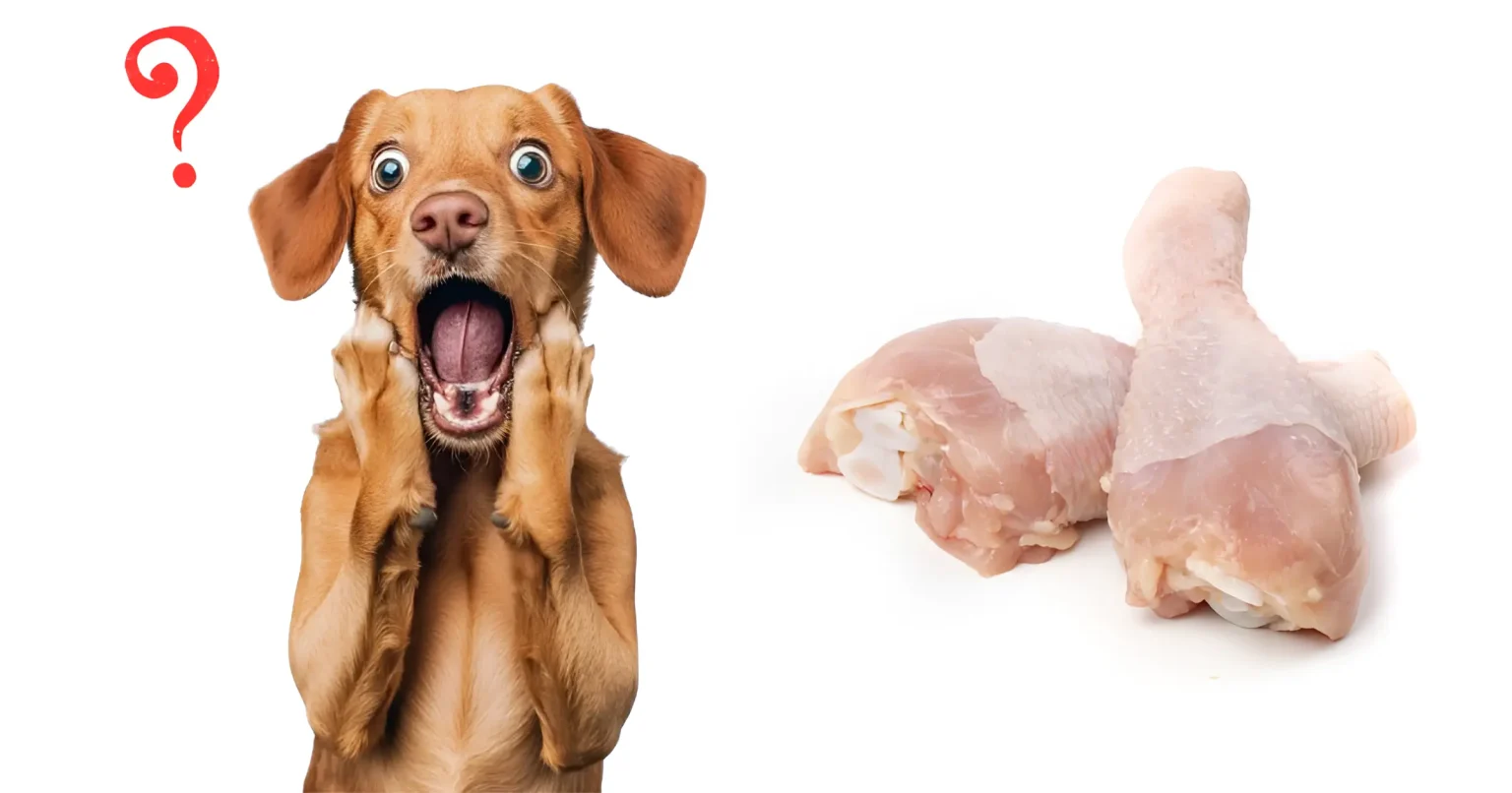
Chicken is one of the most common ingredients in commercial dog food, and many pet owners love sharing freshly cooked meals with their dogs at home. Among the various cuts, chicken thighs are especially popular because they are flavorful, moist, and rich in nutrients. But a common question still worries many dog owners: can dogs eat chicken thighs?
The short answer is that dogs can eat chicken thighs, but several factors determine whether they are safe, healthy, or potentially dangerous. The way the chicken is prepared, whether the bones are included, and how much you feed all affect your dog’s well-being. Understanding these details helps you make informed decisions and protect your pet from unnecessary risks.
This guide explains everything you need to know about feeding chicken thighs to your dog — including benefits, dangers, cooking methods, portion sizes, and signs of trouble to watch for.
Are Chicken Thighs Safe for Dogs?
Chicken thighs can be safe and nutritious for dogs when prepared properly. They offer protein, healthy fats, and essential vitamins that support muscle development and overall health. However, not every form of chicken thigh is suitable.
Raw, unseasoned, boneless, or properly cooked thighs are generally safe. Problems arise when chicken thighs contain cooked bones, excessive fat, spicy seasonings, or harmful additives. Feeding blindly without considering these factors can lead to choking, digestive upset, or long-term health issues.
The key is understanding which types of chicken thighs are safe and which should be avoided completely.
Nutritional Benefits of Chicken Thighs for Dogs
Chicken thighs contain valuable nutrients that complement a dog’s diet.
Chicken thighs provide:
- High-quality protein that helps build muscles, repair tissues, and support immune function.
- Healthy fats that supply energy and aid nutrient absorption.
- Iron and zinc, which contribute to good blood health and immune strength.
- B-vitamins, especially niacin, which supports metabolism and skin health.
Because chicken thighs contain more fat than chicken breast, they offer a richer flavor that many dogs love. This higher fat content can be beneficial for highly active dogs or underweight dogs needing extra calories. However, for overweight or sedentary dogs, moderation becomes crucial.
Raw vs. Cooked Chicken Thighs: Which Is Better for Dogs?
Many dog owners wonder whether raw chicken thighs are better than cooked ones. The truth is that each has advantages and risks, and the best choice depends on your dog’s overall health and your comfort level.
Raw Chicken Thighs
Raw chicken thighs are common in many homemade and raw diets. They retain natural enzymes and nutrients that cooking can reduce.
Advantages:
Raw thighs contain soft, pliable bones that are less likely to splinter. Some dogs digest raw bones easily, and raw feeders believe this helps with dental health.
Risks:
Raw chicken can contain harmful bacteria such as salmonella. While many dogs tolerate raw meat better than humans, dogs with weak immune systems, young puppies, and senior dogs may be at risk. Handling raw chicken also requires strict hygiene to prevent contamination of household surfaces.
Cooked Chicken Thighs
Cooked chicken thighs eliminate the risk of bacterial infection, but the way they’re cooked makes a huge difference.
Advantages:
Properly cooked, unseasoned chicken thighs are easy to digest and safe for most dogs.
Risks:
If the chicken thighs contain cooked bones, they become extremely dangerous. Cooked bones splinter easily and can puncture the throat, stomach, or intestines.
Seasoned, spicy, or fried chicken thighs are also unsafe because humans often use ingredients harmful to dogs such as onion powder, garlic, chili, and excess salt.
In general, cooked, unseasoned, boneless chicken thighs are the safest option for dogs.
Can Dogs Eat Chicken Thigh Bones?
This is one area where dog owners must be cautious. Chicken thigh bones can be either safe or dangerous depending on whether they’re raw or cooked.
Raw Bones
Raw chicken thigh bones are comparatively soft. Many raw feeders offer them because they break down easily and provide calcium. However, even raw bones can cause choking if swallowed too quickly or if the dog is an aggressive eater.
Cooked Bones
Cooked bones should never be fed to dogs. They become brittle and can splinter into sharp fragments. These fragments can lodge in the throat, causing choking, or puncture internal organs, causing life-threatening injuries.
If you want to provide chicken thighs, the best practice is to remove the bones completely or feed raw bones only under close supervision and with full understanding of your dog’s chewing habits.
Is the Fat in Chicken Thighs Good or Bad for Dogs?
Chicken thighs contain more fat than chicken breast. Fat is crucial for energy, but too much fat can cause health problems in certain dogs.
Good for:
- Highly active dogs
- Underweight dogs
- Dogs needing extra calories
Risky for:
- Overweight dogs
- Dogs with pancreatitis
- Senior dogs with slow metabolism
Large portions of fatty meat can trigger digestive issues or pancreatitis, a painful condition that requires immediate veterinary attention. Moderation is key, especially if your dog is prone to stomach sensitivity.
How to Prepare Chicken Thighs Safely for Dogs
Your dog’s health depends on how you prepare the food. Proper preparation makes chicken thighs a nourishing treat rather than a risk.
Best Cooking Methods
- Boiling: Simple, clean, and retains moisture.
- Baking: Easy and full of flavor without requiring oil.
- Steaming: Gentle cooking that preserves nutrients.
Avoid
- Frying (too oily)
- Seasoned cooking (garlic, onion, spices are harmful)
- Pre-marinated store-bought thighs
- Barbecue or grilled thighs coated in sauces
Remove the skin if your dog is overweight or sensitive to fat. If your dog tolerates fat well, you can keep a bit of skin for flavor, but avoid giving too much.
How Much Chicken Thigh Should You Feed Your Dog?
Portion size depends on your dog’s weight, activity level, and existing diet. Chicken thighs should not replace a balanced dog diet but can be included as a protein supplement or occasional treat.
A moderate guideline is:
- Small dogs: ¼ to ½ boneless chicken thigh
- Medium dogs: ½ to 1 chicken thigh
- Large dogs: 1 to 2 chicken thighs
These are approximate guidelines. Dogs on a balanced homemade diet may consume more, while dogs on commercial kibble might only need small portions to avoid excessive calories.
Introduce chicken thighs gradually to avoid digestive upset. Sudden changes can lead to diarrhea or vomiting.
Can Puppies Eat Chicken Thighs?
Puppies can eat chicken thighs, but they require extra care. Since puppies have developing digestive systems, the chicken should always be thoroughly cooked and boneless. Avoid raw bones because puppies tend to gulp food without chewing properly.
Chicken thighs can contribute to healthy growth, but portion sizes must be small and controlled. Always monitor for allergies or digestive reactions.
Possible Side Effects After Eating Chicken Thighs
Most dogs handle chicken well, but no food is perfect for every dog. After feeding chicken thighs, observe your dog for:
- Vomiting
- Diarrhea
- Gas or bloating
- Itching or skin redness
- Fatigue or loss of appetite
Dogs with poultry allergies may react even to clean, unseasoned chicken. If you notice repeated reactions, consult a veterinarian and avoid chicken-based treats.
Can Dogs Eat Seasoned or Spicy Chicken Thighs?
Dogs should never eat seasoned, spicy, or marinated chicken thighs. Many seasonings used in human cooking contain ingredients toxic to dogs.
Some harmful additives include:
- Onion powder
- Garlic powder
- Chili powder
- Salt-heavy marinades
- Vinegar-heavy sauces
- Pre-packaged spice mixes
Even small quantities of these seasonings can irritate a dog’s stomach or cause serious health problems such as red blood cell damage.
Stick to plain, unseasoned chicken thighs for maximum safety.
Are Frozen Chicken Thighs Safe for Dogs?
Frozen chicken thighs are safe after proper thawing and cooking. Never feed them frozen, as they can damage teeth or create choking hazards. Thawing also ensures even cooking and reduces the risk of bacteria remaining inside.
When Are Chicken Thighs Unsafe for Dogs?
Chicken thighs become unsafe under the following conditions:
- Contain cooked bones
- Covered in spices or seasonings
- Fried in oil
- Spoiled or undercooked
- Fed in excessive amounts
- Given to dogs with chicken allergies
- Offered to dogs with pancreatitis
Always assess your dog’s medical history, age, and dietary needs before introducing new foods.
Final Thoughts
Chicken thighs can be an excellent addition to your dog’s diet when prepared correctly. They are flavorful, rich in nutrients, and loved by many dogs. The key is offering them plain, cooked, and boneless, or raw under strict supervision if you are confident in raw feeding.
Understanding portion control, preparation methods, and safety precautions ensures that chicken thighs provide health benefits instead of risks. Your dog’s long-term health depends on consistent, informed decisions about their diet, and chicken thighs can be a safe part of that routine when handled properly.
FAQs About Dogs Eating Chicken Thighs
1. Can dogs eat chicken thighs every day?
They can, but only if part of a balanced diet. Daily feeding should be portion-controlled and paired with other nutrients to prevent nutrient imbalance.
2. Can dogs eat cooked chicken thigh bones?
No. Cooked bones are dangerous because they splinter easily and can injure your dog internally.
3. Are raw chicken thighs safe for dogs?
Raw thighs can be safe for some dogs, but bacterial risks exist. Only experienced raw feeders should offer raw bones, and supervision is important.
4. Should the skin be removed before feeding?
If your dog is overweight or has a sensitive stomach, remove the skin. Dogs with high energy needs may handle some fat well.
5. Can puppies eat chicken thighs?
Yes, but only cooked and boneless. Puppies should not eat raw bones due to choking risks.
6. What if my dog gets diarrhea after eating chicken thighs?
Stop feeding chicken for a few days, offer bland meals, and monitor. If symptoms continue, consult a veterinarian.
For More Visits: AnimalsInfo
Also Read: Can Dogs Have Fig Newtons 2025: Helpful & Powerful Guide