

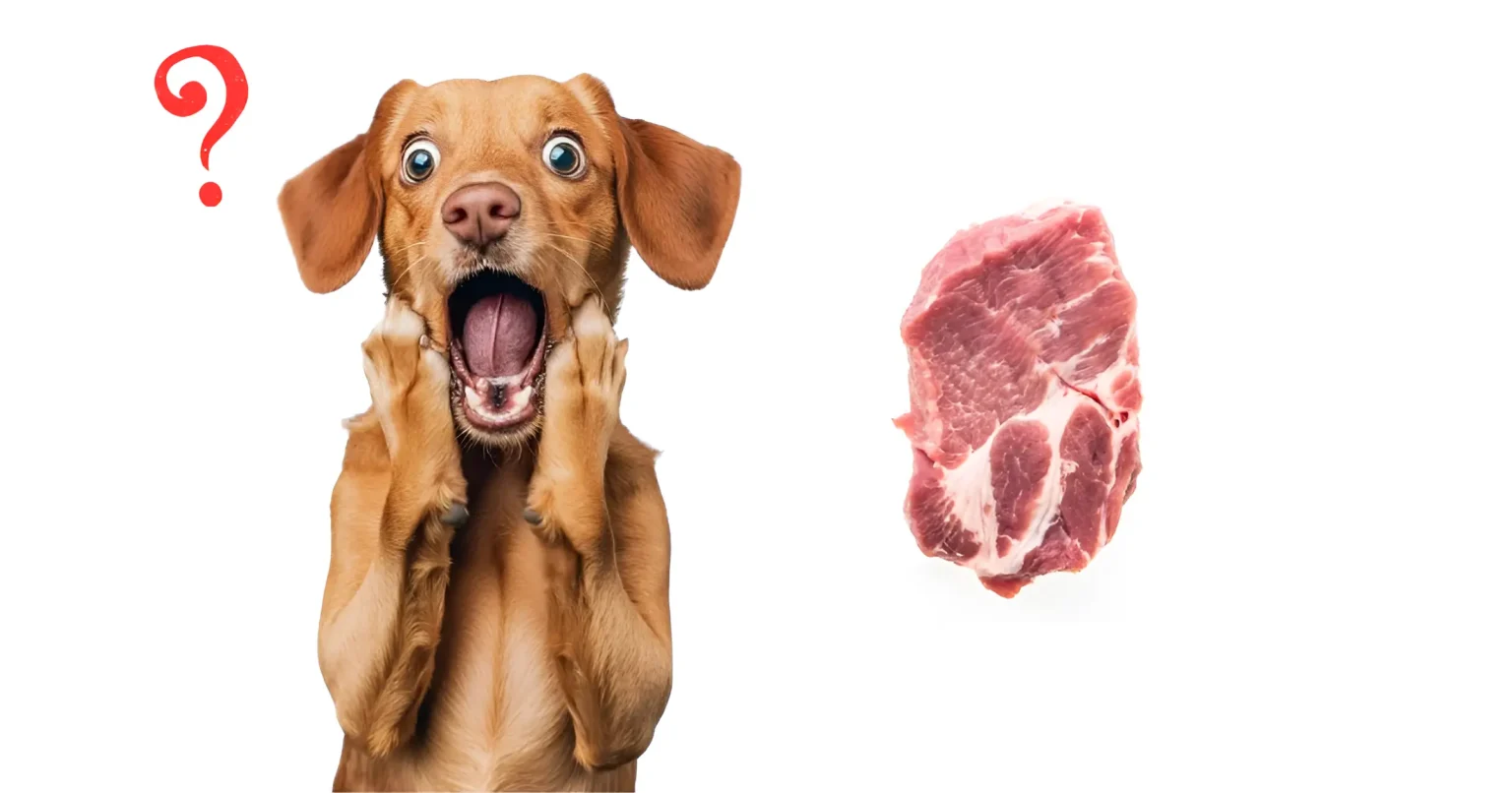
Feeding dogs human foods often raises questions about safety and nutrition. Meat is a staple in most dog diets, but certain types of meat may require extra consideration. Veal, the meat of young calves, is one such example. While it is tender, flavorful, and commonly used in gourmet dishes, dog owners often ask: can dogs eat veal safely? This article explores the benefits, risks, preparation methods, and precautions for feeding veal to dogs.
What Is Veal?
Veal is the meat from young calves, usually between 16 to 18 weeks old. It is prized for its pale color, tender texture, and mild flavor. Veal differs from beef in terms of age, texture, and fat content, making it leaner and softer than regular beef.
For dogs, veal can be a source of protein, but understanding its composition and how it fits into a dog’s diet is essential.
Nutritional Profile of Veal
Veal is a nutrient-dense meat, offering high-quality protein and essential nutrients. A 100-gram serving of cooked veal typically contains:
- Calories: 172 kcal
- Protein: 24 grams
- Fat: 8 grams
- Iron: 10% of daily requirement
- Zinc: 8% of daily requirement
- Vitamin B12: 35% of daily requirement
- Phosphorus: 15% of daily requirement
This makes veal a good source of lean protein, essential vitamins, and minerals for dogs. However, preparation and portion control are critical.
Can Dogs Eat Veal Safely?
Yes, dogs can eat veal if served properly. Veal is non-toxic and provides high-quality protein. However, there are precautions to consider:
- Cook Thoroughly: Raw veal carries the risk of bacterial contamination such as Salmonella or E. coli. Always cook veal completely before feeding it to your dog.
- Avoid Seasonings: Onions, garlic, salt, and spices commonly used in veal dishes are toxic to dogs. Serve plain veal without added ingredients.
- Moderation: While nutritious, veal should be part of a balanced diet, not the sole food source. Excess protein or fat can cause digestive upset.
- Trim Fat: Remove visible fat to avoid pancreatitis or digestive discomfort, especially in dogs prone to obesity or sensitive stomachs.
By following these guidelines, veal can be a safe and nutritious addition to your dog’s diet.
Benefits of Feeding Veal to Dogs
Veal can provide several benefits when fed appropriately:
1. High-Quality Protein
Veal is an excellent source of protein, essential for muscle growth, repair, and overall health. Protein also helps maintain healthy skin and coat in dogs.
2. Rich in Essential Vitamins and Minerals
Veal contains iron, zinc, and vitamin B12, which support blood health, immune function, and energy metabolism.
3. Lean and Tender Meat
Compared to adult beef, veal is leaner and softer, making it easier for dogs to chew and digest, particularly puppies or senior dogs.
4. Supports Energy Levels
High-quality protein from veal provides sustained energy for active dogs, helping maintain stamina and vitality.
5. Digestibility
Veal’s tender texture and moderate fat content make it easier for dogs to digest, reducing the likelihood of stomach upset compared to fattier cuts of meat.
Risks and Precautions
Despite its benefits, veal comes with certain risks if not served properly:
- Foodborne Illness: Raw or undercooked veal can contain harmful bacteria. Always cook thoroughly.
- Toxic Seasonings: Ingredients like garlic, onions, and certain spices can be harmful or toxic to dogs.
- Digestive Upset: Overfeeding veal or introducing it suddenly can cause diarrhea or vomiting.
- Pancreatitis Risk: Fatty cuts of veal can trigger pancreatitis in sensitive dogs. Trim fat carefully.
- Allergic Reactions: Though rare, some dogs may have sensitivities to certain proteins, including veal. Monitor your dog for itching, vomiting, or unusual behavior.
How to Prepare Veal for Dogs
Proper preparation ensures safety and maximizes nutritional benefits:
- Choose Lean Cuts: Select tenderloin, round, or other lean cuts of veal.
- Cook Plain: Boil, bake, or grill veal without seasonings or oils.
- Cut into Small Pieces: Small, bite-sized pieces reduce the risk of choking.
- Moderate Portions: Introduce veal gradually and in small amounts to prevent digestive issues.
- Mix With Dog Food: Combine cooked veal with your dog’s regular food for balanced nutrition.
Feeding Veal to Puppies
Puppies can benefit from the high-quality protein in veal, but careful preparation is crucial. Serve in small, tender pieces and gradually introduce it to their diet to avoid stomach upset. Puppies have developing digestive systems, so moderation is key.
Feeding Veal to Senior Dogs
Senior dogs with dental issues or digestive sensitivities may benefit from tender veal, as it is easier to chew and digest. Ensure portions are small and monitor for any signs of digestive discomfort.
FAQs About Dogs and Veal
1. Can dogs eat raw veal?
No, raw veal may contain harmful bacteria. Always cook veal thoroughly before serving.
2. How often can dogs eat veal?
Veal should be an occasional addition to meals, not a daily staple. Once or twice a week in small portions is ideal.
3. Can veal cause allergies in dogs?
Some dogs may be allergic to certain proteins, including veal. Watch for vomiting, diarrhea, or itching when introducing it.
4. Can puppies eat veal?
Yes, puppies can eat small, tender, cooked pieces of veal as part of a balanced diet.
5. Is veal better than beef for dogs?
Veal is leaner and more tender, making it easier to digest, especially for puppies or senior dogs. However, both are good protein sources when served properly.
6. Can dogs eat veal bones?
No, cooked bones can splinter and cause choking or internal injury. Avoid giving veal bones to dogs.
Alternatives to Veal
If veal is not available or suitable, consider these protein-rich alternatives:
- Chicken: Lean, widely available, and easy to digest.
- Turkey: High in protein and low in fat.
- Lean Beef: Nutritious and high-quality protein source.
- Lamb: Suitable for dogs with sensitivities to other meats.
These alternatives provide similar nutritional benefits without the higher cost or ethical concerns sometimes associated with veal.
Conclusion
Veal can be a safe, nutritious, and tasty addition to your dog’s diet when served correctly. Its high-quality protein, essential vitamins, and tender texture make it suitable for puppies, adults, and senior dogs alike. However, caution is essential: avoid raw veal, seasonings, excessive fat, and large portions.
Dog owners should treat veal as an occasional supplement rather than a primary food source, ensuring a balanced diet with all essential nutrients. By following these guidelines, you can safely offer veal as a protein-rich treat, supporting your dog’s health, energy, and overall well-being.
Veal, when prepared with care, can be a delicious and beneficial treat for your canine companion in moderation.
For More Visits: Animalsinfo