

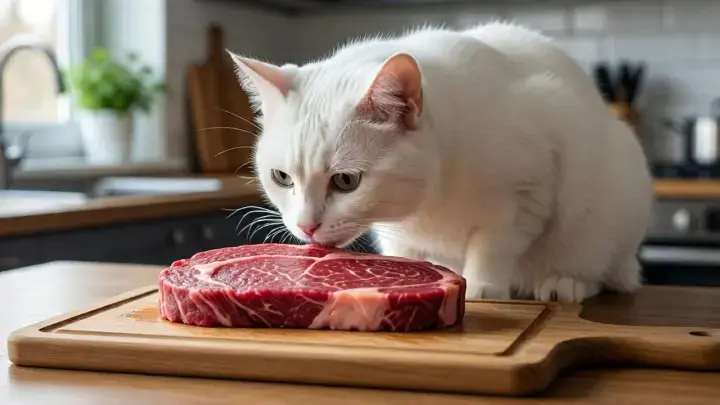
Cats are natural hunters, and their bodies are built to thrive on meat. Because of this, many cat owners wonder whether raw meat is safe for their pets. One common question people ask is: can cats eat raw steak?
The idea may seem logical. In the wild, cats hunt and eat raw prey, so feeding raw meat like steak might appear natural. However, domestic cats live very different lives compared to their wild relatives. Their health, diet, and environment have changed significantly through domestication.
While raw steak contains nutrients that cats need, feeding it to them is not as simple as it may seem. There are both benefits and potential risks involved. Understanding these factors will help you make informed decisions about your cat’s diet.
This guide explains everything cat owners need to know about raw steak, including safety concerns, nutritional value, preparation methods, and healthier alternatives.
Understanding a Cat’s Natural Diet
Cats are obligate carnivores, which means their bodies rely primarily on nutrients found in animal-based foods. Protein plays a critical role in their health, supporting muscle development, organ function, and overall energy levels.
In the wild, cats hunt animals such as rodents, birds, and insects. These prey provide a balanced mix of protein, fat, and essential nutrients like taurine. Unlike humans or dogs, cats do not rely heavily on plant-based foods to meet their dietary needs.
Because meat is the foundation of a cat’s diet, it is natural for pet owners to think that raw meat would be the most appropriate option. However, wild prey differs significantly from store-bought steak. Wild animals contain organs, bones, and connective tissue that together create a more balanced nutritional profile.
A single cut of raw steak does not provide the same balance, which is one reason why feeding raw meat requires careful consideration.
What Is Raw Steak?
Raw steak refers to uncooked cuts of beef taken from various parts of a cow. These cuts are commonly used in human meals and are usually cooked before consumption.
Beef steak contains high levels of protein, iron, zinc, and certain B vitamins. These nutrients are important for maintaining healthy muscles and supporting the body’s natural functions.
For cats, the protein content of beef can be beneficial. However, when served raw, steak may also carry bacteria that could pose health risks to both pets and humans.
Understanding the difference between nutritional benefits and food safety risks is essential when deciding whether to feed raw steak to your cat.
Is Raw Steak Safe for Cats?
The answer to whether cats can eat raw steak is not completely straightforward. Cats can technically eat raw beef, but it does not automatically mean it is the safest option.
Many veterinarians express concerns about raw meat because of the potential presence of harmful bacteria such as Salmonella or E. coli. These bacteria can affect both animals and humans.
Even if a cat’s digestive system is more resistant to certain pathogens than a human’s, infection is still possible. A cat that consumes contaminated meat may experience vomiting, diarrhea, or other digestive issues.
There is also a risk for people in the household. Handling raw meat or cleaning a litter box after a cat consumes contaminated food may expose humans to bacteria.
Because of these concerns, many experts recommend cooking meat before offering it to pets.
Nutritional Value of Raw Steak for Cats
Raw steak contains nutrients that are important for feline health. Protein is the most obvious benefit, as cats rely on high levels of protein to maintain muscle mass and energy.
Beef also contains amino acids that help support organ function and immune health. Iron found in beef helps carry oxygen through the bloodstream, while zinc plays a role in maintaining healthy skin and coat.
Despite these advantages, a piece of raw steak alone does not provide complete nutrition for cats. Balanced cat food includes a precise combination of nutrients that ensure a cat receives everything needed for long-term health.
Feeding raw steak frequently without proper balance may lead to nutritional deficiencies over time.
Potential Risks of Feeding Raw Steak
Although raw steak offers protein, there are several important risks that cat owners should understand before offering it to their pets.
One major concern is bacterial contamination. Raw meat can carry pathogens that survive until the meat is cooked. These microorganisms may cause illness in cats and pose a health risk to humans who handle the food.
Another issue involves parasites. Some raw meats may contain parasites that can infect animals when consumed.
There is also the possibility of choking if the steak contains tough connective tissue or is given in large chunks. Cats may attempt to swallow pieces that are too large for safe digestion.
In addition, feeding only muscle meat like steak does not provide a complete diet. Cats require certain nutrients found in organs and bones, which are not present in standard cuts of steak.
Raw Diets and Cats
Some pet owners choose to feed their cats a raw diet because they believe it mimics the natural diet of wild cats. These diets usually include a carefully planned mixture of raw meat, organs, and sometimes bone content.
When prepared correctly, raw diets can provide balanced nutrition. However, they require careful planning and strict hygiene practices to reduce the risk of contamination.
Simply offering raw steak from the grocery store does not meet the standards of a properly designed raw diet.
Anyone considering a raw feeding approach should research the process thoroughly and seek professional guidance to ensure the diet remains safe and nutritionally balanced.
Raw Steak vs Cooked Steak
When deciding between raw and cooked steak for cats, cooking generally provides a safer option. Cooking meat helps eliminate many harmful bacteria that could cause illness.
Plain cooked steak can still deliver the protein cats need without the same level of contamination risk.
However, the steak must be prepared correctly. Seasonings such as garlic, onion, and excessive salt should never be added because they are harmful to cats.
Simple cooking methods like boiling or grilling without seasoning are the safest choices.
How to Safely Offer Steak to Cats
If you decide to share steak with your cat, preparation and portion size are important.
The meat should be cut into small pieces that are easy for your cat to chew and swallow. Large chunks should always be avoided.
The steak should also be plain. Oils, sauces, spices, and marinades used in human cooking can be dangerous for pets.
Introduce the food gradually and observe your cat afterward. If your cat shows signs of digestive discomfort, it is best to avoid feeding steak again.
How Much Steak Can Cats Eat?
Steak should be considered a treat rather than a primary meal. Even when cooked, it should only make up a small portion of a cat’s diet.
Most of a cat’s nutrition should come from balanced commercial cat food designed to meet feline dietary requirements.
Occasional small bites of plain cooked steak may be acceptable, but feeding large amounts regularly may disrupt the balance of nutrients in your cat’s diet.
Maintaining moderation helps ensure that treats do not interfere with your cat’s overall health.
Signs of Food-Related Illness in Cats
If a cat consumes contaminated raw meat, symptoms may appear within a short period of time.
Signs of illness may include vomiting, diarrhea, lack of appetite, and lethargy. Some cats may also show signs of dehydration or abdominal discomfort.
If these symptoms appear after eating raw steak, veterinary attention may be necessary.
Early treatment can help prevent complications and ensure your cat recovers quickly.
Healthier Meat Treats for Cats
Although steak can be given occasionally, there are other meat options that may be easier to prepare and safer for cats.
Cooked chicken is often a popular choice because it is lean and easy to digest. Turkey is another protein that cats usually enjoy.
Small portions of cooked fish can also be offered from time to time, as long as bones are removed and no seasoning is used.
Commercial cat treats that contain real meat can also provide a convenient alternative while maintaining proper nutritional balance.
Final Thoughts
So, can cats eat raw steak? While cats are natural meat eaters and may technically consume raw beef, feeding raw steak comes with potential risks.
Bacterial contamination, parasites, and nutritional imbalance are important concerns to consider. Because of these risks, raw steak is not generally recommended as a regular part of a cat’s diet.
If you want to offer steak to your cat, cooking it first and serving it plain in small portions is a safer option.
The foundation of a healthy feline diet should always be high-quality cat food designed to meet their nutritional needs. Occasional treats can add variety, but they should never replace balanced nutrition.
By making thoughtful choices about what your cat eats, you can help ensure a long, healthy, and happy life for your pet.
Frequently Asked Questions (FAQs)
Can cats eat raw steak occasionally?
Cats can technically eat small amounts of raw steak, but it is not always safe due to the risk of bacteria or parasites.
Is raw beef better for cats than cooked beef?
Cooked beef is generally safer because the cooking process helps eliminate harmful bacteria that may be present in raw meat.
What happens if my cat eats raw steak?
In many cases nothing serious happens, but some cats may develop digestive upset or bacterial infections depending on the quality of the meat.
Can kittens eat raw steak?
Kittens should avoid raw steak because their immune systems are still developing, making them more vulnerable to infections.
Is steak good for cats?
Plain steak contains protein that cats need, but it should only be offered occasionally and not as a main food source.
Can cats eat seasoned steak?
No. Seasonings such as garlic, onion, and heavy salt can be harmful to cats and should always be avoided.
What meat is safest for cats?
Plain cooked meats such as chicken, turkey, and small portions of fish are often considered safe treats for cats when served without seasoning.
For More Visits: Animalsinfo
Also Read: Can Cats Eat String Cheese? 7 Amazing Safe Facts (2026)