

Can Dogs Eat Veggie Straws? As pet owners, we often want to share snacks with our furry companions. Veggie straws—a popular crunchy snack made from potato starch, corn, and vegetable powders—may seem like a harmless treat. But before giving them to your dog, it’s important to understand the ingredients, nutritional value, and potential risks. While humans enjoy veggie straws as a low-calorie alternative to chips, dogs have very different dietary requirements, and not all human snacks are safe for them.
Understanding a Dog’s Diet – Can Dogs Eat Veggie Straws?
Dogs are omnivores, which means they can eat both plant and animal-based foods. However, they require a balanced diet to maintain their health. Key dietary needs include:
- Protein: Essential for muscle development, tissue repair, and overall growth.
- Fats: Provide energy, support healthy skin and coat, and aid in vitamin absorption.
- Carbohydrates: Provide energy, but should be limited and balanced.
- Vitamins and Minerals: Critical for proper organ function, immunity, and overall health.
While dogs can eat some human foods, not all snacks are suitable due to ingredients that may cause digestive upset, toxicity, or long-term health issues.
What Are Veggie Straws?
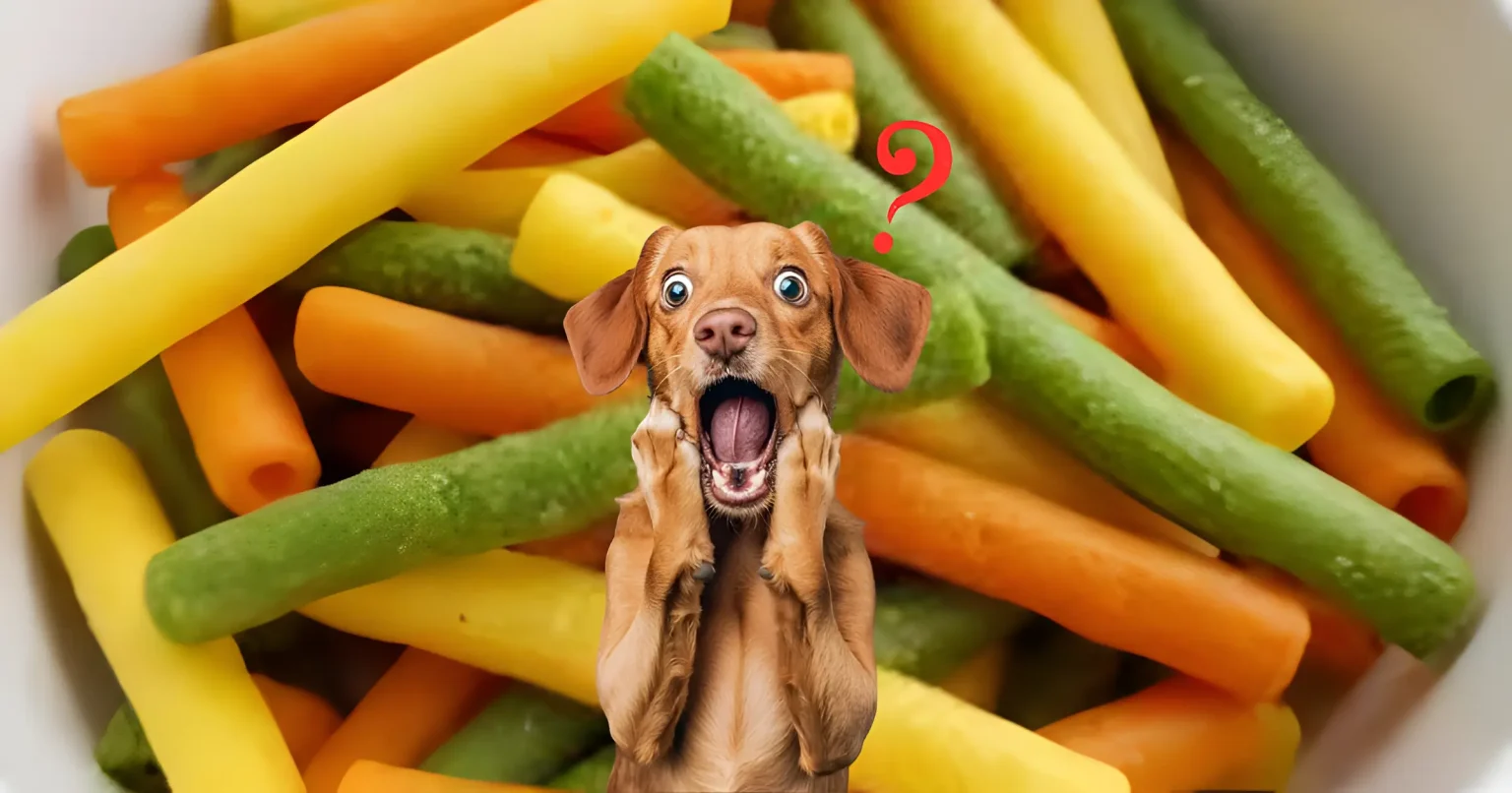
Veggie straws are puffed, crunchy snacks made from a combination of vegetable powders, starches, and oils. The primary ingredients typically include:
- Potato Starch or Potato Flour: Forms the base of the straws.
- Corn Starch or Corn Flour: Adds texture and crunch.
- Vegetable Powders: Such as spinach, tomato, beet, or carrot for color and flavor.
- Vegetable Oil: Used for cooking and crispiness.
- Salt and Seasonings: Added for taste.
Veggie straws are marketed as healthier alternatives to traditional chips, but they are still processed and contain ingredients that may not be ideal for dogs.
Are Veggie Straws Safe for Dogs?
Feeding veggie straws to dogs is not recommended for several reasons:
1. High Sodium Content
Veggie straws often contain added salt, which is unnecessary and potentially harmful for dogs. Excess sodium can lead to:
- Dehydration
- Increased thirst and urination
- Kidney strain
- In severe cases, sodium toxicity
2. Processed Ingredients
The starches, oils, and flavorings in veggie straws are highly processed. Dogs do not require processed foods, and frequent consumption can contribute to weight gain, obesity, and digestive issues.
3. Fat Content
Some veggie straws are fried or baked with oils, which increases fat content. High-fat snacks can cause digestive upset and, in sensitive dogs, pancreatitis—a serious inflammation of the pancreas.
4. Artificial Additives
Certain veggie straws contain artificial colors, preservatives, or flavor enhancers, which are unnecessary and potentially harmful for dogs. Dogs’ bodies are not adapted to process these additives efficiently.
5. Choking Hazard
Veggie straws are small and crunchy, and although dogs can usually chew them, there is a risk of choking, particularly in smaller breeds or older dogs with dental issues.
Occasional vs. Regular Feeding
While a single veggie straw is unlikely to cause serious harm to a healthy dog, it should never be a regular part of their diet. Occasional human snacks can be given safely if they are free of toxic ingredients, low in salt, and offered in moderation.
If you want to give your dog a snack, it’s better to opt for options specifically formulated for dogs, such as:
- Small pieces of cooked, unseasoned meat
- Dog-safe fruits and vegetables like carrots, blueberries, or green beans
- Commercial dog treats made with natural ingredients
Healthier Alternatives to Veggie Straws
To satisfy your dog’s desire for a crunchy treat without the risks associated with processed human snacks, consider these alternatives:
1. Homemade Veggie Chips
Thinly sliced carrots, sweet potatoes, or zucchini can be baked until crispy. Avoid adding salt, oils, or seasonings.
2. Dog Biscuits
Vet-approved, healthy dog biscuits are formulated to meet nutritional needs and come in a variety of flavors dogs enjoy.
3. Frozen Vegetables
Frozen peas, green beans, or small carrot sticks can be a refreshing, crunchy snack, especially during warm months.
4. Dehydrated Fruits or Vegetables
Dehydrated fruits like apple slices (without seeds) or pumpkin pieces can provide texture and natural sweetness safely.
These alternatives provide crunch, flavor, and satisfaction without the risks associated with processed human snacks like veggie straws.
Potential Risks of Feeding Veggie Straws
Feeding veggie straws regularly or in large quantities may lead to:
- Obesity: Due to high carbohydrate and fat content
- Digestive Issues: Vomiting, diarrhea, or gas
- Pancreatitis: From high-fat content in certain brands
- Sodium Overload: Leading to kidney strain and dehydration
- Long-Term Health Problems: From artificial additives and preservatives
Even if your dog enjoys the taste, it is important to prioritize their overall health over occasional indulgence.
Signs Your Dog May Have a Reaction
If your dog consumes veggie straws, watch for these symptoms:
- Vomiting or diarrhea
- Excessive thirst or urination
- Lethargy or unusual behavior
- Abdominal discomfort
- Choking or gagging
Any persistent or severe symptoms warrant immediate veterinary attention.
Feeding Guidelines for Dogs
To ensure your dog’s safety when offering human snacks:
- Treats should make up no more than 5–10% of daily caloric intake
- Avoid snacks with high salt, fat, or toxic ingredients like garlic, onion, or chocolate
- Monitor your dog after introducing any new food
- Consult your veterinarian for advice on safe snacks and portion sizes
By following these guidelines, you can occasionally indulge your dog safely without compromising their health.
FAQs About Dogs and Veggie Straws
Q1: Can dogs eat veggie straws occasionally?
A: While a single straw may not cause harm, it’s not recommended due to high salt, processed ingredients, and fat.
Q2: Are all veggie straws unsafe for dogs?
A: Most are not ideal, but plain baked vegetable sticks without seasoning or additives are safer.
Q3: Can veggie straws cause digestive issues in dogs?
A: Yes, high fat and processed ingredients can lead to vomiting, diarrhea, or gas.
Q4: What are safe crunchy treats for dogs?
A: Baked vegetables, dog biscuits, frozen vegetables, or dehydrated fruits.
Q5: How can I prevent my dog from eating veggie straws?
A: Keep human snacks out of reach and offer dog-safe alternatives to satisfy cravings.
Conclusion
Veggie straws may appear to be a harmless, low-calorie snack for humans, but they are not suitable for dogs. Their high salt, processed ingredients, fat content, and potential artificial additives make them a risky choice. Even a small quantity should be considered a rare treat rather than a regular snack.
Safe alternatives like baked vegetables, dog biscuits, and fresh or frozen dog-friendly fruits and vegetables provide crunch and flavor without jeopardizing your dog’s health. By prioritizing safe, balanced, and nutritious treats, you can ensure your dog remains happy, healthy, and safe while still enjoying occasional indulgences.
In short, dogs should not eat veggie straws. Opt for dog-approved snacks to maintain their wellbeing and prevent potential health complications.
For More Visits: Animalsinfo
Also Read: Can Dogs Eat Tamales? 7 Safe Tips for 2025