

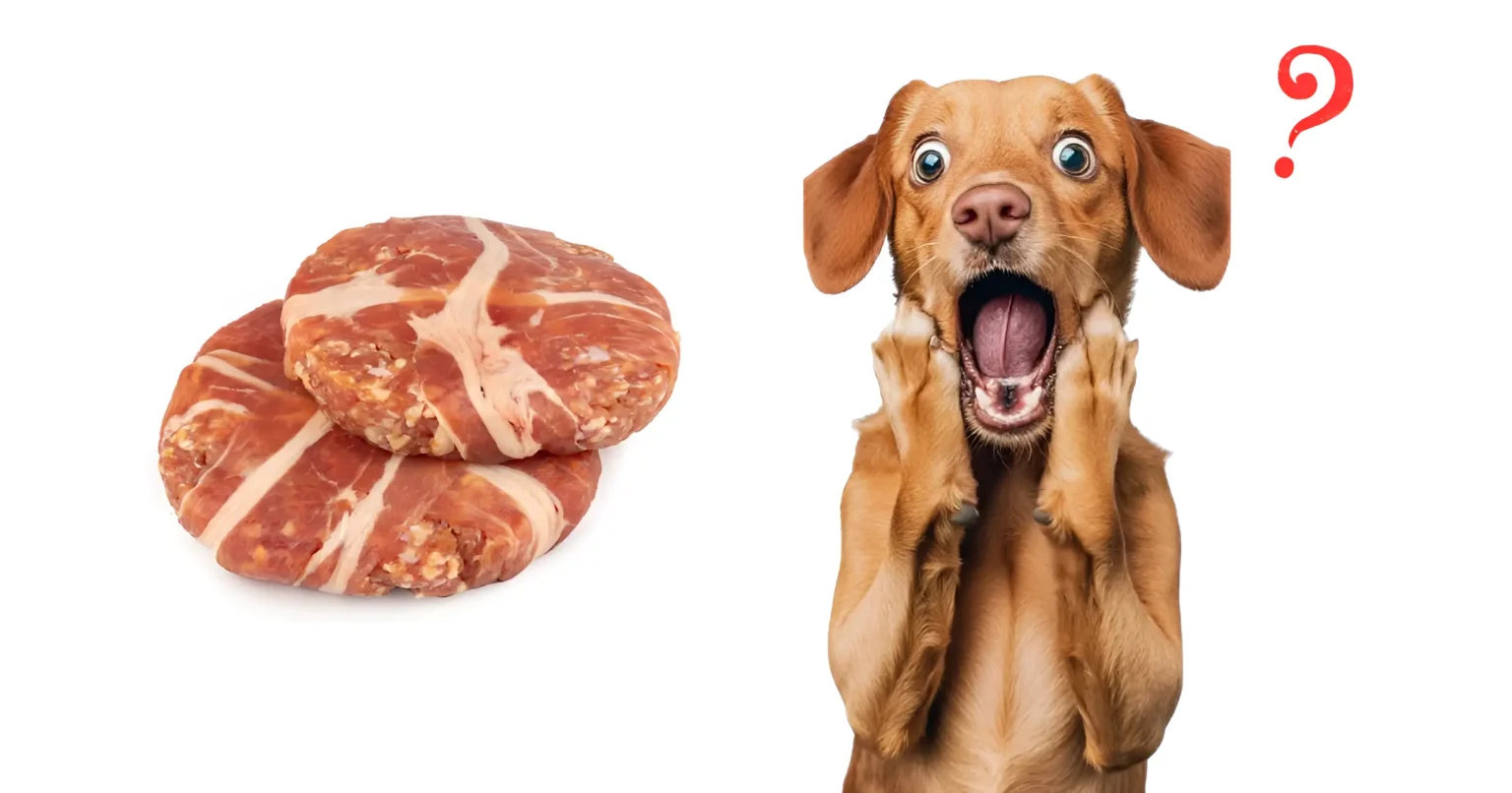
Can Dogs Have Turkey Bacon? Many dog owners love to share meals and snacks with their furry companions, but not all human foods are safe for dogs. Turkey bacon is often seen as a “healthier” alternative to traditional pork bacon due to its lower fat content, but is it safe for dogs to consume? Understanding the nutritional profile, potential risks, and safer alternatives is crucial for keeping your dog healthy.
What is Turkey Bacon? – Can Dogs Have Turkey Bacon?
Turkey bacon is a processed meat product made from turkey meat, often smoked or seasoned to mimic traditional bacon. It is typically lower in fat and calories than pork bacon but still contains preservatives, sodium, and sometimes added sugars or flavorings. The main ingredients in turkey bacon usually include:
- Ground turkey meat: The primary protein source.
- Salt and Sodium Nitrates: Used for flavor and preservation.
- Spices and Flavorings: Sometimes including garlic or onion powder, paprika, and other seasonings.
- Sugar or Sweeteners: Occasionally added to enhance taste.
Although turkey bacon may seem like a lighter alternative to pork bacon, many of these ingredients are unsuitable or potentially harmful to dogs.
Is Turkey Bacon Safe for Dogs?
Feeding turkey bacon to dogs is generally not recommended, though a small, occasional piece may not cause immediate harm. The risks stem from its high sodium content, added preservatives, and potential inclusion of toxic seasonings.
1. High Sodium Content
Turkey bacon is high in sodium, which can be dangerous for dogs. Excess sodium intake can lead to:
- Increased thirst and urination
- Dehydration
- High blood pressure
- Sodium ion poisoning in severe cases
Even a small portion of turkey bacon can contain far more sodium than a dog should consume, especially small or medium breeds.
2. Preservatives and Nitrates
Processed meats like turkey bacon often contain nitrates or nitrites to extend shelf life and maintain color. These chemicals may have adverse effects on dogs when consumed in large or regular amounts.
3. Added Seasonings
Turkey bacon sometimes contains garlic or onion powder for flavor. Both garlic and onions are toxic to dogs, even in small amounts. Toxicity can cause:
- Vomiting and diarrhea
- Damage to red blood cells leading to anemia
- Lethargy and weakness
4. Fat Content
Although turkey bacon is lower in fat than pork bacon, it still contains fats that can trigger digestive issues or, in sensitive dogs, pancreatitis—a serious condition requiring immediate veterinary care.
Occasional Taste vs. Regular Feeding
If a dog accidentally consumes a small piece of plain, cooked turkey bacon, it will likely be okay. However, regular feeding is strongly discouraged due to the cumulative risks associated with sodium, preservatives, and potential toxins. Turkey bacon should never replace nutritionally balanced dog food.
Healthier Alternatives to Turkey Bacon
For pet owners who want to give their dogs a meaty treat without the risks, consider these safer options:
- Cooked Lean Meats: Plain chicken, turkey breast, or beef with no seasoning or salt.
- Dog-Safe Jerky: Commercially available, low-sodium jerky treats designed for dogs.
- Homemade Turkey Treats: Cook ground turkey plain, shape into small bites, and bake for a safe, protein-rich treat.
- Freeze-Dried Meats: High-quality, vet-approved freeze-dried meat treats are crunchy and satisfying.
These alternatives provide flavor and protein without exposing your dog to harmful additives or excessive sodium.
Potential Risks of Feeding Turkey Bacon
Feeding turkey bacon regularly can lead to several health issues in dogs:
1. Sodium Overload
High sodium intake strains the kidneys and cardiovascular system, increasing the risk of dehydration and high blood pressure.
2. Digestive Upset
Fat and preservatives in turkey bacon may cause vomiting, diarrhea, or stomach discomfort.
3. Pancreatitis
Fatty processed meats can trigger pancreatitis, especially in dogs prone to digestive issues. Symptoms include abdominal pain, vomiting, diarrhea, and lethargy.
4. Long-Term Health Problems
Regular consumption of processed meats may contribute to obesity, heart problems, and kidney stress in dogs.
How to Safely Serve Turkey to Dogs
If you wish to share turkey with your dog, follow these guidelines:
- Choose Plain, Cooked Turkey: Avoid processed turkey bacon and use plain turkey breast or thigh meat.
- Remove Skin and Fat: Excess fat can cause digestive issues.
- No Seasonings or Additives: Garlic, onion, salt, and spices must be avoided.
- Serve in Moderation: Treat turkey as an occasional snack rather than a daily food.
- Monitor for Adverse Reactions: Watch for vomiting, diarrhea, or changes in behavior after trying a new food.
By following these steps, you can safely incorporate turkey into your dog’s diet without unnecessary risks.
Signs Your Dog May Have Eaten Unsafe Turkey Bacon
If your dog consumes turkey bacon containing toxic ingredients or high sodium, watch for these symptoms:
- Vomiting or diarrhea
- Excessive thirst or urination
- Lethargy or weakness
- Abdominal pain or bloating
- Pale gums or rapid heart rate (possible anemia from garlic/onion)
If any of these symptoms appear, contact a veterinarian immediately. Early intervention can prevent severe complications.
FAQs About Dogs and Turkey Bacon
Q1: Can dogs eat turkey bacon occasionally?
A: A tiny piece may not cause immediate harm, but it’s not recommended due to high sodium, fat, and potential toxins.
Q2: Can dogs eat plain turkey?
A: Yes, plain cooked turkey breast or thigh meat without seasoning is safe and nutritious.
Q3: Can turkey bacon cause pancreatitis in dogs?
A: Yes, the fat content in processed meats can trigger pancreatitis, especially in susceptible dogs.
Q4: What’s a safe alternative to turkey bacon for dogs?
A: Use plain cooked turkey, commercial dog treats, or homemade baked turkey bites.
Q5: Are small dogs more at risk from turkey bacon?
A: Yes, smaller dogs are more sensitive to sodium, fat, and toxins, so even tiny portions can pose risks.
Conclusion
Turkey bacon may seem like a lower-fat alternative to pork bacon, but it is not suitable for dogs due to high sodium, preservatives, and potential toxins such as garlic or onion powder. Even occasional feeding carries risks, and regular consumption can lead to digestive issues, pancreatitis, and long-term health problems.
Safer options include plain cooked turkey, vet-approved jerky treats, and homemade turkey snacks without additives. These alternatives provide protein, flavor, and enjoyment without jeopardizing your dog’s health.
In summary, dogs should not eat turkey bacon, but plain, unseasoned turkey meat can be a healthy, safe, and occasional treat. Always monitor your dog for any adverse reactions when introducing new foods, and consult a veterinarian if you are unsure about specific dietary choices.
For More Visits: Animalsinfo
Also Read: Can Dogs Have Arugula? 5 Healthy Tips 2025