

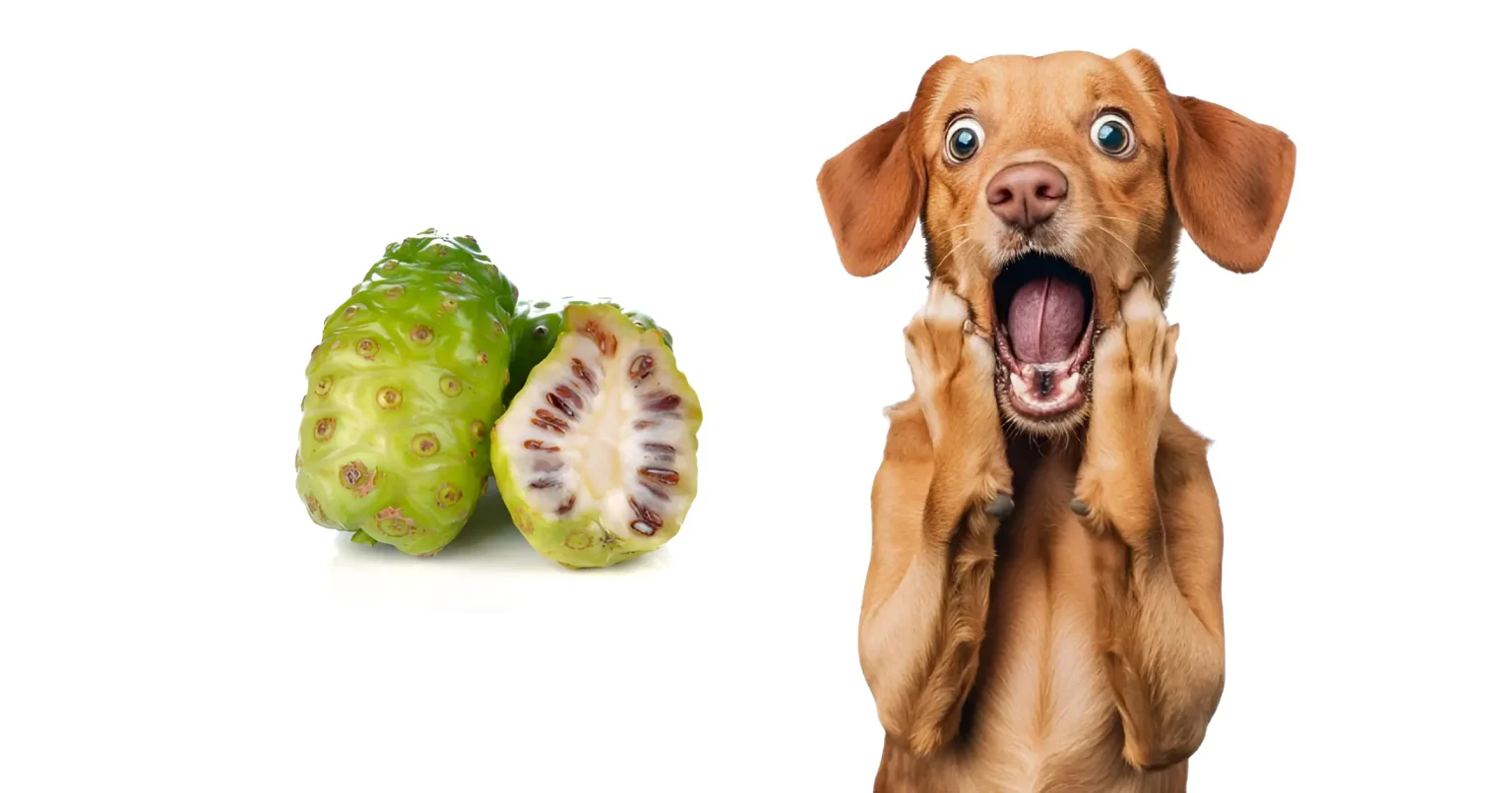
Cherimoya, also known as custard apple in some regions, is a tropical fruit prized for its creamy texture and sweet, fragrant flavor. Its green, scaly exterior and soft, custard-like flesh make it a treat for humans, but it also raises a common question among dog owners: can dogs eat cherimoya?
While cherimoya is delicious for humans, dogs have very different digestive systems and nutritional needs. Some parts of the fruit may be safe, while others can be harmful. Understanding the risks, safe preparation methods, and alternatives is essential for keeping your dog healthy.
What Is Cherimoya?
Cherimoya is a tropical fruit with a soft, creamy interior filled with black seeds and a green, leathery skin. The flesh is sweet and highly aromatic, often eaten fresh or added to desserts. It contains natural sugars, fiber, vitamins, and antioxidants that are beneficial for humans.
Dogs, however, cannot process certain plant compounds and sugars the same way humans do. This is why cherimoya must be given cautiously, if at all.
Can Dogs Eat Cherimoya?
Dogs can eat the soft, ripe flesh of cherimoya in very small amounts, but several conditions must be met. The seeds and skin are dangerous and should never be fed to dogs. Even the flesh should only be offered as an occasional treat, not as part of a regular diet.
Because of the risks involved, cherimoya is not a fruit recommended for routine dog feeding.
Why Cherimoya Can Be Risky for Dogs
Although the flesh of cherimoya is not toxic, there are several reasons why caution is necessary.
Toxic Seeds
The seeds of cherimoya contain compounds that can be toxic to dogs if chewed or crushed. They can also pose a serious choking hazard. Swallowing seeds whole may lead to intestinal blockage, which often requires urgent veterinary intervention.
Thick Skin
The skin of cherimoya is fibrous and not digestible by dogs. Eating the skin can cause stomach irritation, vomiting, or choking. It offers no nutritional benefit and should always be removed before offering the flesh.
High Natural Sugar
Cherimoya is rich in natural sugars. Dogs do not require sugar in their diet, and excessive sugar intake can contribute to obesity, dental issues, and blood sugar spikes. Dogs with diabetes, pancreatitis, or weight problems are particularly at risk.
Digestive Sensitivity
Some dogs have sensitive stomachs. Even seed-free cherimoya flesh can lead to diarrhea, gas, bloating, or mild vomiting, especially if given in large amounts or to dogs not accustomed to fruit.
Unripe Fruit
Unripe cherimoya contains compounds that may upset a dog’s stomach. Always ensure the fruit is fully ripe before feeding it to your dog.
How to Safely Give Cherimoya to Dogs
If you decide to offer cherimoya, preparation is key:
- Use fully ripe fruit – Never give unripe or spoiled cherimoya.
- Remove the seeds – Ensure all seeds are removed to prevent choking or toxicity.
- Peel the skin – Only feed the soft, inner flesh.
- Cut into small pieces – Helps prevent choking, especially in small breeds.
- Feed in moderation – One or two small pieces are sufficient for a medium-sized dog.
Always observe your dog after the first feeding to ensure there are no adverse reactions.
Health Risks of Feeding Cherimoya to Dogs
Feeding cherimoya incorrectly can result in several health issues:
- Short-term effects: Diarrhea, vomiting, stomach discomfort, gas, drooling.
- Long-term effects: Obesity, insulin resistance, and dental problems if sugary fruits are offered regularly.
- Seed ingestion: Can cause choking or intestinal blockage, requiring emergency care.
Dogs with pre-existing medical conditions should avoid cherimoya entirely.
Can Puppies Eat Cherimoya?
Puppies should not eat cherimoya. Their digestive systems are more sensitive, and even small amounts of fruit can cause diarrhea or digestive upset. Puppies should only be fed puppy-specific food and vet-approved treats.
Are There Any Nutritional Benefits for Dogs?
While cherimoya contains vitamins, fiber, and antioxidants for humans, dogs do not need these nutrients from fruit. A balanced, high-quality dog food diet already meets all essential nutritional requirements.
The potential benefits of cherimoya are outweighed by the risks of sugar, seeds, and digestive issues.
Signs Your Dog May React Poorly
After eating cherimoya, watch your dog for:
- Vomiting
- Diarrhea
- Bloating or abdominal discomfort
- Lethargy
- Loss of appetite
If your dog shows severe symptoms or eats seeds or skin, contact a veterinarian immediately.
Dogs With Health Conditions and Cherimoya
Dogs with diabetes, pancreatitis, obesity, or gastrointestinal issues should avoid cherimoya entirely. The high sugar content and potential digestive irritation can exacerbate these conditions.
Always consult a veterinarian before introducing any new fruit to dogs with health concerns.
Is Dried or Processed Cherimoya Safe?
Dried or processed cherimoya is not recommended. Drying increases sugar concentration, and processed products may contain preservatives or additives harmful to dogs. Only fresh, ripe flesh is potentially safe, and even then, in very small amounts.
Safer Fruit Alternatives for Dogs
If you want to give fruit as a treat, safer options include:
- Apples (without seeds)
- Blueberries
- Bananas
- Strawberries
- Watermelon (without seeds or rind)
These fruits provide hydration, fiber, and flavor without the risks associated with cherimoya.
Moderation Is Key
Even safe fruits should only be occasional treats. They should not replace a dog’s main diet and should constitute only a small percentage of daily caloric intake. Overfeeding fruit can cause digestive upset and unhealthy eating habits.
Treats and Training
Using cherimoya as a training reward should be done sparingly. Dogs may develop a preference for sweet human foods and reject regular treats or meals. Small pieces of lean meat or dog-specific treats are usually better for reinforcement.
Final Verdict
So, can dogs eat cherimoya? The answer is yes, but only with extreme caution. Only the soft, ripe flesh is safe, and seeds and skin must never be offered.
Because of the risks—high sugar content, digestive sensitivity, and choking hazards—cherimoya is not an ideal treat for dogs. There are many safer fruits that dogs can enjoy without health concerns.
Proper preparation, moderation, and careful observation are key when feeding cherimoya.
FAQs
Can dogs eat ripe cherimoya?
Yes, only in small amounts and with seeds and skin removed.
Are cherimoya seeds toxic to dogs?
Yes. Seeds are potentially toxic and can cause choking or intestinal blockage.
Can puppies eat cherimoya?
No. Puppies have sensitive digestive systems and should not consume this fruit.
Can dogs eat cherimoya every day?
No. Cherimoya should only be an occasional treat.
What should I do if my dog eats cherimoya seeds or skin?
Contact a veterinarian immediately, as these can cause serious digestive problems or choking.
For More Visits: Animalsinfo
Also Read: Can Dogs Eat Mangosteen Safely? Ultimate Guide 2026